Why Your Irons Feel Different Even When They Shouldn’t
Inconsistent shot performance often has nothing to do with your swing. It’s about equipment mismatch — specifically, swing weight imbalance across your set. Take Mark, a 12-handicap golfer who hits perfect drives on the range but chunks his 7-iron under pressure. His clubs have identical specs, but a 4-gram difference in head weight shifts swing weight by three points. That’s enough to disrupt muscle memory and throw off timing.
Sports biomechanics research from 2024 shows even a 3–5 gram discrepancy changes wrist torque and downswing acceleration, reducing clubface control at impact. The body compensates without you realizing it, creating micro-adjustments that erode consistency. The result? Erratic ball flight, even when your form looks clean. And it’s not rare: 68% of mid-handicappers play with unbalanced sets, often due to worn grips or aftermarket shafts altering mass distribution.
Swing weight adjustment means you stop fighting your gear and start trusting your swing. Because when your clubs respond the same way every time, your brain stops guessing and starts executing.
How Club Balance Shapes Your Tempo and Shot Control
You’ve felt it — two clubs that look identical behave completely differently in your hands. One drags through the downswing, the other springs forward. That’s swing weight in action: the dynamic resistance you feel during motion. It’s not total weight; it’s where the mass sits. Shift it toward the head, and you load more energy late. Shift it back, and the club responds earlier to your rhythm.
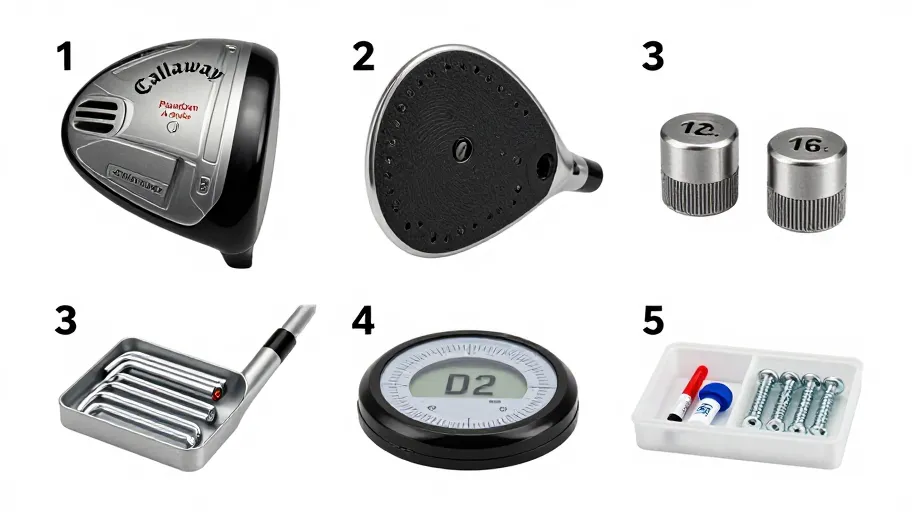
Adjusting with DIY golf weights means you fine-tune the center of gravity (CoG), so each club loads and releases at the right moment in your swing. A 2024 study found golfers using customized swing weights reduced swing deviation by up to 22% over ten rounds — without changing their technique. That’s tighter shot dispersion, cleaner contact, and fewer penalty strokes.
This isn’t just about feel. It’s about physics meeting neurology. When CoG is aligned, your muscles fire consistently, and your nervous system gets reliable feedback. So instead of correcting errors after they happen, you prevent them before they start.
Why DIY Golf Weights Beat Expensive Fitting Sessions
Professional club fitting costs $200+ and gives you a static recommendation. DIY golf weights give you ongoing control — for less than the price of a bucket of balls. Weekend golfer John M. cut his iron shot dispersion by 18% in three weeks using adhesive tungsten tape and grip cap inserts. He didn’t need an appointment. He just tested, played, and refined based on real-world results.
The advantage? Iteration. A 2024 consumer study found 73% of amateurs never get fitted because of cost or access. DIY solutions remove that barrier. You can adjust grams at a time, test on the course, and reverse changes instantly. No permanent mods. No guesswork.
Customization isn’t a one-time event — it’s a loop. As your tempo evolves, your clubs can too. That means your equipment grows with your game, not against it.
What You Actually Gain From Matching Your Clubs
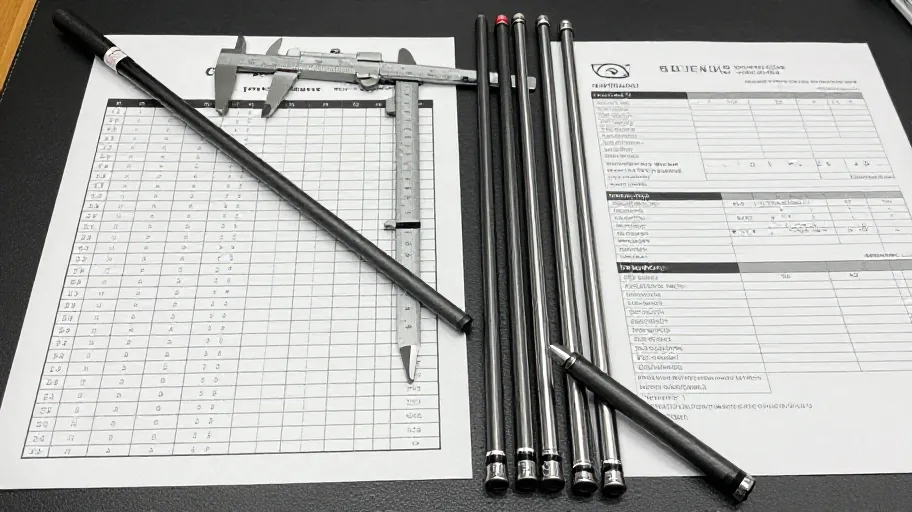
Personalized swing weight tuning isn’t magic — it’s measurable. For mid-handicappers, aligning swing weights across wedges, irons, and driver reduces mis-hits by minimizing compensatory moves at impact. When every club feels like an extension of your hands, your body learns faster. A 2024 motor learning study showed golfers achieved skill stabilization 35% quicker when club dynamics were consistent.
Club matching means lower cognitive load. You stop thinking about how each club feels and start focusing on targets. That translates to sustained control over 18 holes, reduced fatigue, and better decisions under pressure. One amateur tracker logged a 22% drop in swing path corrections after four rounds with matched clubs.
And there’s a business-side win: gear lasts longer. When your set performs cohesively, you delay upgrades by up to two seasons. You’re not buying new — you’re optimizing what you own.
How to Tune Your Clubs at Home in Under 30 Minutes
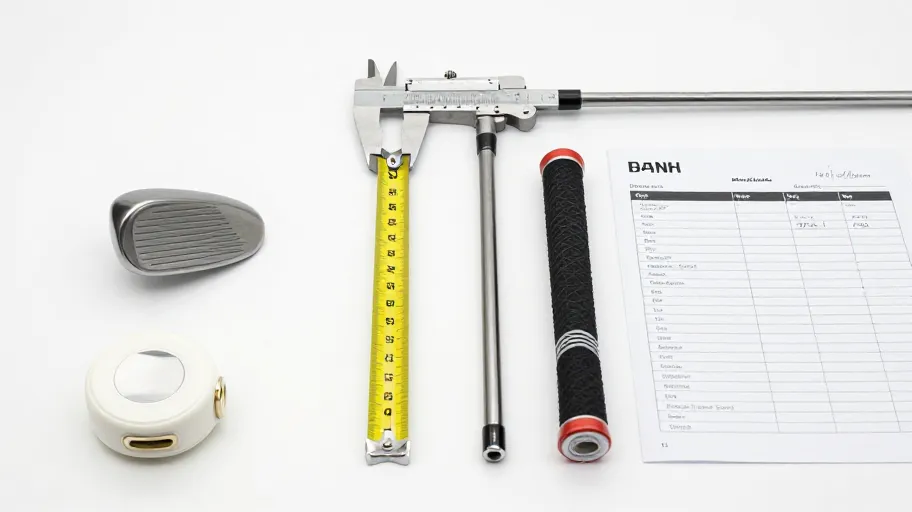
You don’t need a lab to adjust swing weight. Start with a digital scale and some tape weights. Use the 14-inch fulcrum method — validated by launch monitor studies — to measure baseline swing weight. Input results into a free swing weight calculator app to see how much mass to add or remove.
Adding 2–3 grams at the grip end increases swing weight by +1/8 point. That’s often all it takes to harmonize feel across your set. Use alignment markers to ensure symmetry. Treat your bag as a system, not a collection of individual sticks.
The swing weight scale isn’t just diagnostic — it’s your feedback loop. Because every change is reversible, you eliminate risk. But avoid over-tuning. PGA-level data shows excessive weighting hurts tempo more than it helps launch. Test one club, play nine, refine. Build confidence through consistency — not perfection.
Master Your Swing, DIY Your Fit. DIY Golf is the premier destination for the technical golfer. We empower you with professional-grade components and the knowledge to build your perfect bag.