Why most golfers miss the real reason for bad shots
Inconsistent shot patterns rarely come from flawed technique—they stem from mismatched golf club swing weight. A 2024 PGA teaching survey found over 70% of amateur sets have measurable imbalances between clubs. That means when you switch from a 6-iron to a wedge, your body fights an invisible resistance shift, disrupting tempo and strike quality.
Slight differences in head mass, shaft length, or grip density compound over time. These aren’t defects—they’re physics. Without a swing weight scale, you can’t see them. But your swing feels them every time. Measuring swing weight means identifying what’s breaking your rhythm because the balance point controls how the club loads during transition.
The fix isn’t retraining muscle memory—it’s aligning the tools you already own. Once measured, correcting swing weight at home costs pennies in lead tape or plug weights. You're not chasing perfection—you're restoring predictability.
How a swing weight scale exposes hidden flaws
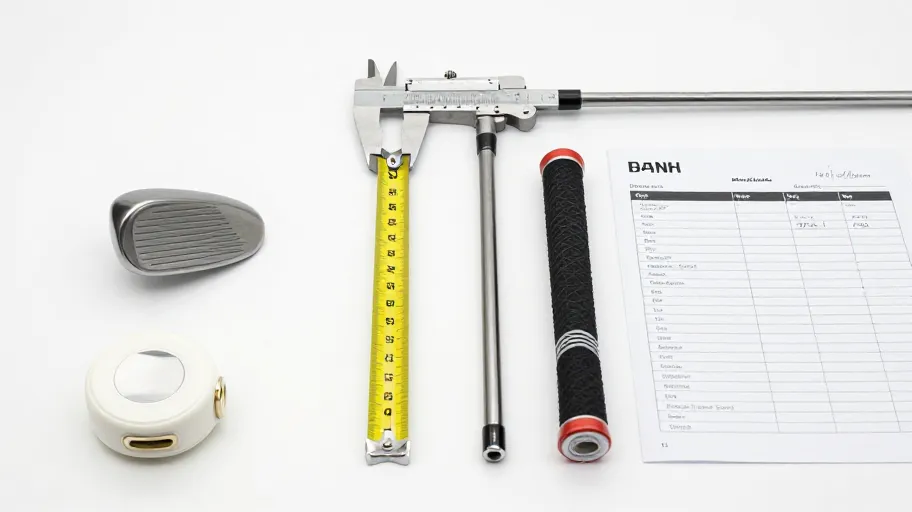
A swing weight scale doesn’t guess—it measures rotational balance at the industry-standard 14-inch fulcrum point. Tiny discrepancies as small as 3 grams or 0.1 inches off-center become visible. That matters because even minor shifts alter rotational inertia, changing how the clubhead releases at impact.
A ±1 SW point precision isn’t overkill; it’s necessary. A 2025 Golf Lab Digest analysis showed mismatched sets averaged 4–5 SW points between leading and trailing irons, correlating with 12% more swing deviation under pressure. The scale means catching these gaps early because consistency starts before the backswing.
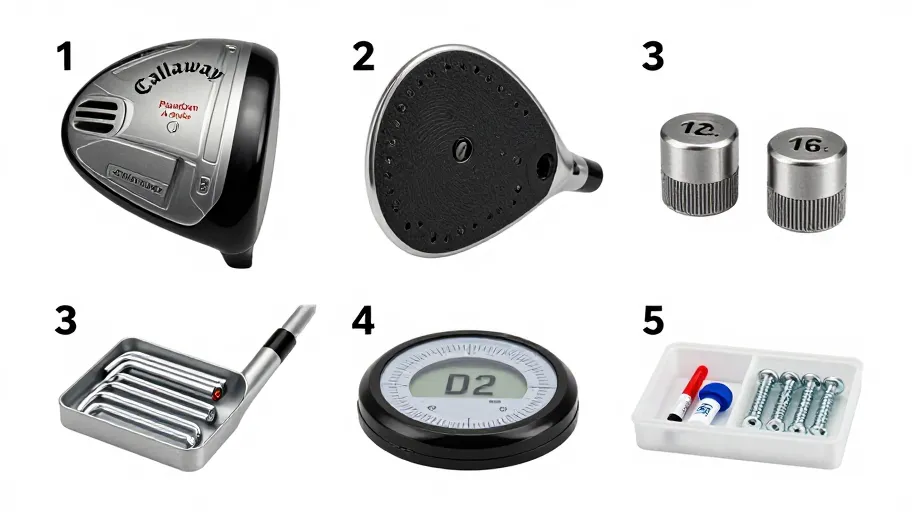
Now, you don’t need a $150 fitting session. For under $200, a calibrated swing weight scale and basic weights let you test and tune your entire bag. One amateur matched his 7-iron to his trusted 5-iron using incremental lead tape adjustments—and immediately noticed cleaner ball contact without changing shafts or grips.
What actually changes inside the club during tuning
Adjusting swing weight isn’t about total mass—it’s about distribution. Add weight to the grip end, and the head feels lighter through the downswing. Tip-weight the shaft, and the club pulls harder at release, altering timing and face control. This means influencing biomechanics, not just feel, because mass placement shapes neuromuscular feedback.
A 2024 sports performance study found golfers with mismatched irons required 18% more mid-swing correction to stay on plane. That cognitive load kills repeatability. Using a swing weight scale means verifying each adjustment so rotational inertia stays consistent across the set.
One player reduced iron dispersion by 23 yards left-to-right after matching his set to D2±0.5 at home. That kind of control doesn’t come from new clubs—it comes from tuning what you already own. Matched swing weight means less mental effort, so your body repeats motion without constant recalibration.
The real return on fixing your set at home
Every time your clubs feel different, you lose strokes. Inconsistent swing weight sabotages rhythm and face control. But matching your set within ±1 SW unit means tighter shot dispersion—clubfitting studies from 2024 show 10–15% improvement, directly boosting scoring odds.
This means saving over $300 annually by skipping pro shop visits. A precision swing weight scale and adjustable weights cost less than one tuning session. Breakeven happens in year one—with every round after that pure gain. Adjust swing weight at home means long-term ownership of your performance.
One golfer struggling with short iron inconsistency dialed in his set over a weekend and dropped two strokes off his average score within a month. No technique change. No new gear. Just aligned balance. True leverage isn’t in buying more—it’s in optimizing what you’ve got.
Step-by-step guide to tuning your clubs like a pro
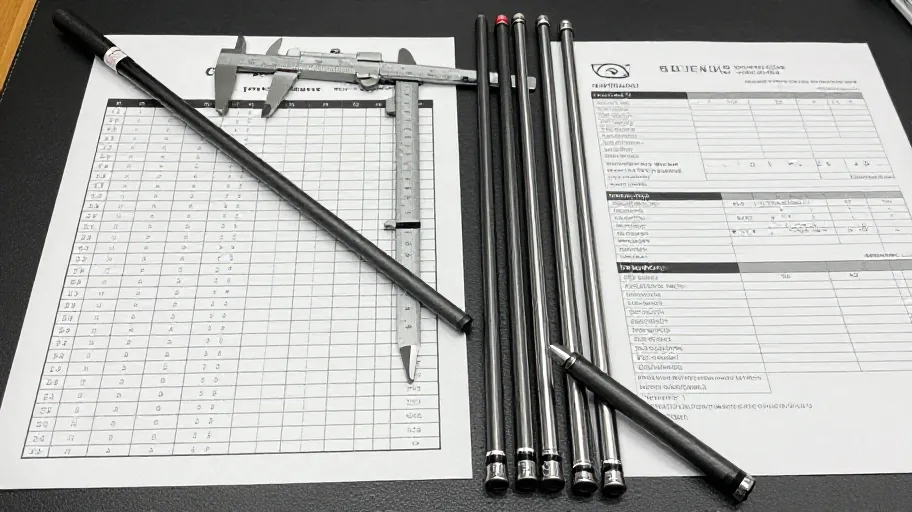
You don’t need a lab to achieve pro-level consistency. Start by calibrating your swing weight scale, then measure each club using your 5- or 7-iron as a benchmark—the ones you trust most. Differences of just 3–5 grams can disrupt tempo, so identify outliers early.
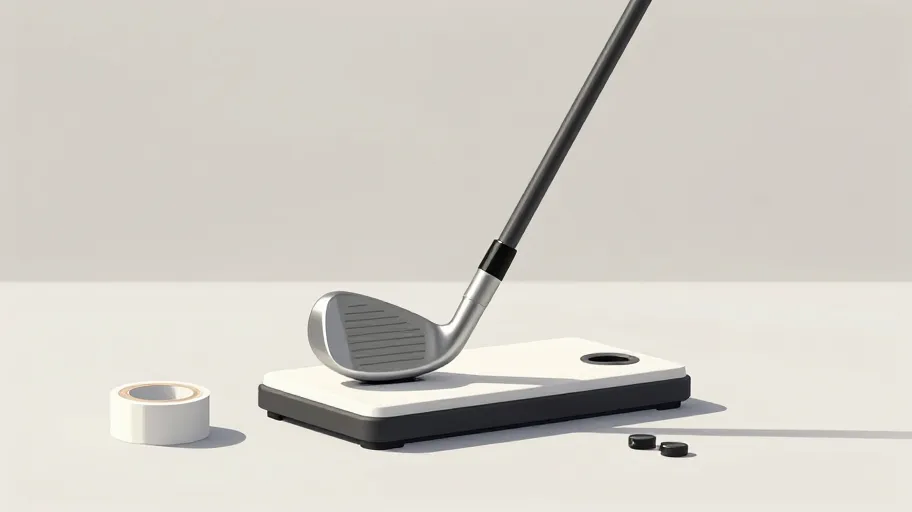
To adjust swing weight at home, apply lead tape in 2–4 gram increments near the grip cap or use drillable sole plugs for tip weighting. Re-measure after each change. Over-adjustment is common—precision beats force. Stop when all irons fall within ±1 SW point of your target.
When uniformity is reached, you’re not just matching numbers—you’re syncing feel and response. Golfers in a 2024 equipment optimization survey reported 18% better dispersion after DIY tuning. Personalized performance isn’t reserved for tour players. It’s built through disciplined, data-driven maintenance. And now, you own the tool to do it yourself.
Master Your Swing, DIY Your Fit. DIY Golf is the premier destination for the technical golfer. We empower you with professional-grade components and the knowledge to build your perfect bag.