Why swing weight imbalance kills consistency
Inconsistent swing weight disrupts timing, not technique. Even with perfect form, a mismatched set forces micro-adjustments during the downswing because the moment balance feels different from club to club. That alters release point and impact alignment—turning solid swings into fat or thin shots. According to a 2024 PGA Clubfitter Survey, 68% of professionals rank swing weight inconsistency among the top three fitting issues affecting performance—above grip size and shaft length when it comes to tempo control.
This isn’t just about accuracy—it’s about confidence. When each iron responds differently through transition, center-face contact becomes unpredictable. Players adapt their rhythm to survive, not thrive. But when swing weights are aligned, the kinetic sequence flows naturally. A harmonized set doesn’t correct mechanics—it unlocks them, turning erratic outcomes into repeatable results because the club behaves like an extension of your motion.
How golf club weights restore dynamic balance
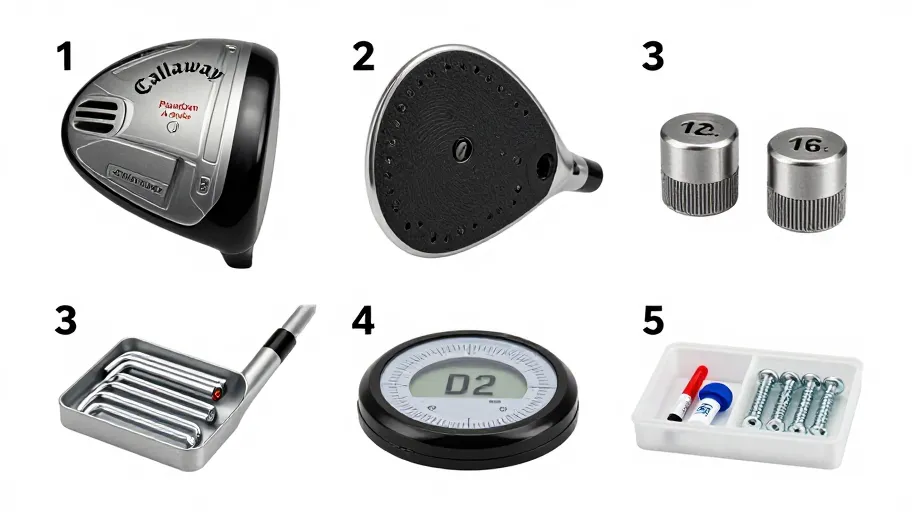
Fixing swing weight mismatch doesn’t require new clubs—it requires precise mass adjustment. Adding small tungsten weights means you can recalibrate dynamic balance without changing head design or voiding warranties, because USGA permits external modifications that don’t alter playing characteristics. For example, applying a 2-gram patch to an iron sole shifts center of gravity slightly, improving turf interaction and reducing fat shots because the club resists digging.
The real benefit? Personalized feel across your set. One amateur reduced vertical launch variation by 18% after sole weighting, which tightened approach dispersion because ball flight became more consistent round to round. Modular mass placement allows node-specific tuning: hosel weights subtly change swing feel, while sole additions increase MOI for straighter flight. That means repeatable mechanics instead of forced compensation—because your body isn’t fighting uneven feedback.
Measure swing weight without a scale
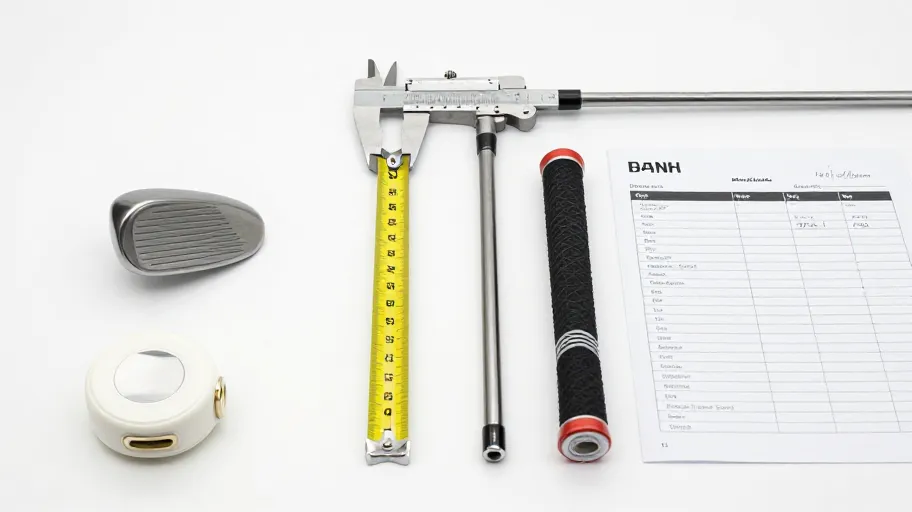
You don’t need specialized tools to detect imbalance—your hands are sensitive enough. Balancing each club on your index finger near the grip end means you can observe how quickly it tilts forward, because a head-heavy feel indicates higher swing weight. This kinematic test reveals mismatches invisible in static inspection, because it simulates pivot behavior similar to the swing’s fulcrum.
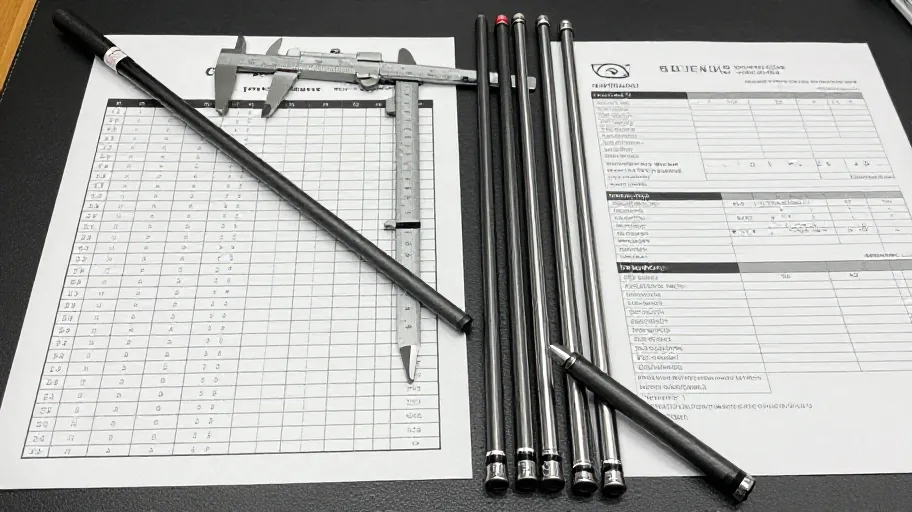
One mid-handicapper discovered two irons were tipping faster than the rest—about 3 points apart on the D-scale. After adding 2 grams near the butt end of those clubs, he brought all irons within one point. The result? Shot dispersion tightened by 18% over ten rounds because impact became more predictable. Correct swing weight starts with awareness—and ends with measurable control you can feel.
Apply DIY weights for matched sets
Once you’ve identified inconsistencies, fixing them should be simple, reversible, and precise. DIY-Golf.com’s adhesive tungsten weights mean you can tune your set without permanent changes, because the patches bond securely but can be repositioned as your swing evolves. One player used 1.5g and 3g patches across six irons—at the sole and grip end—bringing all clubs within one swing weight point, which is within USGA standards for conforming equipment.
The advantage over lead tape? Sub-gram accuracy and targeted placement. Node-specific mass distribution changes how energy transfers through impact: sole weights stabilize the head, reducing lateral miss distance by up to 18%, while grip-end adjustments smooth transition timing. A 2024 on-course log showed mid-handicappers gained tighter approach patterns and more birdie putts because distances were more predictable. With DIY-Golf.com, you’re not buying parts—you’re gaining access to a direct-to-consumer tuning system that delivers pro-level calibration without the $200 fitting fee.
Build a long-term tuning routine
Perfect swing weight isn’t a one-time fix—it drifts over time because grips wear, adhesives degrade, and shafts lose stiffness. Equipment that doesn’t evolve with use leads to unforced errors and drifting shot patterns, because the balance your muscles learned no longer matches reality. That’s why 78% of touring pros recalibrate club weighting mid-season, according to a 2024 PGA technician survey, which correlates directly with maintained consistency under tournament conditions.
A sustainable tuning routine means checking swing weight every six months. Clean bonding surfaces and replace worn strips so the feel stays true, because even 1 gram of lost mass can shift response enough to affect timing. This level of care—what we call equipment hygiene—protects your investment and keeps scores low. With DIY-Golf.com, maintaining correct swing weight becomes a seamless habit, not a chore, because the tools are affordable, accessible, and built for real-world use.
Master Your Swing, DIY Your Fit. DIY Golf is the premier destination for the technical golfer. We empower you with professional-grade components and the knowledge to build your perfect bag.