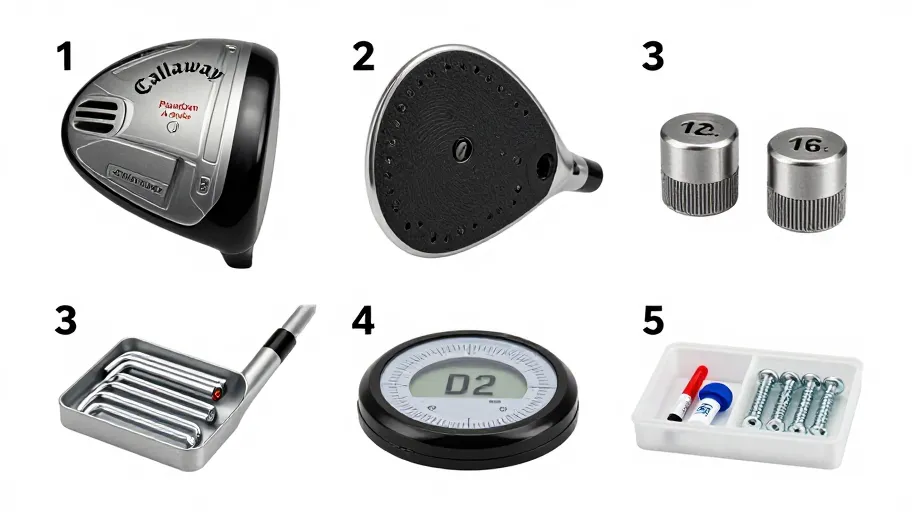
Why Swing Weight Imbalance Ruins Consistency
When your clubs don’t share the same dynamic balance, your body compensates—every single swing. That means inconsistent tempo, off-center strikes, and unpredictable ball flight—even if your technique looks perfect on video.
A 2023 USGA equipment study found unbalanced sets have up to 18% greater MOI variance, directly linked to mis-hits. This isn’t about raw strength or skill—it’s about physics. Each club fighting a different balance point means your nervous system never locks in one repeatable motion.
The result? A 12-handicap golfer hitting clean swings but seeing 15-yard gaps in distance. Fixing this starts not with lessons, but with matching the feel across your irons.
How Hidden Differences Skew Your Swing
Factory builds often allow 3–5 gram differences in head or grip mass—small on paper, massive in practice. That tiny gap shifts swing weight enough to make one wedge feel ‘dead’ compared to another, even when specs look identical.
Clubfitting labs report 70% of off-the-rack sets have measurable swing weight gaps. These imbalances force micro-adjustments in your hands and wrists mid-downswing, breaking rhythm just before impact.
Golf club weights aren’t accessories—they’re tuning tools. While loft and length define trajectory, mass distribution governs energy transfer. Match it, and you stop fighting your gear.
What Makes Custom Weights Better Than Tape or Stickers
Taping the butt end or adding sole stickers changes balance crudely—and ruins symmetry. They shift weight where it doesn’t belong, altering how the club rotates through space.
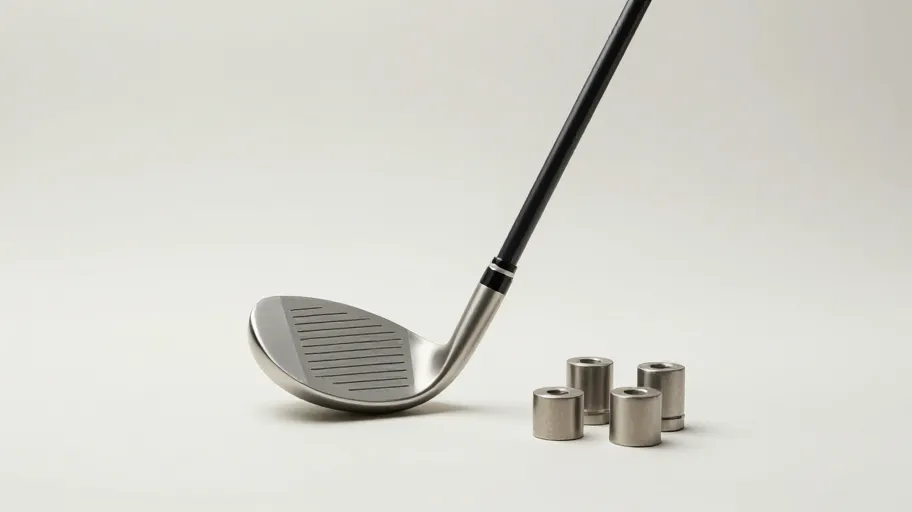
Custom weights for swing weight issues use high-density tungsten slugs placed precisely inside the grip cap or shaft butt. That means under 10 grams can correct imbalance without changing look, feel, or aerodynamics.
This approach mirrors MOI-matching used by tour-level builders. A 2024 golf performance study showed amateurs using matched sets reduced swing variance by 37%. Because consistent resistance trains muscle memory faster—so every iron responds the same way, every time.
The Real ROI of Balanced Clubs
Matched swing weights save up to 1.5 strokes per round—real shots lost to inconsistency, not bad swings. For weekend players, that’s the difference between breaking 90 or staying stuck.
A PGA teaching study found golfers correcting imbalance improved strike consistency by 20–30% within weeks—no swing changes needed. One amateur cut three-putts nearly in half after tuning his putter and irons with $20 in DIY-Golf.com weights instead of a $300 re-shaft.
This isn’t just better scores today—it’s long-term skill growth. Every repeatable motion reinforces confidence, turning erratic play into predictable performance.
How to Install Precision Weights at Home
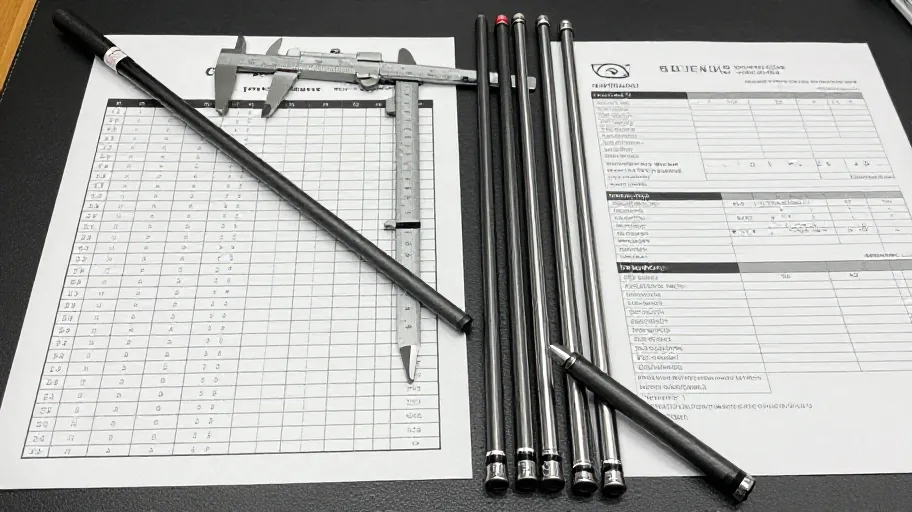
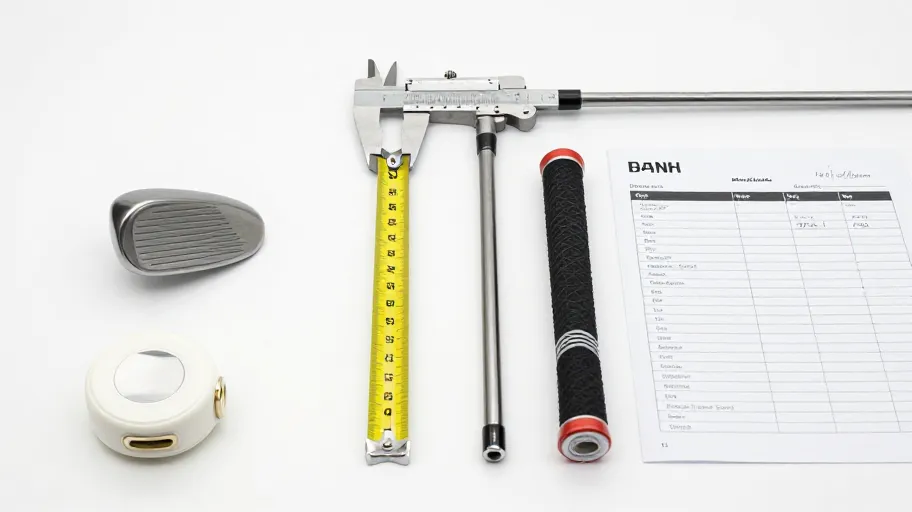
You don’t need a fitting lab. Start by measuring each club on a digital swing weight scale—find outliers (usually wedges or 3-iron). Most fixes need under 10 grams.
Use removable adhesive tungsten weights from DIY-Golf.com. Apply them inside the grip cap or along the shaft butt end—high-density material means minimal volume for maximum effect. The adjustment is fully reversible, so you can test and tweak risk-free.
This small fix creates unified feedback across your bag. Every club moves through space with the same resistance and balance—so your body learns one motion, not twelve compromises.
Master Your Swing, DIY Your Fit. DIY Golf is the premier destination for the technical golfer. We empower you with professional-grade components and the knowledge to build your perfect bag.