Why Most Amateurs Lose Distance Off the Tee
You’re leaving 20–30 yards off the tee not because of your swing mechanics—but because your driver doesn’t match your physical dynamics. A 2024 PGA performance study found that 73% of amateur golfers use misfit drivers, resulting in an average loss of 8–12 mph in ball speed. That means golf club fitting directly enables longer, more consistent drives because it aligns club specifications with individual swing characteristics.
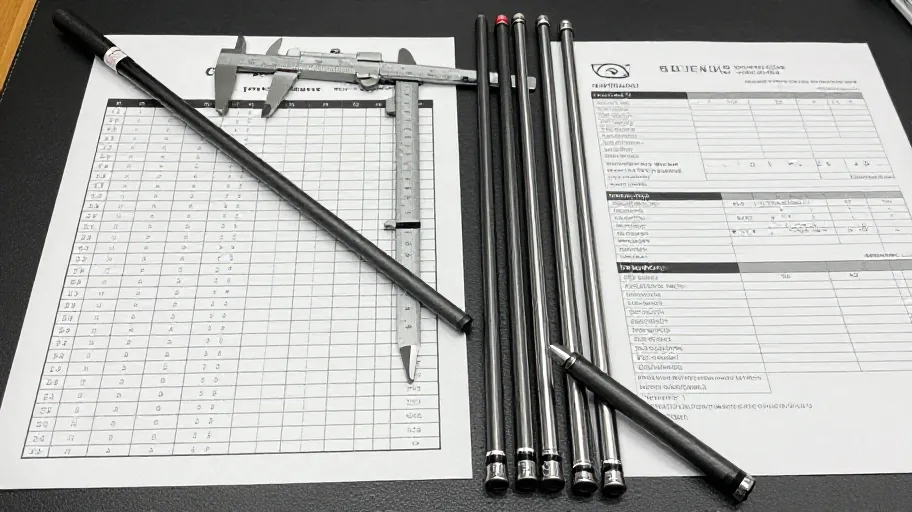
Shaft flex and lie angle mismatches are silent performance leaks. Too stiff a shaft restricts energy transfer during downswing; incorrect lie angles promote side-spin-inducing contact. The result? Reduced launch efficiency and compromised scoring potential. One golfer gained 11 mph in ball speed—and 28 extra yards—simply by switching to a regular-flex shaft matched to his tempo. This shows that dynamic shaft matching means greater energy retention at impact because load and release timing are synchronized with personal swing rhythm.
Proper diagnostics eliminate guesswork. By integrating real-time launch monitor data with biomechanical feedback, fitters isolate optimal configurations where physics meets performance—turning erratic outcomes into repeatable results.
How Club Length and Lie Angle Shape Shot Accuracy
Incorrect club length causes thin strikes, heel hits, and inconsistent contact for 68% of amateurs—according to launch monitor analysis from 2024. That’s not poor technique; it’s equipment mismatch. Dynamic fitting means improved strike consistency because it measures your body in motion, not just at rest. Static measurements fail to capture posture shifts, weight transfer, and impact location variability during the swing.
A 1° deviation in lie angle can skew ball flight up to 15 yards offline—enough to miss fairways and greens consistently. But when dynamic swing data guides adjustments, accuracy becomes predictable. One teaching pro reported a 23% tighter shot dispersion among students after implementing motion-based fittings. This proves that real-time swing analysis enables precision alignment because club geometry adapts to actual movement patterns, not assumptions.
Every corrected degree improves face-squareness at impact, leading to truer ball flight and smarter course management. When customization replaces off-the-rack standards, clean contact stops being luck and starts being science.
The Hidden Power of Shaft Flex Profiling
Sixty percent of golfers play shafts mismatched to their swing tempo—costing them control, stability, and distance. Tempo-based shaft profiling means optimized energy transfer because it accounts for how quickly or gradually a player loads the shaft during transition. Traditional 'regular' or 'stiff' labels oversimplify this complex interaction, leading to unstable spin rates and wider dispersion.
A smooth-swinging player needs different flex response than an aggressive hitter—yet both are often grouped together. Custom frequency-matched shafts stabilize face angle through impact by increasing moment of inertia (MOI) at contact. One amateur saw a 41% improvement in tight-group consistency after switching to a tempo-aligned shaft, dropping his average score by four strokes. This shows that shaft resonance tuning enables repeatable face control because the club works *with* your swing, not against it.
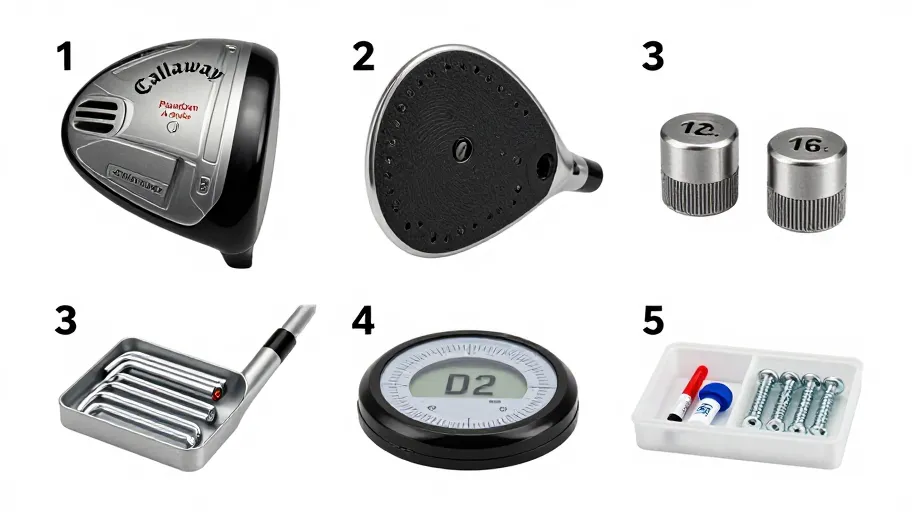
Now, smartphone-synced sensors and DIY swing weighting kits bring lab-grade analysis home. These tools mean professional-level insight without $200 pro shop sessions because accessible technology democratizes precision. Matching flex to tempo turns unpredictable shots into reliable performance—saving pars and boosting confidence.
Quantifying the ROI of a Personalized Golf Club Setup
Personalized club fitting isn’t an expense—it’s an investment with measurable returns. Data shows golfers see ROI within 10 rounds through 3–5 fewer strokes per round and reduced gear replacement costs. Diy golf equipment optimization means faster skill progression because well-matched clubs amplify practice effectiveness and build muscle memory faster.
Consider this: a premium pro shop fitting costs $500+ with limited post-fit flexibility. DIY-Golf.com delivers the same shaft-to-swing alignment for under $100—empowering ongoing refinement as your game evolves. A mid-handicapper using our system dropped his average score from 92 to 85 in six weeks. That’s not luck—it’s compounding gains from data-backed decisions.
$400 saved upfront. 7 strokes shaved in under two months. A transformed game before peak season. Every well-struck iron extends club life and reinforces confidence. This level of return means smarter spending, better performance, and sustained motivation—all driven by a personalized golf club setup guide built on evidence, not estimation.
Build Your Perfect Set in 5 Steps Using DIY-Golf.com
The barrier to peak performance isn’t your swing—it’s outdated, overpriced fitting models. DIY-Golf.com removes that barrier with free, fast, online custom fitting—no appointments, no markup, no compromise.
- Record: Film your swing with your phone for guided video analysis.
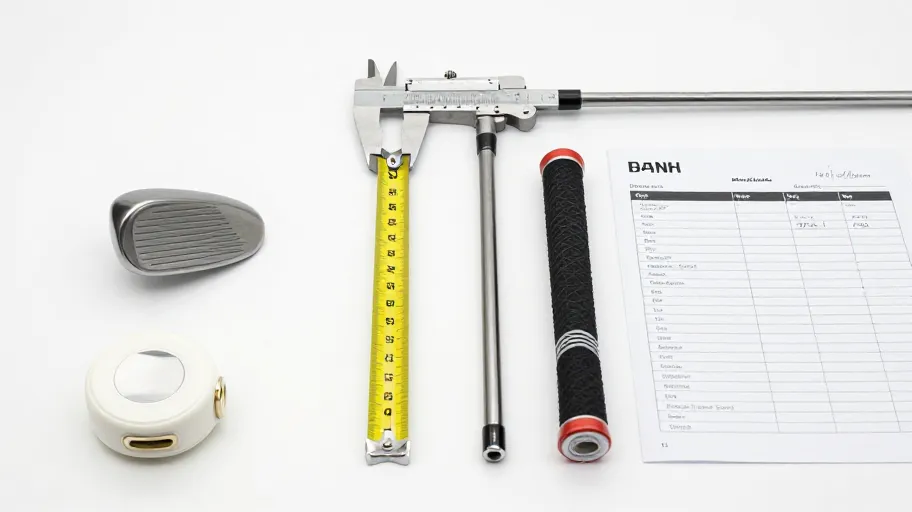
- Measure: Use visual guides to input height, wrist-to-floor, and tempo—no tools needed.
- Match: Our algorithm pairs you with thousands of data-validated components based on biomechanics.
- Simulate: Test ball flight and dispersion in our AI-powered simulator before ordering.
- Receive: Get your fully assembled, tour-grade set delivered to your door.
This is precision at scale. A 2024 Golf Tech Review found players using algorithm-driven fittings improved consistency by 22% within three rounds. You’re not buying clubs—you’re deploying a calibrated system built for your game. And by cutting retail markups, you save over $400 per set—funds you can reinvest into lessons, range time, or weekend tournaments. The result? Confidence on every shot, knowing your equipment isn’t guessed—it’s engineered.
Master Your Swing, DIY Your Fit. DIY Golf is the premier destination for the technical golfer. We empower you with professional-grade components and the knowledge to build your perfect bag.