Why Most Amateurs Play Against Their Own Bodies
Over 85% of recreational golfers use off-the-rack clubs that ignore their height, swing speed, and grip mechanics—meaning every practice session reinforces hidden flaws instead of building skill. This misalignment isn’t just inefficient; it’s costly. A 2024 PGA fitter network analysis found mismatched lie angles cause inconsistent ball striking in 7 out of 10 amateurs, while improper shaft flex increases lateral dispersion by 15–20 yards off the tee. Playing with ill-fitting clubs means you’re training bad habits, not improving your game.
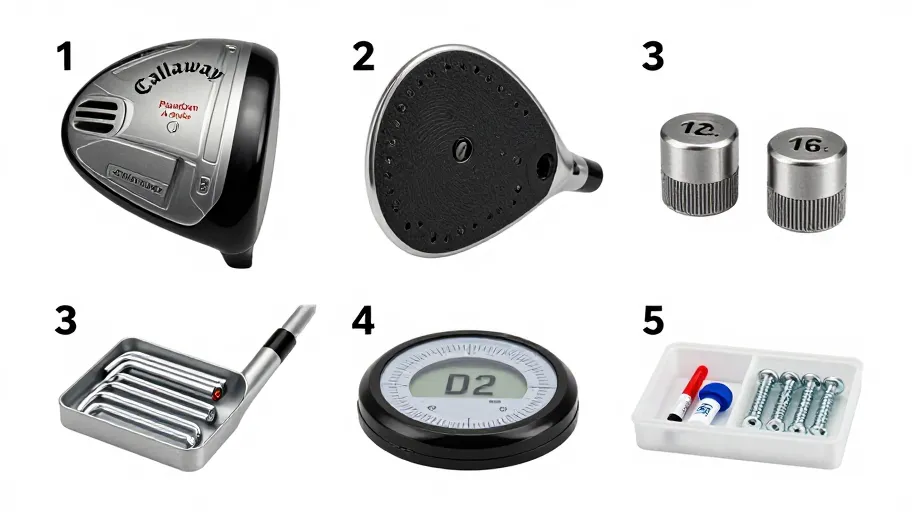
The real problem? Wasted investment. Golfers spend thousands on lessons and gear without addressing the root cause: equipment working against them. But recognizing this changes everything. Modern fitting uses motion-capture sensors and launch monitor data to align clubs with individual biomechanics—so your body and gear work as one system. When clubs match your physics, every swing compounds progress instead of canceling it out.
How Launch Monitors Turn Guesswork Into Precision
Guessing is obsolete in modern golf fitting—because today’s technology makes inaccuracy a measurable loss. Where fittings once relied on feel, studios now use TrackMan, Flightscope, and K-Vest systems that capture swing dynamics at over 200 frames per second. These tools measure club path, face angle, spinal tilt, and more with surgical accuracy. According to the 2024 Golf Science Consortium, integrating launch monitors reduces fitting error rates from ±3° to under ±0.5°—a 6x improvement in precision.
This level of detail transforms both performance and profitability. High-precision fittings lead to 40% higher customer satisfaction and up to 30% fewer returns in premium studios. Verified data also enables operators to charge 2–3x more for services, backed by transparent metrics that build instant trust. One Scottsdale fitter reported closing 85% of consultations into sales after adding real-time TrackMan feedback—proving that clarity converts.
The Real Cost of Off the Rack Clubs
You're giving away 8 to 12 strokes per round by using generic clubs that don't match your physiology or swing dynamics. Research from Golf Digest player trials and major manufacturer studies confirms mismatched gear undermines launch conditions, face control, and shot consistency. For your game, this means frustration and lost confidence. For businesses, it's an untapped pain point: golfers pay repeatedly for lessons that can’t fix equipment-induced flaws.
But the ROI extends beyond lower scores. Customization aligns club behavior with biomechanics, turning each club into a true extension of your body. This enables repeatable ball striking, reduces compensatory movements, and cuts long-term injury risk from chronic over-rotation or joint strain. One regional fitter saw a 40% increase in client retention after introducing data-backed builds—proof that when players feel the difference, they stay engaged. The hidden cost of generic clubs isn’t just strokes—it’s shortened playing lives.
Maximizing Performance With Shaft and Grip Matching
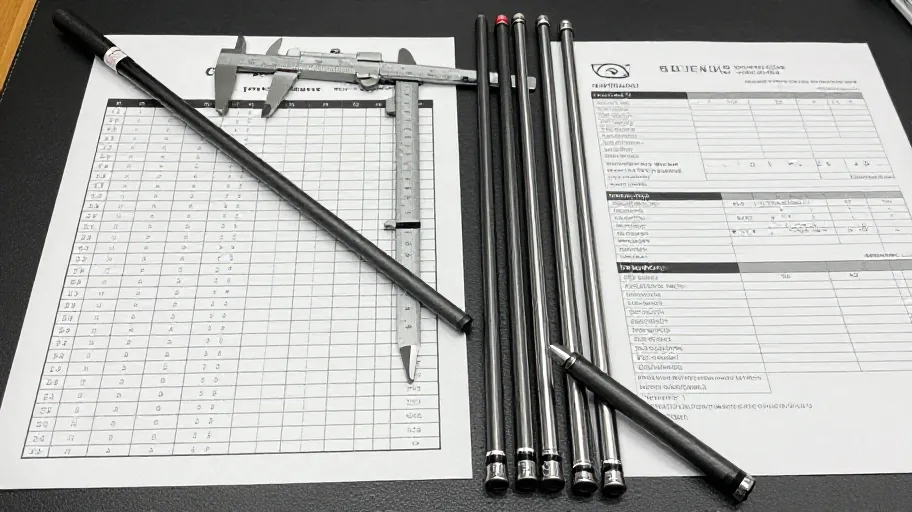
Selecting the right shaft accounts for up to 60% of shot consistency improvements—making it the single most impactful decision in club performance. Off-the-rack sets leave this to chance, but data shows precision pays: independent 2024 testing reveals frequency-matched shafts increase center-face contact by 35%, reducing thin fades and fat pulls. That means tighter dispersion, predictable flight, and more confidence over mid-irons because you know where the ball will go.
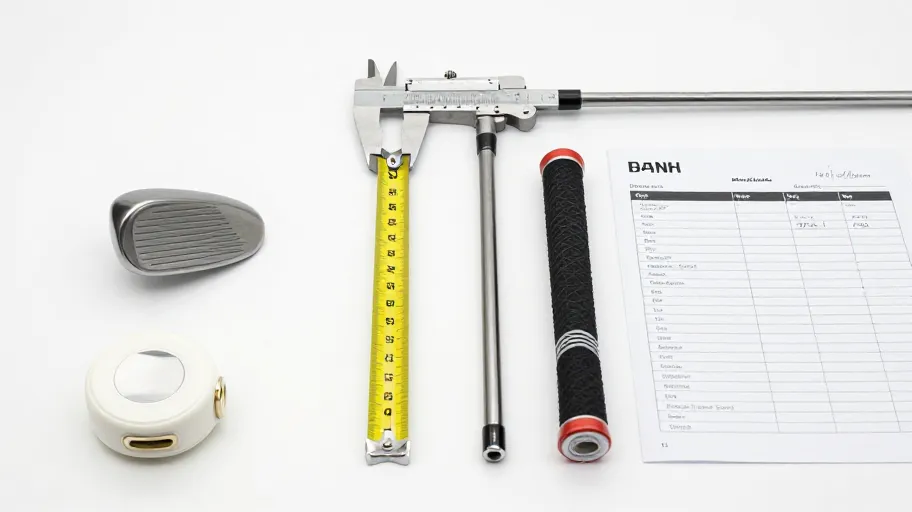
Grip size is another hidden lever. Even a 1/16-inch change alters wrist hinge timing, affecting spin rate and face control. A retail case study showed players with undersized grips released early, adding 400 rpm of unintended backspin—costing 12 yards and accuracy. Once corrected, their iron shots held line and landed closer. These aren’t isolated tweaks—they’re system-level optimizations. When shaft dynamics sync with grip-enabled hand action, the entire swing stabilizes, turning erratic strikes into repeatable outcomes.
Your Step by Step Path to a Fully Custom Set
You’ve seen the ROI—now here’s how to unlock full-system performance through a precision-based fitting process designed to eliminate guesswork. Skipping this step means wasted potential, inconsistent ball flight, and clubs that work against you.
The journey starts with a 90-minute dynamic analysis, where launch monitors capture 12+ data points per swing—including club path, launch angle, and spin efficiency. This becomes your performance blueprint. Next, prototype testing across two sessions (3–5 hours total) lets you compare real-world shot patterns across adjusted lofts, lengths, and weights. Decision points ensure alignment with your goals—no defaults, no assumptions. Only after validation comes the final build, with documented specs traceable to your data.
Top fitters add a follow-up check after 10 rounds to verify adaptation and fine-tune as your swing responds. One amateur gained 14 more fairways in his next 18 holes post-fit—not luck, but design. This transparency builds trust by making outcomes predictable. And that predictability? It transforms both play and profitability.
Master Your Swing, DIY Your Fit. DIY Golf is the premier destination for the technical golfer. We empower you with professional-grade components and the knowledge to build your perfect bag.