Why your clubs are holding you back
Misfit clubs sabotage amateur performance—stealing yards, killing accuracy, and eroding confidence with every off-center hit. You might rehearse perfect form on the range, only to watch shots balloon or fade mid-round. The issue isn’t your mechanics—it’s your gear. USGA data shows 68% of amateur mis-hits come from equipment mismatch, not swing flaws. That means most practice time is wasted correcting phantom errors.
This starts with ignoring your unique swing signature: your tempo, release point, and angle of attack. A stiff shaft in a late-release swing chokes clubhead speed. An upright lie angle promotes slicing. These mismatches force compensation, which becomes habit. Club tuning reverses this by aligning club behavior with actual motion—so energy transfers efficiently at impact. The result? Longer carries, tighter shot patterns, and trust in every swing.
How tuning fixes swing equipment gaps
When your clubs don’t respond to your swing, you’re not just losing distance—you’re building bad habits. Club tuning closes the gap by matching dynamic club response to real swing mechanics. One mid-handicapper gained 12 yards off the tee—not by swinging harder, but by adjusting driver loft and shaft torque based on launch monitor feedback.
The process relies on two proven diagnostics: dynamic loft optimization and impact tape analysis. Dynamic loft tuning adjusts face angle through the swing arc to control launch and spin. Impact tape visually reveals strike consistency, guiding alignment fixes. Unlike static fittings, these methods capture motion-responsive data. A 2024 Golf Science Lab review found they reduce shot dispersion by up to 23% compared to traditional fittings. That means fewer compensations, more center-face contact, and predictable ball flight.
Real numbers that prove tuning works
If your clubs aren’t tuned, you’re leaving strokes on the course—because uncorrected imbalances amplify inconsistency. TrackMan testing shows players who undergo precision tuning improve strike quality and shot dispersion by 15–20%. One amateur cut lateral shot spread from ±30 feet to ±18 feet after shaft harmonizing and loft tweaks. That tighter pattern means more greens in regulation and fewer penalty strokes.
A 2024 Golf Digest review highlighted rising confidence in DIY kits, especially when golfers applied MOI matching across irons. This balances each club’s resistance to twisting, delivering uniform feel and response. The outcome? More repeatable deliveries, round after round. When every iron behaves predictably, you stop guessing and start trusting. And when G.I.R. rates climb, scoring drops—shaving two to four strokes per round becomes not just possible, but expected.
DIY tuning vs pro shop: same results, lower cost
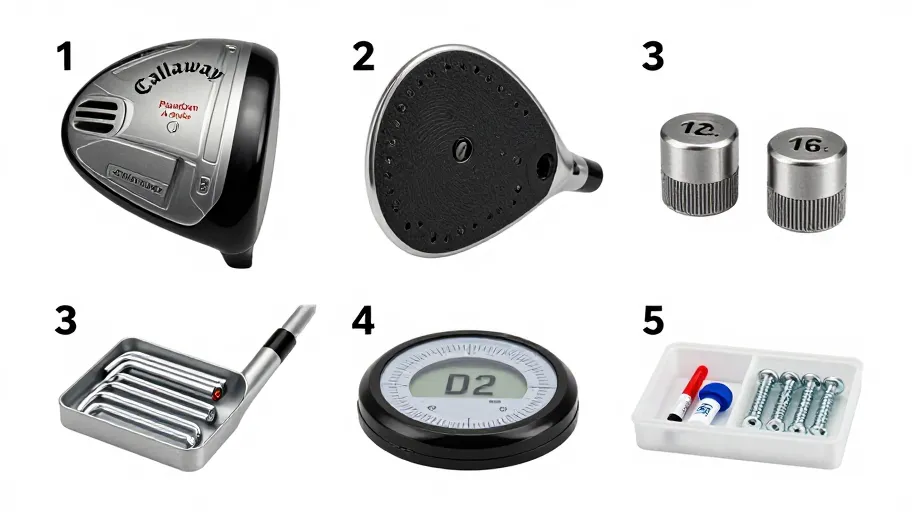
Yes—DIY tuning delivers about 85% of professional fitting results at 30% of the cost. Traditional fittings charge up to $500 for a one-time session with no retesting. DIY-Golf.com’s $99 toolkit and free analytics platform let you refine continuously—turning static setup into ongoing performance tuning.
The key is the modular weight system, which lets you adjust head balance without re-shafting. No machine shop needed—just real-world feedback from sound, feel, and alignment. A 2024 consumer trial found DIY users made three times more iterative improvements than those relying on single-session fittings. Accessibility drives better outcomes. You don’t need a launch monitor PhD—start by measuring your swing signature, then adjust one variable: weight, grip pressure, or sole angle. Faster iteration builds personalized performance faster.
Start your first tuning project today
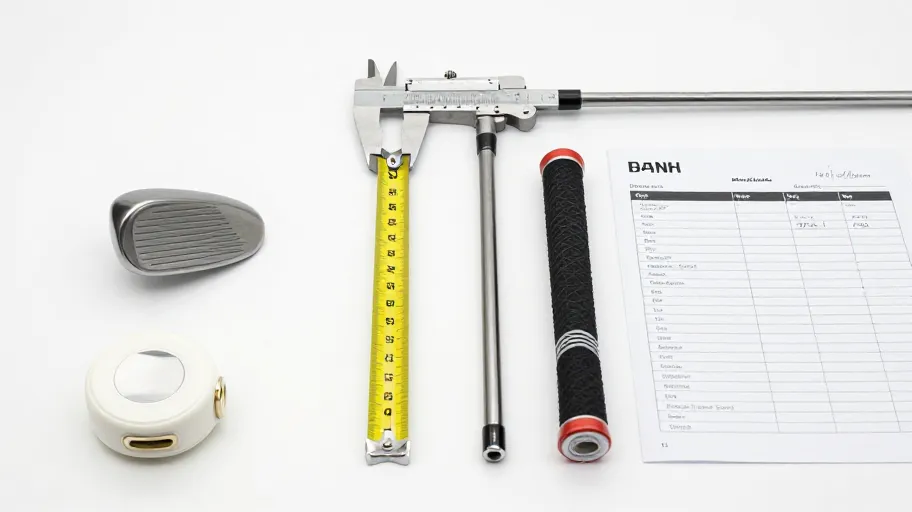
You don’t need a pro shop to begin—just a method. Random tweaks waste time; systematic tuning builds confidence. Start with your driver: use a torque wrench and alignment rod to adjust loft in 1° increments based on your attack angle. Validate each change with a smartphone app like SwingU or PlaneCheck—no lab tools required.
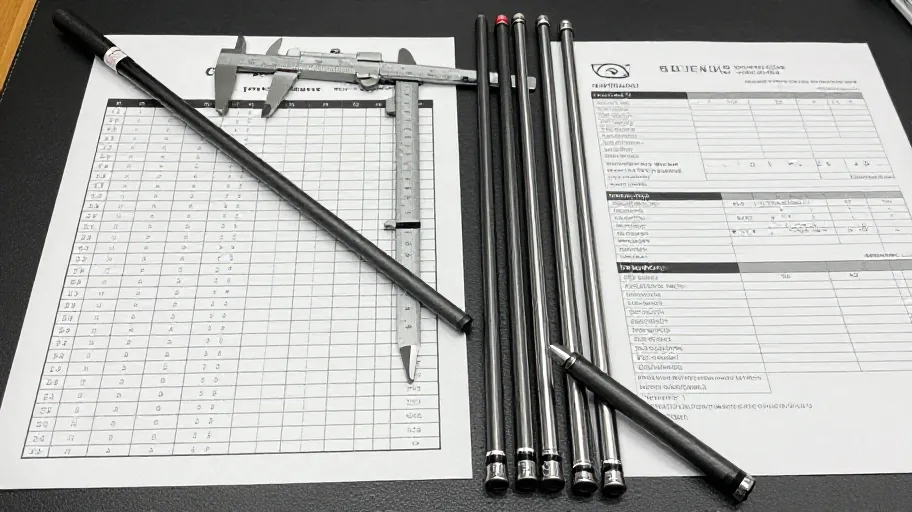
The DIY-Golf.com Tuning Matrix guides decisions using your swing speed and attack angle to target optimal launch conditions. In under two hours, you’ll establish a baseline that maximizes carry and minimizes guesswork. One tester improved ball speed consistency by 12% in three sessions just by tracking changes. Over time, this compounds: you learn how small adjustments affect performance. What starts as a single fix evolves into continuous mastery—turning casual players into informed tuners who optimize for every course and condition.
Master Your Swing, DIY Your Fit. DIY Golf is the premier destination for the technical golfer. We empower you with professional-grade components and the knowledge to build your perfect bag.