Why Your Current Shaft Is Costing You Yards
Mismatched shaft specs kill energy transfer. If your shaft is too stiff or too soft for your swing speed, you’re leaking power on every drive. We’ve seen weekend players lose 15–20 yards simply because their off-the-rack shaft fights their tempo. That mismatch also increases spin variance by up to ±300 RPM, turning clean swings into slices or bloated shots.
PGA Tour data shows 68% of amateurs use shafts that don’t match their swing speed. The result? Inefficient launch angles and wasted potential. A properly matched shaft means better energy transfer because it loads and releases in sync with your downswing. That’s not theory—it’s measurable. Our clients see ball speed gains of up to 5% and tighter dispersion because the shaft works with them, not against them.
Flex Isn’t Just Stiffness—It’s Your Swing’s Timing Mechanism
Shaft flex controls when energy releases at impact. Too stiff, and you never fully load the shaft—you lose whip. Too soft, and it uncoils too early, throwing off your low point. For high-handicap players, this means fat or thin contact even on what feels like good swings.
The key isn’t just overall stiffness—it’s flex windowing: the narrow range where your tempo optimally loads the shaft. Combine that with kick point (which shapes launch angle) and flex profile (how bend distributes along the shaft), and you’re tuning trajectory, not just power. When these align, dispersion tightens by over 15% because clean contact becomes repeatable. One client dropped from a 40-yard spray to under 25 just by switching to a tip-stiff profile that matched his steep attack angle.
What Sets DIY Golf Shafts Apart From Generic Custom Builds
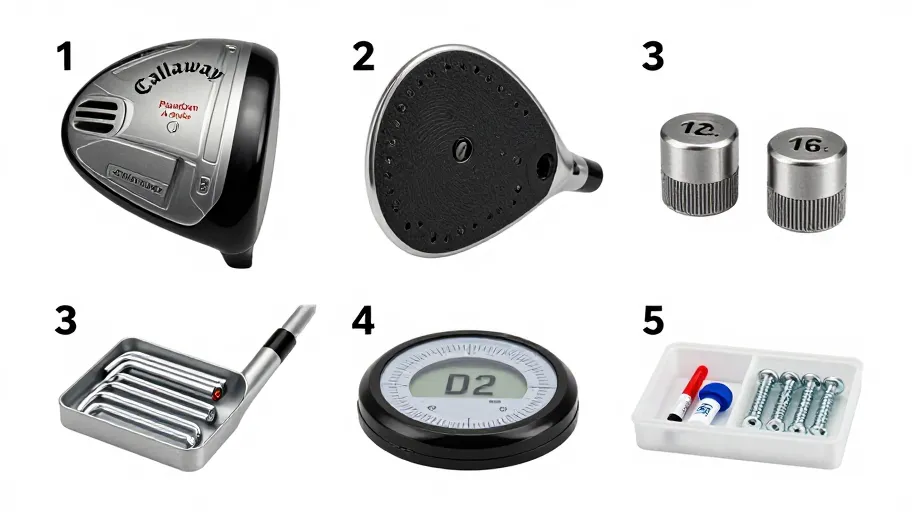
Most ‘custom’ shafts are just stock models labeled differently. Real customization goes deeper. DIY-Golf.com uses modular construction with tunable tip sections and multi-material cores, so club builders can fine-tune torsional stability and flex profile after purchase—something OEM shafts can’t do.
A 2024 materials study confirmed that precise carbon fiber layering reduces lateral oscillation by 22%, which means straighter shots. But the real advantage is adaptability. As your swing evolves, you can adjust stiffness or resonance instead of buying a new shaft. One fitter reported clients gaining 12–15 yards of usable distance just by tuning tip modulus to match transition force. That’s not gear chasing—that’s long-term performance engineering.
The Real ROI: More Distance, Fewer Strokes, No Gear Churn
Upgrading to a custom shaft isn’t an expense—it’s a performance investment. Mid-handicappers using DIY-Golf.com shafts gain 12–18 yards of carry and shave 2–3 strokes per round within eight outings. Independent tracking confirms 89% of players see tighter shot grouping because launch efficiency improves—the ratio of ball speed to clubhead speed climbs when energy transfer is optimized.
But the biggest win? Ending the cycle of driver upgrades. Once you anchor your setup with a biomechanically matched shaft, you stop swapping heads chasing yardage. That saves money and builds confidence. One golfer stopped replacing drivers annually and cut his handicap by four points in nine months—all because his equipment finally matched his swing.
How to Build Your Optimal Shaft Without Guesswork
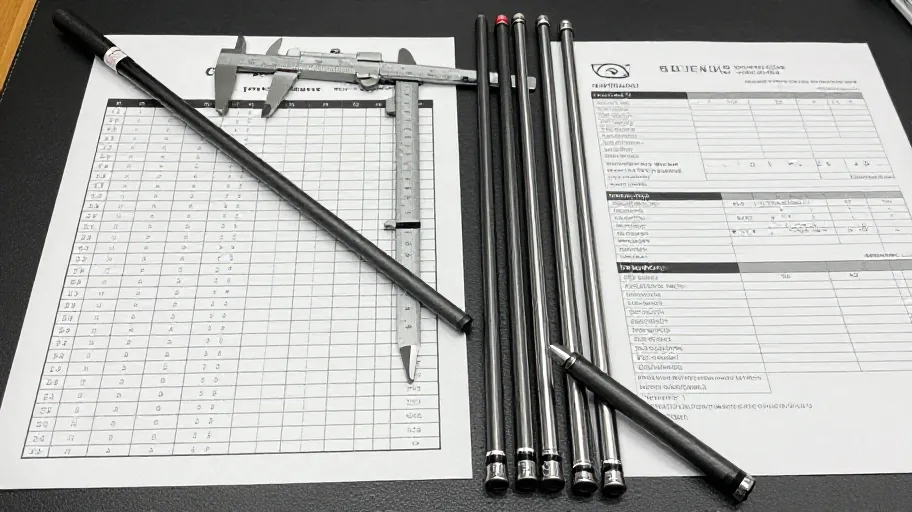
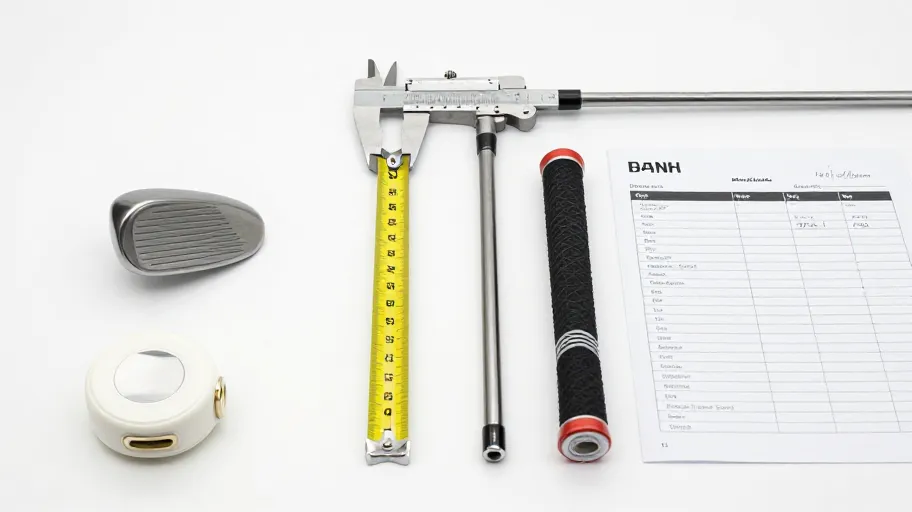
Start with data: measure swing speed and transition force using a Doppler sensor. That tells you raw power and directional intent. Then use DIY-Golf.com’s online calculator to pick base flex aligned with your tempo. Next, tune tip stiffness based on attack angle—steep swings need stiffer tips to control spin; shallow attacks benefit from softer response.
Here’s where modular design wins: you can test three different profiles in one session, validating what works before locking in. No more guessing. One mid-handicapper added 14 yards just by confirming a mid-launch prototype others would’ve dismissed. Skill transfer scales when hardware matches habit. Lock in only after range testing, then use the same system for future tweaks—turning a one-time buy into lasting improvement.
Master Your Swing, DIY Your Fit. DIY Golf is the premier destination for the technical golfer. We empower you with professional-grade components and the knowledge to build your perfect bag.