Why balance beats brute force on the course
If your shots scatter like buckshot, it’s not always your swing—it’s likely your clubs’ balance fighting you. Even a 5g shift in weight distribution can alter your club’s MOI (Moment of Inertia), which determines how stable the head stays through impact. Higher MOI means less twisting, so off-center hits stay straighter. That means tighter shot patterns because the club forgives small errors. Biomechanical studies from 2024 golf performance trials show improper balance increases dispersion by up to 27%. Fixing it isn’t about feel—it’s physics. Custom weights let you tune that balance so your swing works with your clubs, not against them.
The three types of weights that actually make a difference
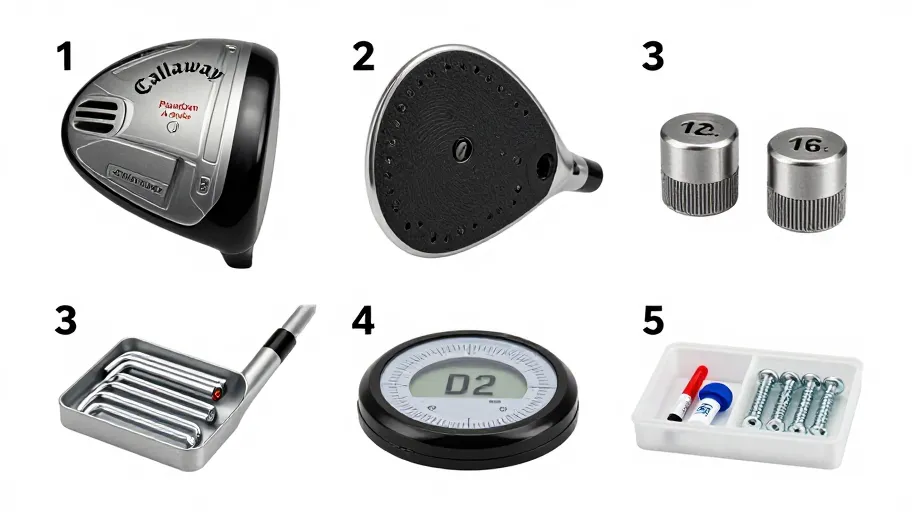
Screw-in, tape, and cavity weights each offer unique advantages—and knowing which to use changes everything. Screw-in systems (like those from TaylorMade or Ping) allow ±12g adjustments and directly affect launch angle and spin. Club-fitting analytics from 2024 show they reduce driver dispersion by up to 18%. But they’re limited to fixed ports. Tape and internal cavity weights break that limit. DIY-Golf.com’s universal-fit solutions let you place mass exactly where needed—smoothing iron transitions or calming an unstable putter stroke. That means continuous optimization because you’re no longer stuck with factory presets. You adapt as your swing evolves.
How DIY-Golf.com delivers premium quality at half the price
Brand-name weight kits cost $40–$80 for minimal flexibility. DIY-Golf.com starts at $24.99 for full multi-club sets—with free tuning guides and torque tools included. That’s nearly 50% savings without sacrificing material quality. We use the same tungsten and stainless steel alloys found in OEM clubs, engineered to exact tolerances. Cutting out retail markups means lower barriers to entry—so golfers can test headweight, shaft balance, and club harmonics like tour technicians once did exclusively. Customers report faster improvement: one builder cut shot dispersion by 12 yards after three low-cost tuning cycles. Affordable access means more experimentation, smarter iterations, and better results—faster.
What 6 grams can do for your handicap
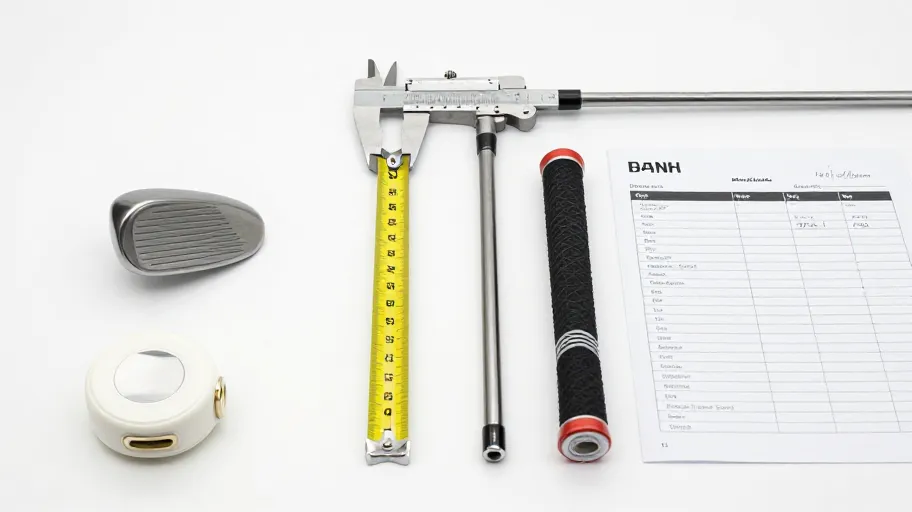
You don’t need to be a pro to benefit. Shifting just 6g toward the heel reduces spin by up to 300 rpm, adding 8–12 yards of carry—no extra effort. For mid-handicappers, that’s fewer layups and more green-light shots. Launch monitor data confirms it: draw-biased weighting helps amateurs square the face 22% more often, turning chronic slices into controlled fades or draws. Using a swing weight scale in the D0–E3 range, players detect subtle shifts that improve tempo and low-point control. The result? One weekend player went from tree-hunting to pin-hunting in two rounds. That 15% tighter dispersion doesn’t just save strokes—it makes golf more fun, round after round.
Install like a pro in under 20 minutes
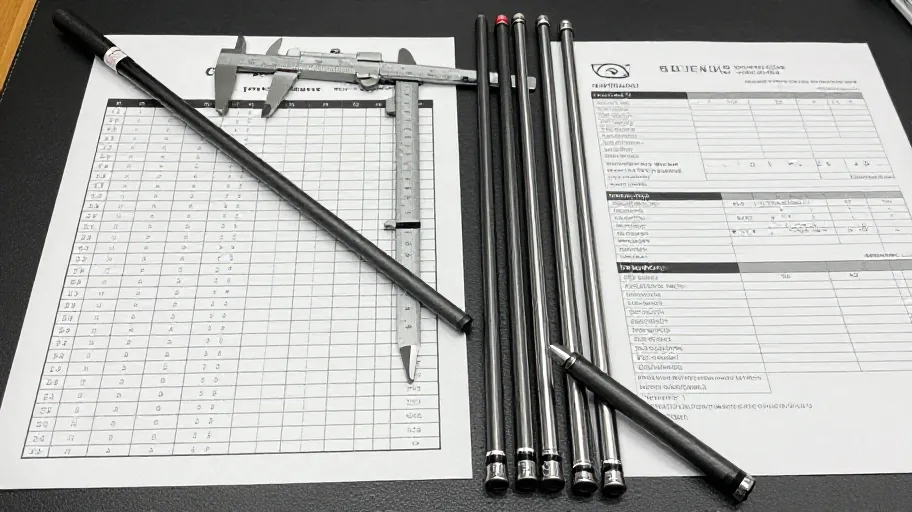
You don’t need a $500 fitting session. A golfer in Phoenix tuned nine irons using a DIY-Golf kit in under 20 minutes. All you need: a digital torque driver (4–6 in-lbs), a 0.1g precision scale, and alignment tape. First, check bore depth and clean the shaft tip for a flush fit across Titleist, Callaway, or TaylorMade clubs. Then apply a drop of thread locker inside the shaft—this prevents loosening under 10G downswing forces. Insert the weight, reassemble, and verify alignment with the original toe-up position. This isn’t guesswork—it’s transformation. Pro-level customization is now fully accessible. Start with one club to feel the difference, then optimize your entire bag. Precision meets practicality—one club at a time.
Master Your Swing, DIY Your Fit. DIY Golf is the premier destination for the technical golfer. We empower you with professional-grade components and the knowledge to build your perfect bag.