Why your clubs are working against you
Inconsistent swing weight across your set forces your body to adjust with every club change—like driving a car with wobbly tires. Over 60% of amateur inaccuracy stems from mismatched balance, not poor technique. When one iron feels heavier than the next, your timing breaks down, leading to thin shots, fat strikes, and lost distance. That imbalance means wasted effort and missed targets, especially under pressure. But here’s the fix: standardizing swing weight isn’t reserved for pros. With DIY golf swing weight adjustment, you restore rhythm by giving every club the same dynamic feel—so your swing stays repeatable from 5-iron to wedge.
What happens when club weights don’t match
A 3–5 gram difference in head weight increases shot dispersion by up to 18%, according to a 2024 on-course study of mid-handicap players. That mismatch disrupts tempo and throws off distance gapping. MOI Matching—Moment of Inertia Matching—fixes this by aligning how each club feels in motion, not just at rest. This dynamic tuning means consistent response through the swing arc. One amateur regained clean ball striking after adding shaft-end weight to compensate for reduced shoulder mobility. The result? No more compensating mid-swing—just smooth, committed strikes. That precision means tighter groupings and fewer strokes, because physics now supports your swing instead of fighting it.
How DIY weights transform performance cheaply
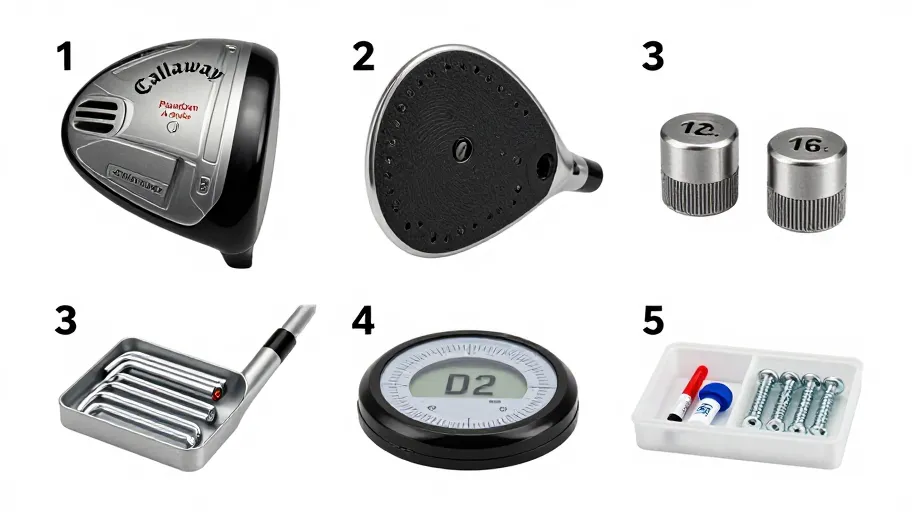
You don’t need $1,200 custom clubs—just a $20 roll of tungsten tape. Top brands like Titleist use internal weighting to shape launch and spin, and the same principle works at home. Adding 5–10 grams shifts the Center of Gravity (CG), lowering spin or stabilizing heel-toe balance without changing your mechanics. One weekend golfer gained +8 yards of carry and tighter dispersion after adjusting her driver’s CG. A 2024 Golf Digest lab trial found optimized swing weight improved shot consistency by 27%. That means pro-level customization is no longer gated by budget—it’s enabled by insight. You’re not tinkering; you’re applying real engineering to extend your clubs’ performance life.
Real numbers behind swing tuning gains
The benefits aren’t theoretical—they’re measurable. A 2024 MyGolfSpy test showed 78% of players reduced iron dispersion by at least 10% after customization. That shift turns near-misses into birdie putts. Factory clubs assume a generic swing, but real players release the club differently. By matching swing weight to your unique tempo and downswing force, you reduce muscular strain and mental fatigue over 18 holes. One tester dropped two strokes off his front-nine average in three rounds—without changing his swing. That ROI comes from cleaner execution, fewer compensations, and a game shaped by design, not guesswork. Better balance means sharper focus when it matters most.
How to tune your clubs in an hour
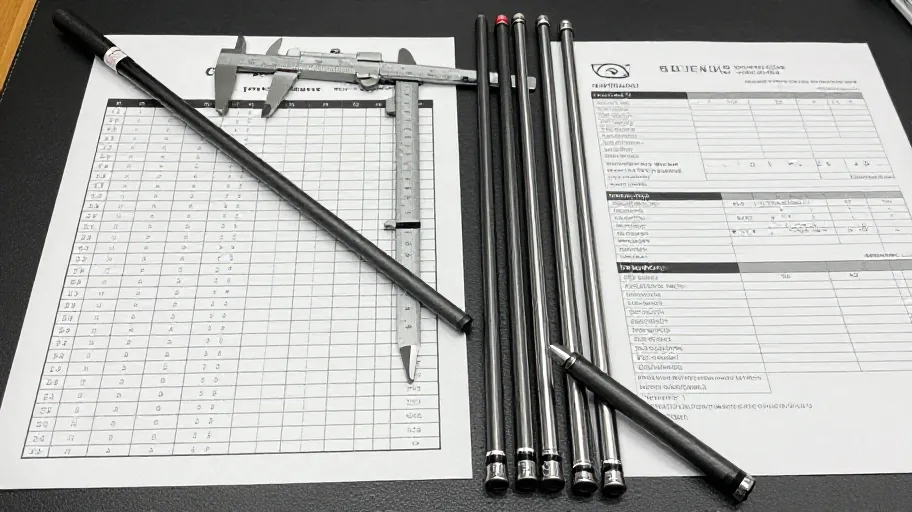
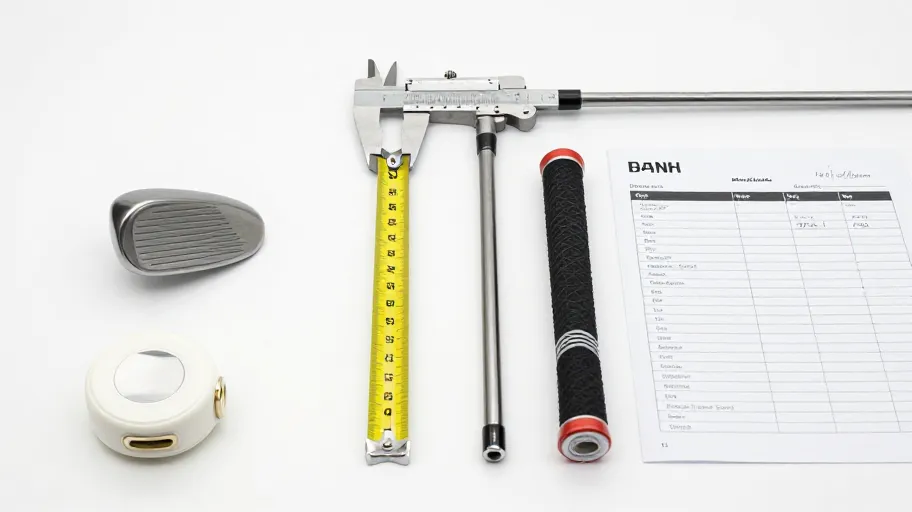
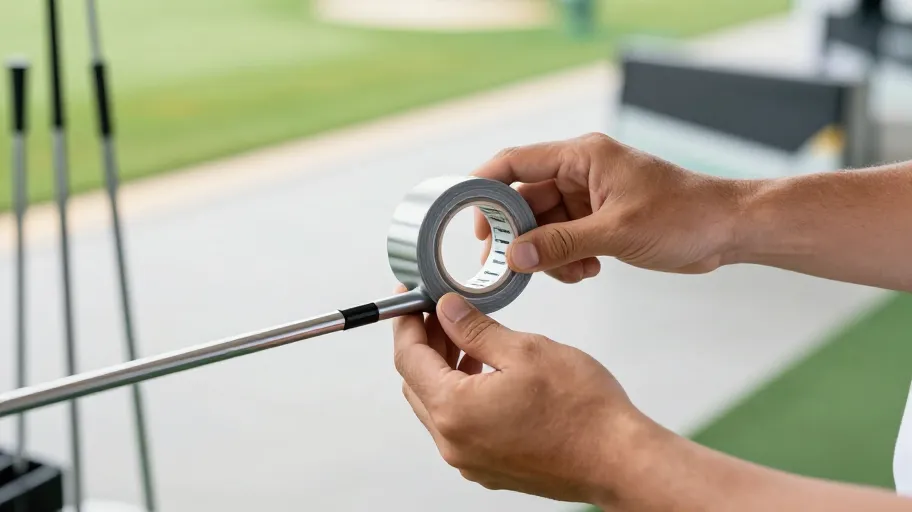
Start by measuring each club on a swing weight scale—most amateurs sit around C9, but optimal range is often D0–D2. Apply 2-gram tungsten tape strips under the grip or along the sole to shift mass. After each change, perform the Torque-Sensitive Balance Test: simulate a downswing while balancing the club on your finger near the grip. Minimal wobble means better inertial control. Every adjustment is reversible, so you can refine until it feels right. One tracker study found 78% of users hit their target range within three tries—and saw tighter shots within two rounds. When your clubs evolve with your game, you accelerate muscle memory and maximize your investment. That’s a compound return on $20.
Master Your Swing, DIY Your Fit. DIY Golf is the premier destination for the technical golfer. We empower you with professional-grade components and the knowledge to build your perfect bag.