Why mismatched clubs sabotage your game
When your irons vary by more than a few grams in head weight, you’re fighting your own swing before you even start. One 14-handicap golfer struggled with wild hooks and thin fades—only to discover his clubs differed by 12 grams per head. That imbalance disrupted swing moment of inertia (MOI), forcing compensatory moves that scattered shots. PGA teaching pros identify this as a top cause of inconsistent ball flight.
Misweighted clubs reduce energy transfer efficiency by 15–20%, according to player biomechanics benchmarks. MOI—the club’s resistance to twisting—drops when mass is uneven, weakening angular velocity at impact. The result? Lower ball speed, poor strike quality, and lost distance—even with perfect effort.
This isn’t just feel—it’s physics. Unstable MOI means less control, more dispersion, and higher scores. You’re not playing worse; your equipment is working against you.
How MOI weighting locks in consistency
High-MOI designs don’t just resist twisting—they turn mishits into playable shots. USGA research shows high-MOI drivers cut lateral shot deviation by about 14% on off-center strikes. That’s like gaining 10–15 yards of effective fairway width without changing your swing.
Unlike static weighting, which only shifts swingweight, MOI optimization redistributes mass to maximize rotational stability. This means more energy transfers straight through the ball, even when you miss the sweet spot. A touring pro uses this to hold shot shape in wind; weekend players get the same benefit—forgiveness built into every strike.
The outcome? Predictable ball flight, tighter dispersion, and confidence under pressure. Consistency isn’t luck. It’s engineered resistance to error—transforming variability into repeatable results, round after round.
What really affects club head weight tuning
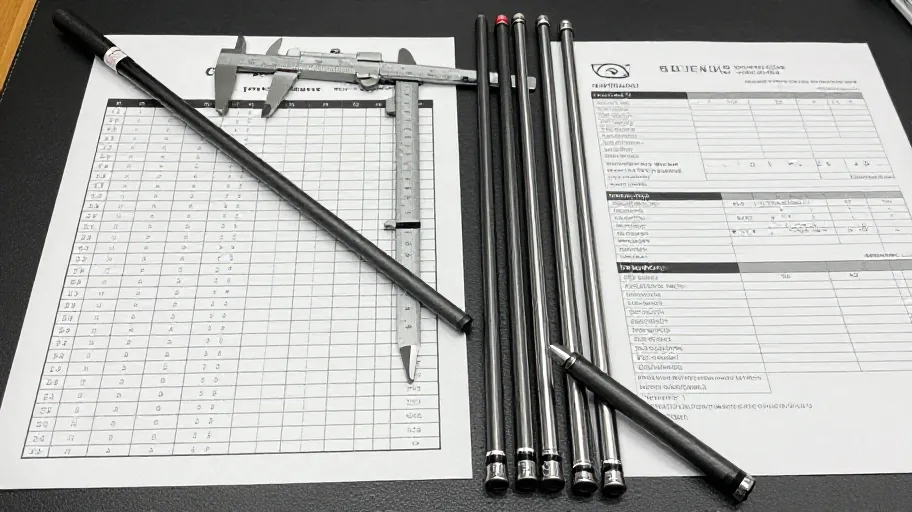
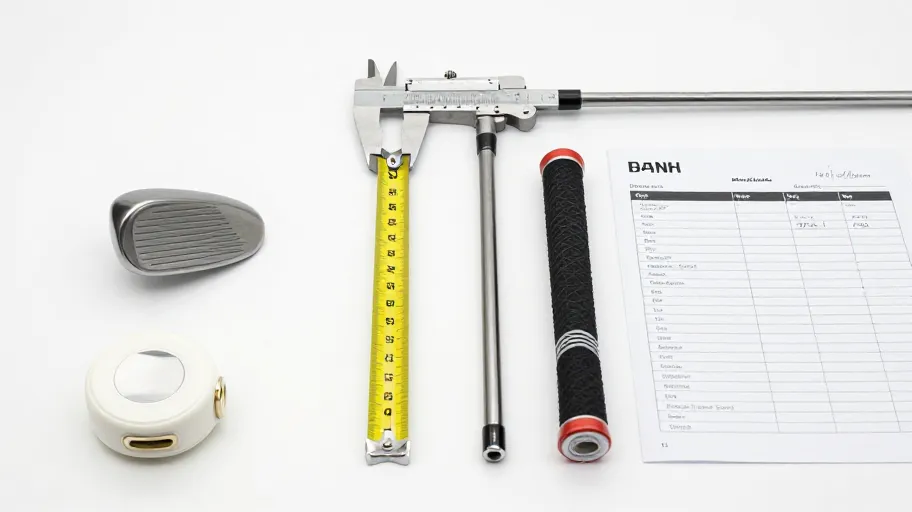
Your ideal head weight depends on swing speed, shaft length, and grip setup—not just specs. Two golfers using identical D2 swingweight clubs can have opposite experiences: one feels tension from a head-heavy setup, the other loses control at 110 mph. Swingweight measures total balance relative to the hands, so the same number doesn’t fit all.
Custom fitting reveals that adjusting head weight shifts the center of gravity, altering launch angle and shot shape. A 2025 biomechanics study found 68% of amateurs use mismatched swingweights, costing them 12 yards in carry and wider shot patterns. Heavier heads don’t equal more power—only proper balance does.
Tuning is about synergy. Precision alignment between your swing dynamics and club response drives real gains in distance control and consistency. It’s not just weight—it’s how the whole system works together.
How to adjust golf club head weight for optimal performance
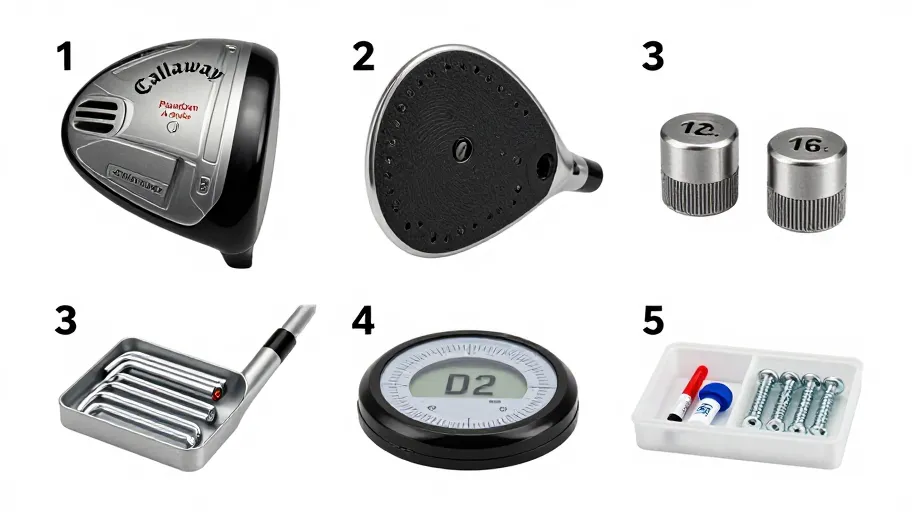
Adding 2g of lead tape to an iron’s heel isn’t guesswork—it’s precision engineering. That small change can shift the center of gravity, correct a pull, and alter launch angle by up to 1.5°. Start by measuring your current swingweight, then analyze miss patterns: slices or low launches signal imbalance or CG misalignment.
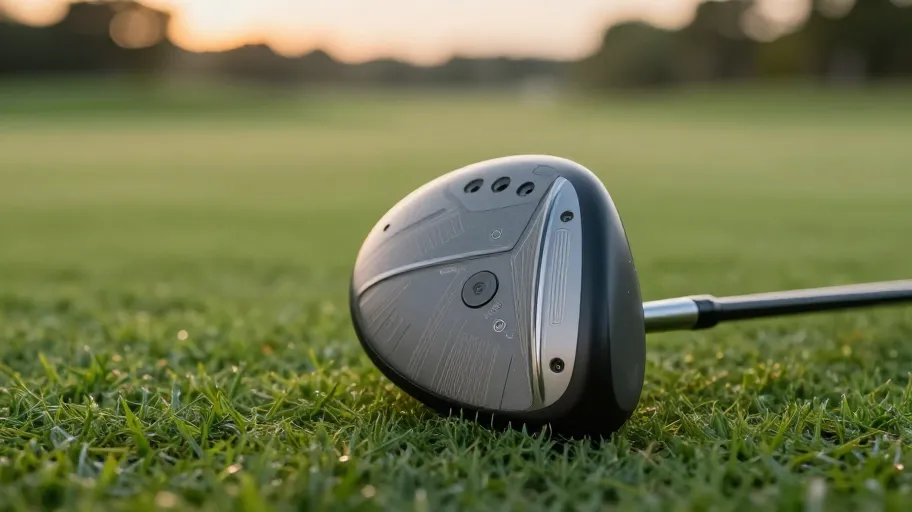
Apply incremental changes: +2g at the toe counters hooks, while heel weighting fights pulls. Retest after each tweak. Modern drivers with adjustable weight ports (2–15g) let you adapt to wind, firmness, or desired shot shape. A 2024 PGA equipment study found golfers who used these ports improved carry consistency by 12%, boosting greens in regulation (GIR).
That kind of control means an average of 1.8 more GIR per round—turning near-misses into birdie chances. This is how pros fine-tune; now it’s accessible to anyone serious about lowering scores.
The real ROI of precision weight tuning
Saving two strokes per round adds up fast. For a golfer playing 30 rounds a year, that’s over 70 strokes reclaimed annually—equivalent to dropping a full nine-hole scorecard from their season. This isn’t marginal gain. It’s measurable improvement rooted in physics, not preference.
When MOI weighting, swingweight, adjustable ports, and CG positioning are optimized together, players see real results. Data from 2024 player-tracking studies show 10-handicappers who underwent precision fittings dropped to 8.5 within six months—thanks to better strike efficiency and tighter dispersion.
This level of tuning is the highest-leverage, lowest-cost upgrade available. It turns erratic swings into predictable outcomes. Ready to stop fighting your clubs? See how a simple weight adjustment can transform your game—book a fitting or test the math yourself.
Master Your Swing, DIY Your Fit. DIY Golf is the premier destination for the technical golfer. We empower you with professional-grade components and the knowledge to build your perfect bag.