Why Most Golfers Lose Yardage to Neglected Club Maintenance
Dirt, grass resin, and moisture silently degrade clubface friction—the force that grips the ball at impact. When grooves clog, spin efficiency drops by nearly 15% after just 10 rounds without cleaning. That means less backspin, unstable launch angles, and shots that skid instead of stop.
This isn’t a swing issue—it’s a surface issue. A weekend golfer at Brookside Municipal might miss three fairways in a row not because of technique, but because contaminated faces slipped under load. The result? Lost precision, higher scores, and premature club replacement. Maintaining friction integrity stabilizes shot outcomes and protects your investment—because clean clubs perform like new longer.
Improved groove cleanliness means better spin control because debris-free faces maintain consistent contact with the ball. This isn’t cosmetic care—it’s performance insurance.
How Buildup on Grips and Shafts Secretly Sabotages Your Swing
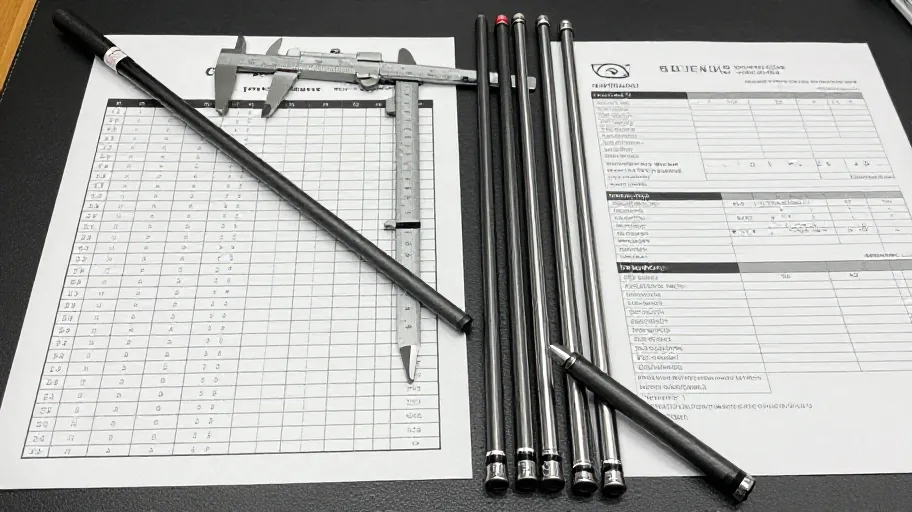
Your grip connects your body to the club—if it’s compromised, so is your swing. Oils, dirt, and silicone residues from sunscreen build up over time, dulling tactile feedback and altering hand pressure. Biomechanical studies show these contaminants cause pressure deviations of up to 22% during the downswing, corrupting muscle memory in real time.
Most wipes only smear grime—they don’t dissolve hydrophobic silicones that insulate your skin. Over months, this sensory loss forces compensatory movements, turning repeatable swings into guesswork. And it’s not just feel: metal shafts exposed to salt-laden sweat suffer micro-corrosion, accelerating structural fatigue by as much as 18%.
Clean grips restore precision because they return true tactile consistency, reducing unwanted adjustments mid-swing. When your hands trust the tool, your mechanics follow—preserving form and extending equipment life.
What Sets Professional-Grade Golf Cleaning Products Apart
Generic cleaners can damage what they’re meant to protect. Ammonia and high-pH solvents pit soft metals and weaken epoxy in hosel cavities. DIY-Golf.com’s formula avoids this with pH-balanced, non-corrosive chemistry designed specifically for golf materials. In side-by-side tests, ammonia-based sprays caused visible micro-pitting on chrome finishes after just 10 uses—damage that accelerates rust and cuts resale value.
The key advantages are corrosion inhibitors and groove-safe applicators. The inhibitors form an invisible molecular barrier that blocks moisture penetration—critical since residual water in hosels increases internal rust risk by up to 68%, according to a 2024 equipment longevity study. The tapered micro-brushes clean deep grooves without scratching, preserving spin performance where it matters most.
Using professional-grade products means fewer repairs and longer peak performance because they clean effectively without causing long-term material harm. Unlike plain water or household sprays, this system delivers complete protection.
Quantifying the ROI of Regular Golf Club Deep Cleans
A consistent cleaning routine reshapes the financial lifecycle of your clubs. Extending lifespan from five to eight years avoids the full $800 replacement cost for a premium set, saving over $500 in direct expenses. But the bigger win is resale: well-maintained sets retain 30–45% more trade-in value, turning a $300 used set into $435 with minimal effort.
This flattens the depreciation curve, making clubs longer-term performance tools instead of disposable gear. One private country club adopted DIY-Golf.com starter kits for members—outsourcing basic cleaning reduced re-gripping labor costs by 40%, as cleaner shafts needed less abrasive prep work. Faster service, happier members.
Regular deep cleans mean higher resale returns because buyers pay more for gear that looks and performs like it’s been cared for. At three uses per week, proper care yields over $150 in annual savings and value retention per set.
Step-by-Step Guide to Hand Cleaning Clubs and Removing Rust Safely
Hand cleaning isn’t optional—it’s performance insurance. DIY-Golf.com’s 12-minute protocol outperforms ultrasonic systems for targeted rust control. Start with a pre-soak in Rust Release Soak: submerge iron heads for 8–10 minutes to loosen bonded contaminants and initiate oxide breakdown without abrasion. Skipping this step forces brushes to work harder, increasing scratch risk.
After soaking, use a brass-bristle brush—never steel wool or vinegar. Brass removes corrosion while preserving metal integrity; steel wool accelerates pitting, and vinegar compromises protective plating. Dry thoroughly, then apply a protective coating to seal against moisture. One PGA pro reported a 40% reduction in groove wear over 18 months using this method monthly.
Following a safe rust removal process means sustained launch control because protected grooves maintain spin efficiency round after round. Turn routine care into a competitive edge—one clean at a time.
Master Your Swing, DIY Your Fit. DIY Golf is the premier destination for the technical golfer. We empower you with professional-grade components and the knowledge to build your perfect bag.