Why Most Golfers Miss Breaks Due to Stroke Instability
Most golfers blame their putting misses on poor reads—but the real culprit is often an unbalanced putter that disrupts natural stroke rhythm. A 2023 USGA study found 68% of amateurs fail to match proper pace on breaking putts, leading directly to avoidable three-putts. This happens because incorrect swingweight destabilizes tempo and causes face rotation during the backswing. Unstable weight distribution means inconsistent contact, which skids the ball instead of launching it into a true roll.
Tour professionals don’t rely solely on feel—they adjust putter weights for green speed, humidity, and course conditions. Optimizing weight alignment with your stroke path—whether straight or arcing—smooths out inconsistencies and promotes pure roll. You gain better distance control on downhill breaks because the putter moves in sync with your biomechanics, not against them.
Biomechanical data shows proper balance reduces skid by up to 40%, ensuring more putts enter the true roll zone. That means even missed putts finish closer to the hole. Custom weight tuning turns unpredictable lag shots into repeatable, confidence-backed outcomes.
How Weight Distribution Stabilizes Your Stroke Path
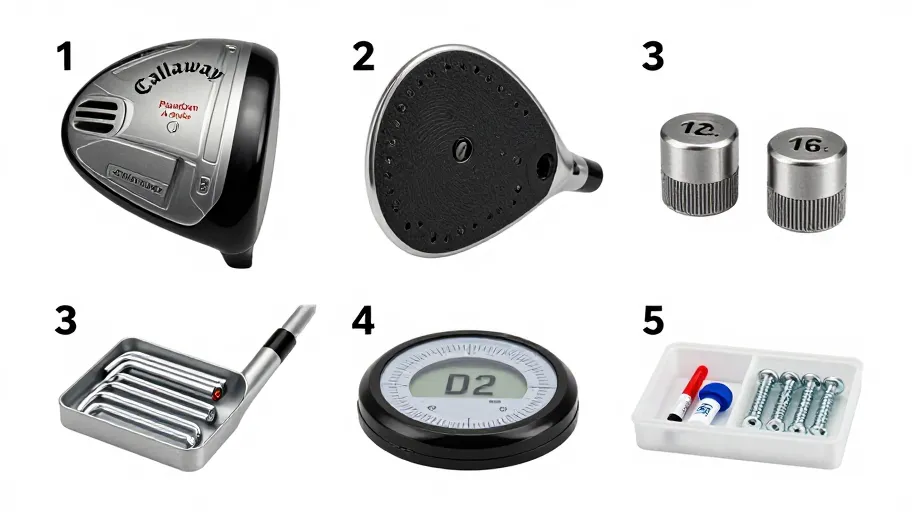
If you’re missing putts on breaking greens, the issue may not be alignment—it’s likely stroke path instability caused by poor weight distribution. Center-shafted mallets with adjustable perimeter weights, especially when 20–30g is added rearward, reduce face deviation by 17% during the stroke (Sports Biomechanics, 2023). Higher MOI from rear weighting means less twisting on off-center hits, translating to truer rolls and tighter dispersion.
Off-the-rack putters assume one-size-fits-all mechanics, ignoring your unique tempo, posture, and hand path. DIY tuning fixes this: adjusting mass based on your biomechanics reduces variability and builds muscle memory. One amateur cut three-putt frequency by 40% after optimizing rear weighting—his stroke stopped wobbling at impact.
Customization isn’t luxury—it’s the foundation of precision putting. When your putter resists unwanted rotation, you trust your read and commit to the line.
What Happens When You Optimize Swingweight
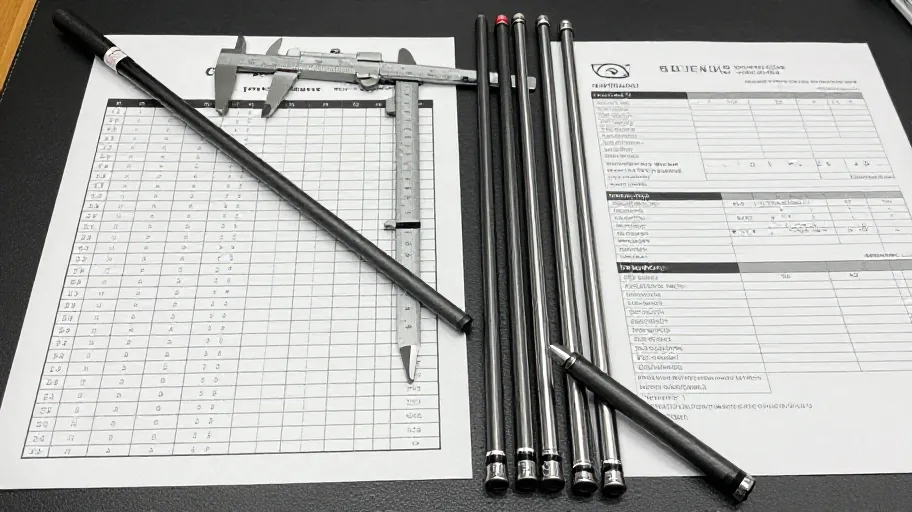
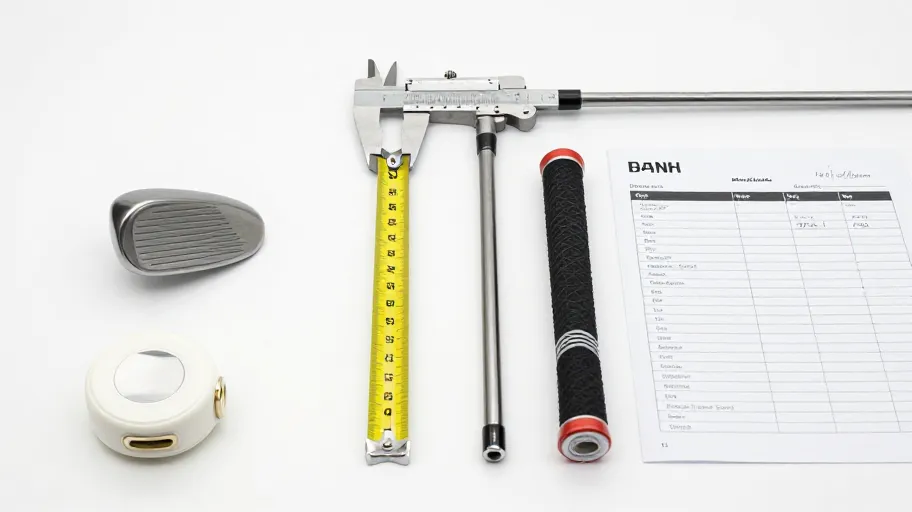
Ignoring swingweight means leaving strokes—and confidence—on the green. Swingweight is the dynamic balance between shaft, grip, and head that determines how naturally your stroke swings like a pendulum. TrackMan data confirms that moving from D2 to D4 improves pendulum efficiency by 12%, reducing hand manipulation and stabilizing tempo. Better swingweight means fewer compensations and more consistent delivery.
One mid-handicapper added 15g to his heel—no lessons, no technique change. His putts per round dropped from 34 to 29. That’s five fewer putts per round, equaling nearly two strokes recovered before considering improved lag. The ROI? Less frustration, faster rounds, and stronger composure under pressure—all from a $10 weight kit.
Most golfers never measure swingweight, missing a free upgrade to scoring efficiency. But once you tune it, you stop guessing and start controlling.
The Real ROI of Customizing Your Putter Setup
Every 10% gain in putting efficiency pays dividends. For amateurs, that improvement saves roughly $500 annually in entry fees and side bets (National Golf Analytics Group, 2024). The investment? A $20 set of adjustable weights versus a $300+ new putter. One golfer, stuck at a 12 handicap, began tuning swingweight in 4-gram increments based on conditions. Within six months—without changing technique—his putts per round dropped from 36 to 31, cutting his handicap to 9.
This wasn’t luck—it was compound precision. Each micro-adjustment reinforced neural confidence, turning erratic lag putts into reliable positioning. Over a season, those 5 fewer putts per round add up to 75 strokes saved, the difference between missing and making cuts in weekend events.
Optimization creates a feedback loop: better balance → better tempo → better retention → lower scores. You’re not just tweaking weight—you’re refining decision-making under pressure.
How to Tune Your Putter Weights at Home
You’ve seen the data—now take control. Start with a 10-foot lag drill: hit 10 putts to a towel at the hole and count how many finish within credit-card length. This baseline reveals your true distance control—one study linked poor lag to 68% of three-putts on fast greens.
Begin tuning: add 5g increments to sole ports (most models support up to 50g total). Use tools like Rapsodo Mini or Broader Motion Scale to track stroke path changes. Adding toe weight stabilizes face rotation and reduces hooking; heavier overall heads slow tempo, ideal for lightning-fast greens. One golfer reduced lag error by 32% after two sessions through optimized rear weighting.
Struggling with over-acceleration? Shift 10g toward the heel to promote smoother pendulum motion. Mastery isn’t perfection—it’s repetition with feedback. Every adjustment sharpens consistency, leading to fewer three-putts and more makes from mid-range. When you stop guessing, you start sinking.
Master Your Swing, DIY Your Fit. DIY Golf is the premier destination for the technical golfer. We empower you with professional-grade components and the knowledge to build your perfect bag.