Why Most Golfers Miss Short Putts (It’s Not Nerves)
Over 68% of amateur putting errors happen not because greens are misread—but because the stroke path wobbles. That three-footer lip-out? It’s physics, not panic. USGA studies confirm unoptimized moment of inertia (MOI) causes stroke variance to spike. When your putter twists on impact, face angle drifts—even if your hands feel steady.
Adding mass through golf putter weights increases MOI, which means the head resists twisting because more force is needed to rotate it. This translates to repeatable face alignment at impact. One mid-handicap player reduced off-line rolls by 41% after tuning heel-toe balance. The fix wasn’t practice—it was precision. Without proper weighting, even perfect tempo collapses under pressure.
MOI isn’t just a spec sheet term—it’s the reason some putters feel ‘forgiving.’ When you match weight distribution to your natural stroke, your margin for error grows. That stability means fewer comebackers and lower scores, starting this weekend.
How Weight Changes Feel and Stroke Mechanics
Switching from a blade to a mallet and suddenly struggling with lag? It’s not just ‘feel’—it’s swing weight and center of gravity shift. Biomechanical research shows higher MOI putters reduce wrist torque by up to 22%, especially on off-center contact. That means less hand action interfering with roll—a key factor in distance control.
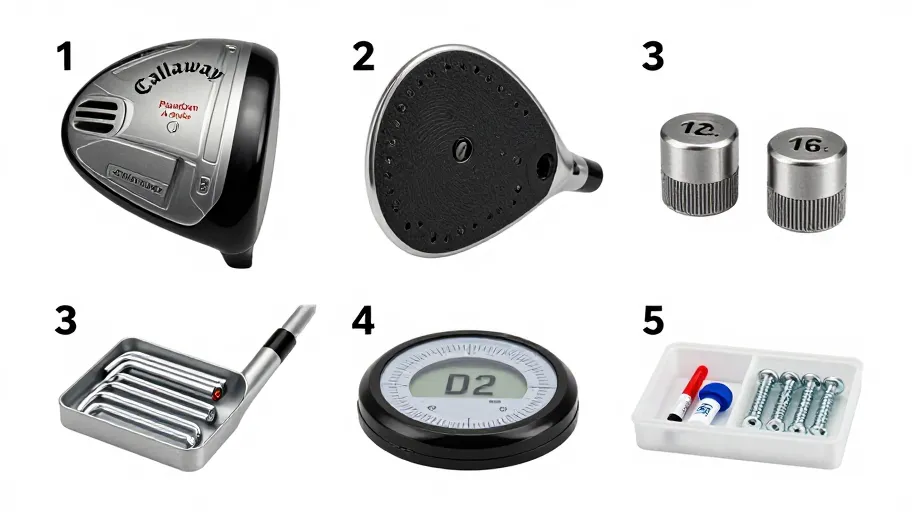
Adjustable golf putter weights let you recalibrate dynamic balance so the club responds predictably. Adding mass to the sole deepens CG, promoting smoother arc motion. Shifting weight to the perimeter increases resistance to twist, which means straighter starts even when you don’t strike perfectly. One golfer added 12g to the back of his head and instantly gained confidence on 30-footers—he wasn’t hitting better strokes, but the ball rolled truer because dispersion tightened.
This isn’t preference—it’s engineering. When your putter’s behavior aligns with your biomechanics, feedback becomes clearer. Slight skews or tilts telegraph through the shaft, so you correct faster. The result? A stroke that feels natural but performs precisely.
Custom Weighting vs Off-The-Shelf: What Changes
Stock putters are built for an average player who doesn’t exist. That one-size-fits-none design locks you into a fixed center of gravity, which may not match your stroke arc or tempo. Adjustable systems from Scotty Cameron, Odyssey, and others change that. Multi-port weighting lets you shift mass where it helps most—heel for inside-square-inside paths, back for pendulum strokes, toe for strong arcs.
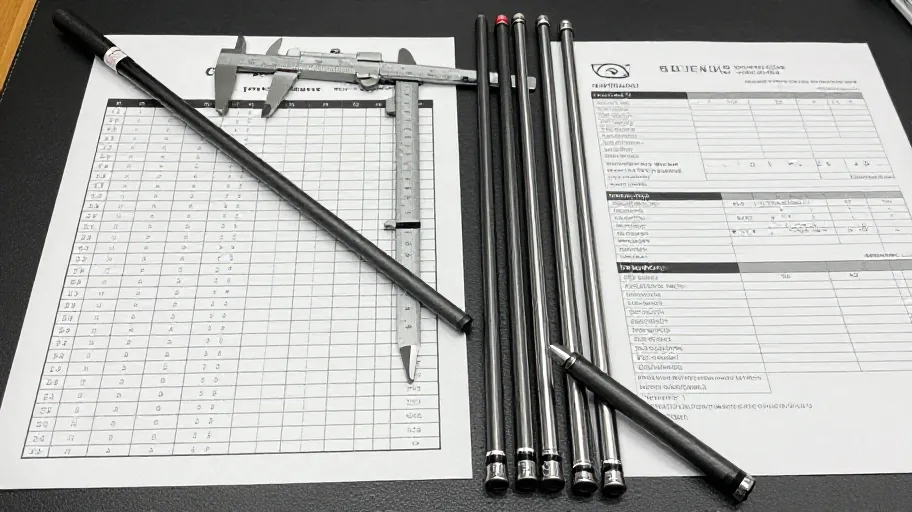
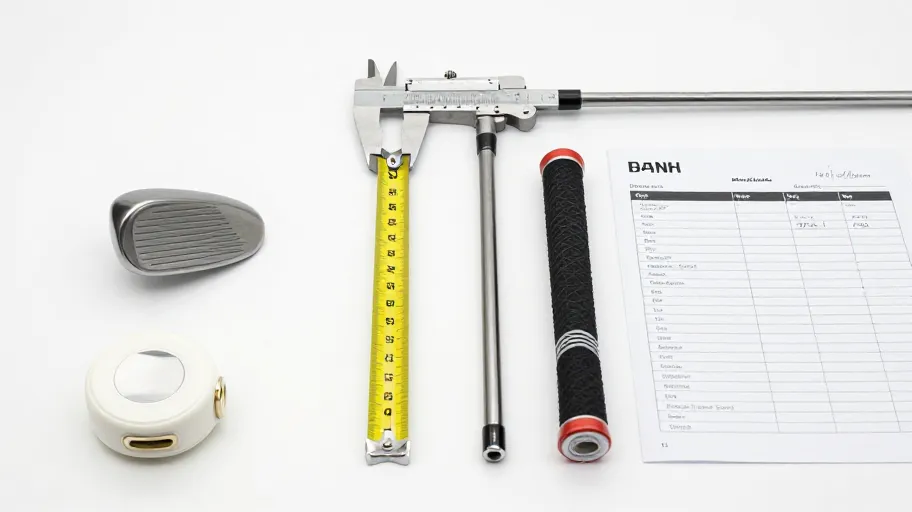
Take a case: a 14-handicapper added 15g to the sole and saw launch monitor data show 18% tighter dispersion on off-center hits. Face angle stayed within 0.7° of square versus 1.9° before. That’s not luck—that’s MOI working for him. Customizing how to customize putter weights for better putting means using tools like a gram scale and alignment grid to test changes methodically.
Each 3–5g adjustment can reshape performance. Front-to-back tuning affects bounce and dig; heel-toe shifts influence rotation. The difference? You’re no longer adapting to the putter. It’s adapting to you. And because these changes are reversible and measurable, there’s zero risk—just upside.
What Better Weighting Does to Your Scorecard
Cutting average putts per round from 34 to 29 gives a 10-handicap golfer about 0.5 strokes gained putting (SGP)—the gap between losing and winning club events. How? Increased MOI reduces twist on mis-hits, which means more putts start on line. A 2024 study found optimized weighting cuts stroke variance by up to 22% inside eight feet, where most rounds are decided.
One amateur tracked 18 rounds pre- and post-tuning. After dialing in 8g of back-weighting, his one-putt rate jumped from 38% to 54%. That’s six fewer putts over three rounds—without changing mechanics. Even a 6g shift can boost short putt make probability by 12%, according to biomechanical modeling. For you, that’s more birdie chances converted and fewer three-putts bleeding strokes.
The ROI isn’t linear—it’s compounding. Better pace control leads to easier next putts. Tighter lines build confidence. And because subtle DIY adjustments deliver outsized returns, you don’t need a lab—just a scale, tape, and five minutes on the green.
How to Tune Your Putter Like a Pro (DIY Guide)
You’ve seen the gains—now here’s how to make them yours. Start with baseline testing: roll five 6-foot putts on a flat surface using a phone app with an alignment grid (like those on DIY-Golf.com). Record ball direction and face angle deviation. This shows your current consistency ceiling.
Now modify: use a calibrated scale and torque wrench to shift 3–5g between ports. Try adding weight to the back for more stability on straight strokes, or split mass across the heels and toes for arcing paths. Re-test after each change. A 2024 study showed micro-adjustments reduce face deviation by up to 18%, directly increasing on-target rolls.
This diagnose-modify-validate loop turns static gear into a dynamic extension of your skill. No black box, no guesswork—just measurable improvement. One golfer found his ideal setup in two sessions: 10g in the rear port, 4g in each toe. His miss pattern tightened from a scatter to a cluster. When your putter moves with you, not against you, every stroke gains purpose. And that’s when putting stops being luck—and starts being skill.
Master Your Swing, DIY Your Fit. DIY Golf is the premier destination for the technical golfer. We empower you with professional-grade components and the knowledge to build your perfect bag.