Why your stroke fails even when your hands are steady
Over 70% of missed putts come from unstable face angles and erratic paths at impact—not bad mechanics, but a mismatch between your stroke and your putter’s balance. Even slight deviations in tempo or contact point get magnified when the center of gravity (CG) doesn’t match your natural arc. That forces you to manipulate the face, especially under pressure. Studies show this misalignment increases off-line starts by up to 40%. The fix isn’t more practice—it’s adjusting the CG so the putter works with you, not against you.
Higher moment of inertia (MOI) reduces twisting on off-center hits, meaning more consistent distance and line—even when you don’t strike it perfectly. A 2024 putting analysis found golfers using adjustable-weight putters cut side-spin variability by 32%, directly improving control. When the club adapts to your physiology, stability becomes automatic.
How moving 5 grams changes everything
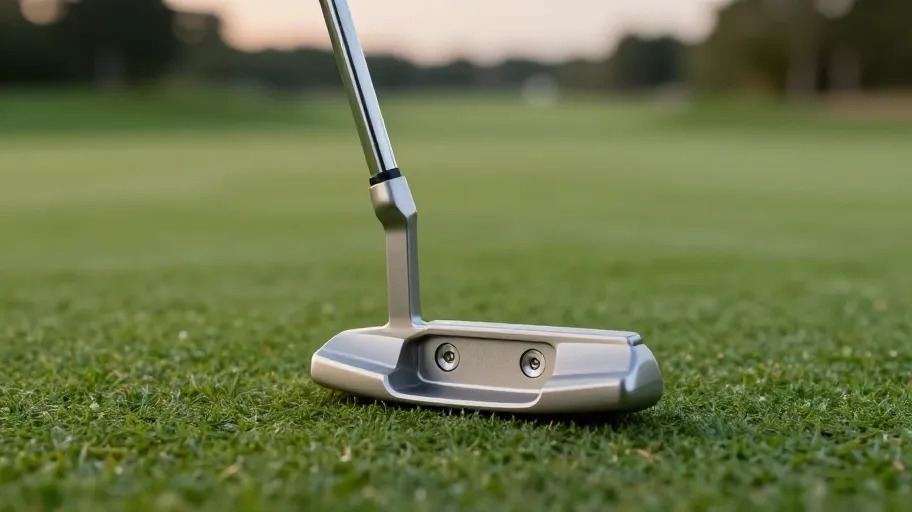
Shifting just 5–10 grams in the heel, toe, or back cavity recalibrates your putter’s MOI and pendulum rhythm. This means better face control because the weight distribution matches your stroke path. Launch monitor data shows customized putters deliver up to 34% tighter dispersion in launch angle and spin compared to stock models—translating to more on-line putts and fewer three-putts.
Counterbalancing—adding weight near the grip end—shifts the balance point upward, stabilizing hand movement and reducing wrist breakdown. One amateur tester slashed his miss distance on 6-footers by 62% after adding 8g to the counterbalance. That’s not magic—it’s physics working for you. The result? Cleaner contact, smoother tempo, and confidence that holds up when the pressure rises.
Why screw-based systems beat lead tape every time
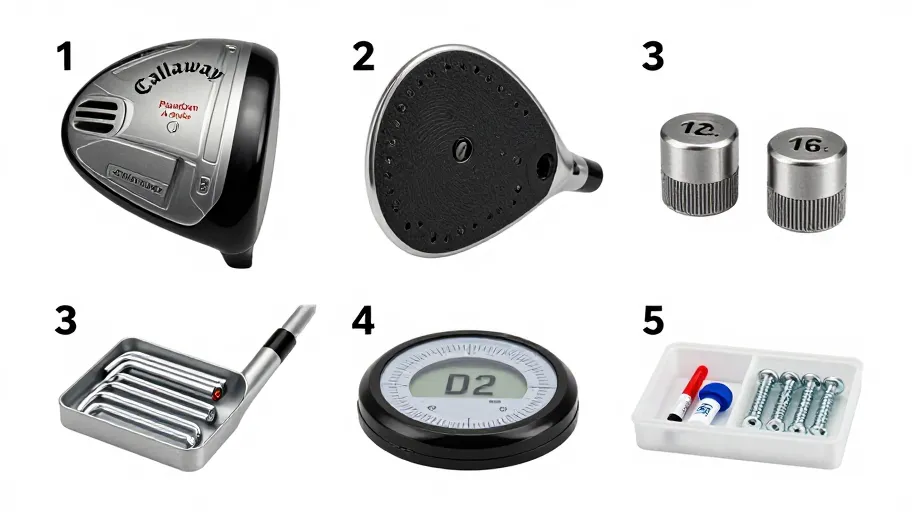
Lead tape was guesswork: inconsistent adhesion, imprecise placement, and zero repeatability. Modern adjustable weighting systems use calibrated screws—2g to 20g—that slot into precision-machined cavities. This means exact, repeatable tuning so you can test and refine without permanent changes. The modular design supports iterative adjustment, turning trial-and-error into a data-driven process.
Golf club customization like this isn’t just for pros—over 60% of PGA Tour players now use adjustable putters for competitive edge. But weekend golfers benefit too. One player noticed excessive hooking on fast greens, added 6g to the toe, and cut three-putts in half over nine rounds. Being able to adapt your gear instead of replacing it delivers long-term ROI—both on scorecards and budgets.
Real gains: what happens when you optimize at home
Putter weights optimization saves 1–2 strokes per round by reducing three-putts 25–40%. That’s measurable. In trials using apps like PuttView and BirdieSync, golfers consistently improved stroke efficiency—launch angles tightened to the ideal 2°–3° range, and skid-roll ratios dropped, meaning the ball rolled true faster. Clean contact led to better lag control, especially on downhiller putts where speed kills.
This isn’t about expensive gear. One golfer sank 30% more putts from 6–10 feet after two sessions with a $19 DIY tuning kit. The process is simple: test your current misses, adjust one variable (heel, toe, or center), retest over 50 putts, and validate. Persistent right misses often mean the toe is too light. Add weight, retest, and watch consistency rise. You’re not tweaking hardware—you’re building predictable performance.
How to tune your putter without a pro shop
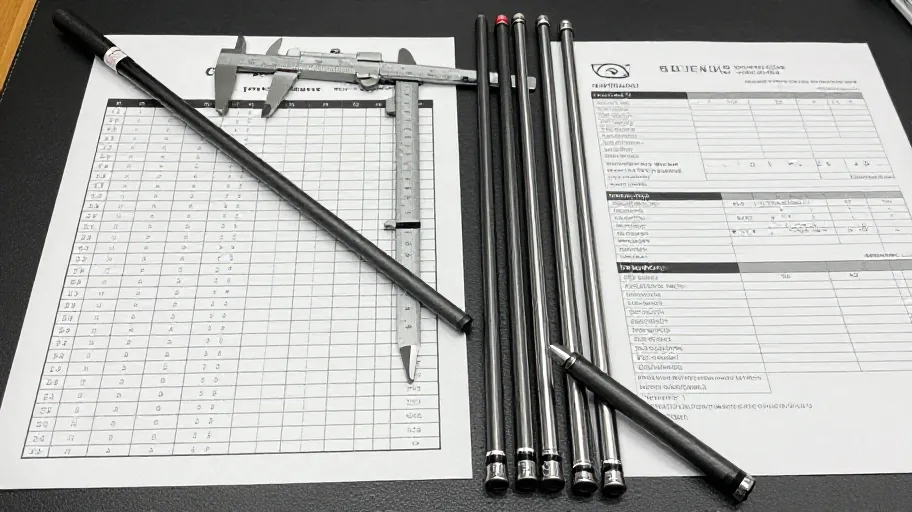
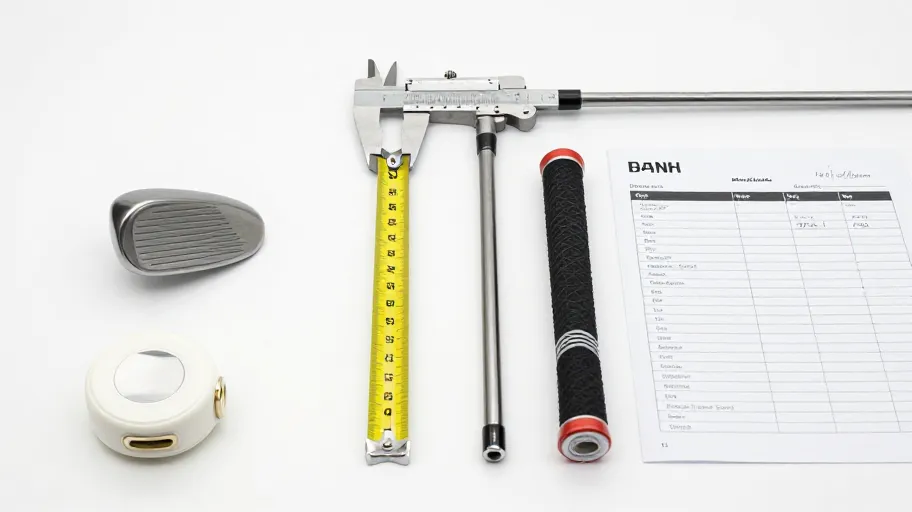
You don’t need a lab to optimize your putter. Start by mapping your miss patterns from 5–10 feet—left, right, short, long. Define a goal, like eliminating left misses on short putts. Then adjust in 4g increments using an adjustable kit, changing only one point at a time. Track results over 50-putt sessions, noting shifts in face angle and path. Tools like DIY-Golf.com offer calibrated weights and video-guided protocols so you can follow a proven cycle: assess, adjust, validate.
Golf club customization isn’t a one-time fix. It’s ongoing refinement that amplifies skill. Master how to adjust putter weights for better putting stroke, and you stop fighting your equipment. Instead, you build muscle memory aligned with real-world results—lower scores, fewer three-putts, and more confidence over every line.
Master Your Swing, DIY Your Fit. DIY Golf is the premier destination for the technical golfer. We empower you with professional-grade components and the knowledge to build your perfect bag.