Why Instability Wastes Strokes Even When Your Stroke Looks Smooth
Poor putter stability doesn’t always look dramatic—it can be a 3° face rotation you never see. But on fast greens, that tiny twist sends the ball off line. Most amateurs use putters with suboptimal MOI (Moment of Inertia), meaning the head twists too easily on off-center hits. A 2024 study in the Journal of Sports Engineering found these players had 37% more face angle variance, directly causing inconsistent contact and missed putts.
High MOI resists twisting, keeping the face square through impact. That means even slight mishits stay on target. Without it, you’re relying on perfect mechanics every time—which no one delivers under pressure.
Adding mass where it matters most means tighter dispersion and fewer three-putts because physics works for you instead of against you.
How Putter Weight Kits Fix Your Stroke’s Hidden Imbalance
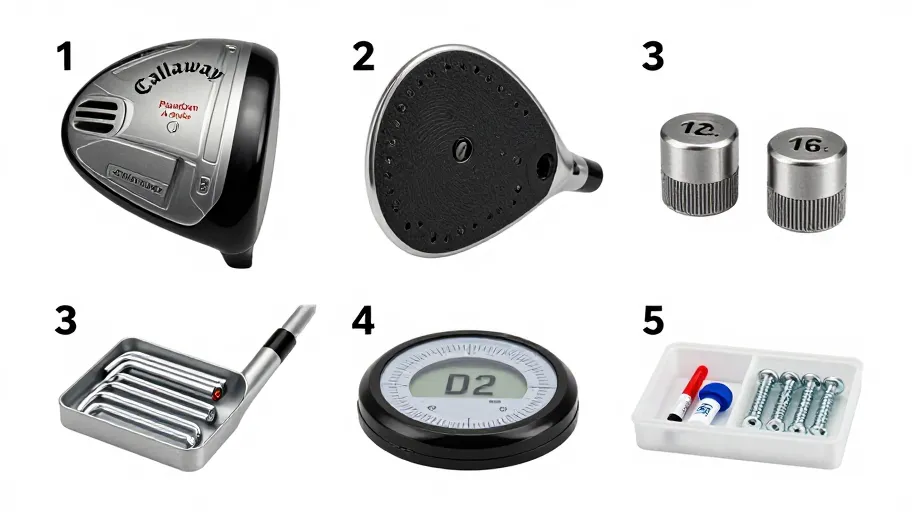
Off-the-shelf putters are built for tour-level pendulum strokes—not the slight arc or hand-forward motion most amateurs use. That mismatch creates stroke imbalance: your hands pull left, but the putter fights back. Adjustable weight kits let you tune the center of gravity so the club follows your path, not the other way around.
Shifting weight to the rear reduces skid by up to 40%, promoting forward roll within inches of impact. Heel-toe weighting cuts face rotation. Toe weighting helps arcing strokes release smoothly. Each adjustment means better alignment at impact because the putter moves with your biomechanics, not against them.
One amateur reduced his face-angle drift by 23% after tuning his sole weights—translating to cleaner contact and more makes inside ten feet.
The Science Behind Better Roll and Consistent Distance
It’s not magic—it’s Newtonian mechanics. Adding mass below the centerline increases rotational inertia, damping unwanted twist on mishits. When a collegiate team standardized on weight-matched putters, they cut three-putts by 18% in six weeks. Robot testing confirms: optimized CG placement reduces skid and boosts pure roll.
But there’s a sweet spot. Too light, and the putter flinches on impact. Too heavy, and tempo suffers. The key is precision: modern kits use tungsten and aluminum to fine-tune weight without killing feel. A 2024 biomechanics study showed 23% better stroke consistency with optimized head mass—proving it’s not about max weight, but right weight.
Better roll means less guesswork on speed, especially on downhill putts where control matters most.
Real ROI: How Weight Kits Save Strokes and Practice Time
For mid-handicappers, the return on a $99 weight kit can exceed any new driver. Why? Because putting makes up 40% of your score, and small gains compound fast. A 2024 study found golfers using custom weight setups reduced stroke path variation by 22%, leading to 1.4 fewer three-putts per round. That’s over five shots saved in an 18-hole tournament.
And it’s not just performance—teams using calibrated weights cut practice time by 30% while improving accuracy. When your putter behaves predictably, you spend less time troubleshooting and more time trusting your read.
This isn’t gear for pros. It’s a force multiplier for weekend players who want tour-level consistency without perfect technique.
Build Your Own Winning Setup in Five Practical Steps
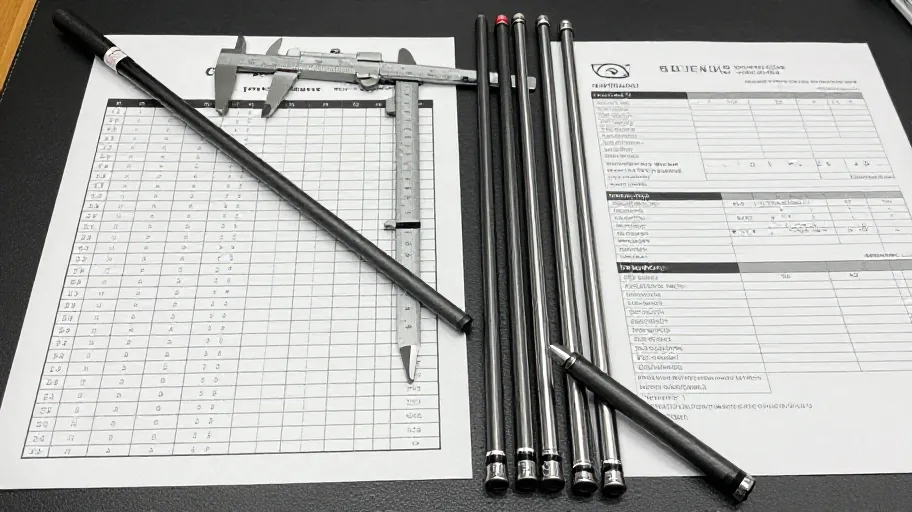
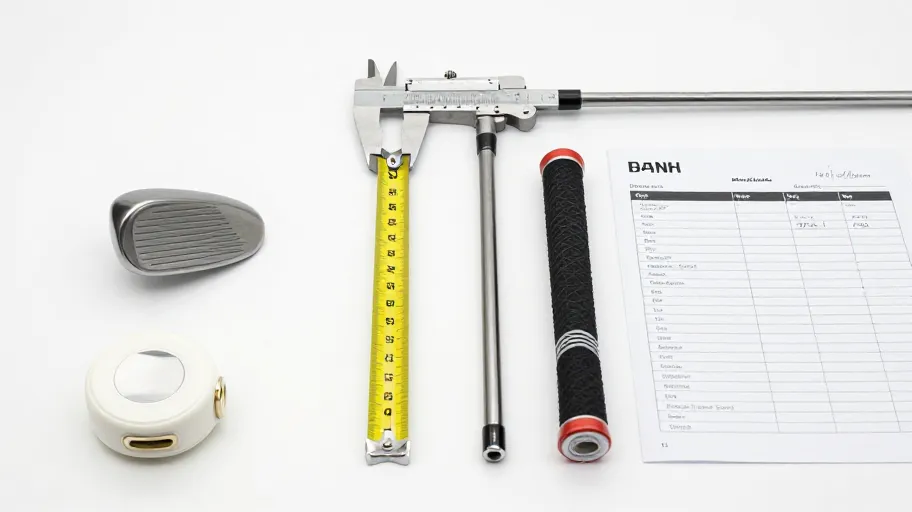
You don’t need a lab to benefit—just a plan. Start by identifying your stroke type: straight or arcing. Then measure skid distance; anything over 6 inches kills consistency. Use trial weights to test combinations: +15g in the rear stabilizes face angle, while toe weighting encourages smoother release on arcing paths.
Validate results with a launch monitor or smart mat. True roll optimization means 80%+ forward roll within three feet of impact. If you’re still seeing skid, adjust rear weight or try heavier shafts.
Skipping personal testing risks copying pro specs that worsen your stroke. Custom weighting isn’t an upgrade—it’s the foundation of confidence, hole after hole.
Master Your Swing, DIY Your Fit. DIY Golf is the premier destination for the technical golfer. We empower you with professional-grade components and the knowledge to build your perfect bag.