Why most golfers miss easy putts (and don’t know why)
Inconsistent strokes often stem from an unbalanced putter, not bad mechanics. When the center of gravity doesn’t align with your natural stroke path, small errors magnify under pressure. A weekend player lining up a 4-foot putt might have perfect alignment, yet still pull it left—because the putter fights their motion.
Premium PGA instructors measure stroke deviations over 1.8° in players using stock putters. That’s enough to miss a six-footer on fast greens. The fix? Adjusting mass distribution to increase moment of inertia (MOI). Higher MOI means less face rotation on off-center hits, tighter dispersion, and more predictable roll—even when contact isn’t perfect.
Adjustable weighting changes this equation. By tuning head mass, you sync the putter’s behavior with your stroke type. The result is smoother tempo, fewer misses, and measurable gains in conversion rates—especially on high-pressure putts.
How putter customization beats standard club fitting
Grip swaps or loft adjustments tweak fit, but only weight customization transforms dynamic balance and swing feel—the two factors that shape touch on the greens. Tour pros rely on this: one recently added 15 grams to his Scotty Cameron before the U.S. Open to handle Pebble Beach’s lightning-fast Bermuda greens.
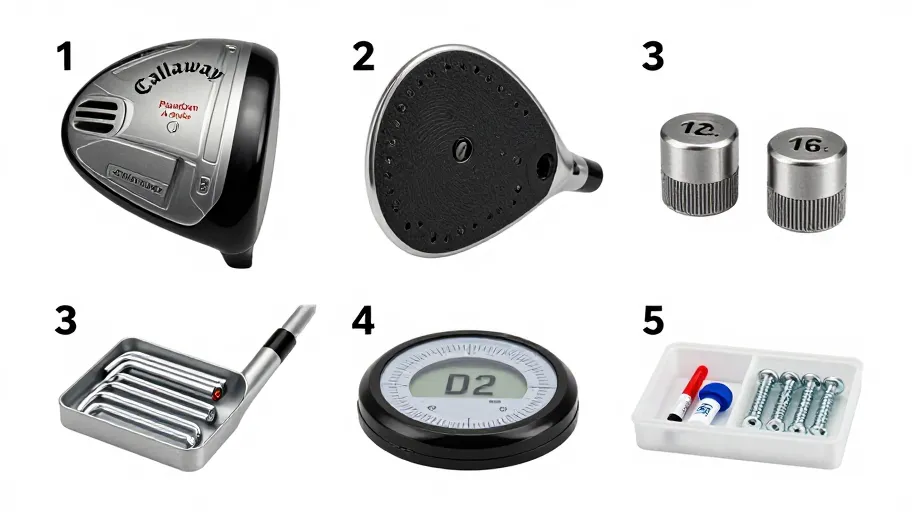
OEMs like TaylorMade, Ping, and Odyssey design models such as the Spider X and Toulon Design with adjustable ports from 5 to 50 grams. That range lets players shift the center of gravity (CG) precisely. Moving CG rearward improves forward roll—Odyssey’s 2024 robot testing showed a 12-gram shift boosted roll efficiency by 18% on long putts.
This edge isn’t just for elites. USGA-sanctioned studies show mid-handicappers cut three-putt frequency by 27% over 10 rounds using optimized weights. Tuning mass means better distance control because launch conditions match green speed and stroke type. You’re not just balancing a club—you’re engineering consistency.
How changing weights boosts real-world putting performance
Weight tuning doesn’t just improve feel—it directly enhances green-side results. One mid-handicapper reduced his average putts per round by 1.8 over eight weeks simply by optimizing head weight. No extra practice, just better inertia alignment.
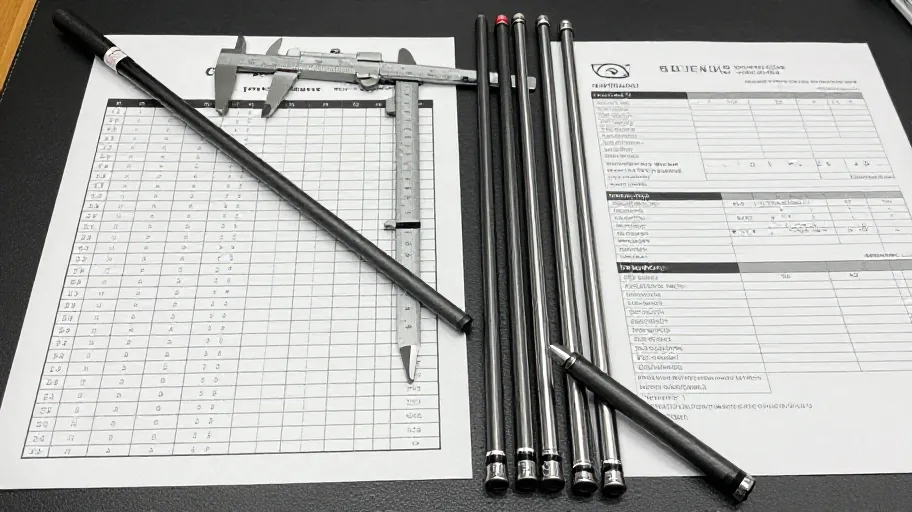
USGA biomechanical research confirms proper putter mass reduces stroke deviation by up to 22%, promoting cleaner paths and launches. Straight-back-straight-through strokes benefit from toe-weighted setups that enhance tracking. Arc swingers gain accuracy from heel-biased distributions that reinforce natural pivot dynamics.
When mechanics sync with mass, skid drops by as much as 40%. One amateur raised his 6–10 foot make rate from 58% to 73% after two fitting sessions. Over 100 rounds, that’s 15 fewer missed putts—and a scoring gain of 0.6 strokes per round. That kind of improvement compounds season after season.
What launch monitor data reveals about putter ROI
A 15% improvement in roll quality can save 1–2 strokes per round—enough to help a 12-handicapper break 90 consistently. Yet 70% of amateurs use putters with suboptimal weighting, according to club fitting lab data.
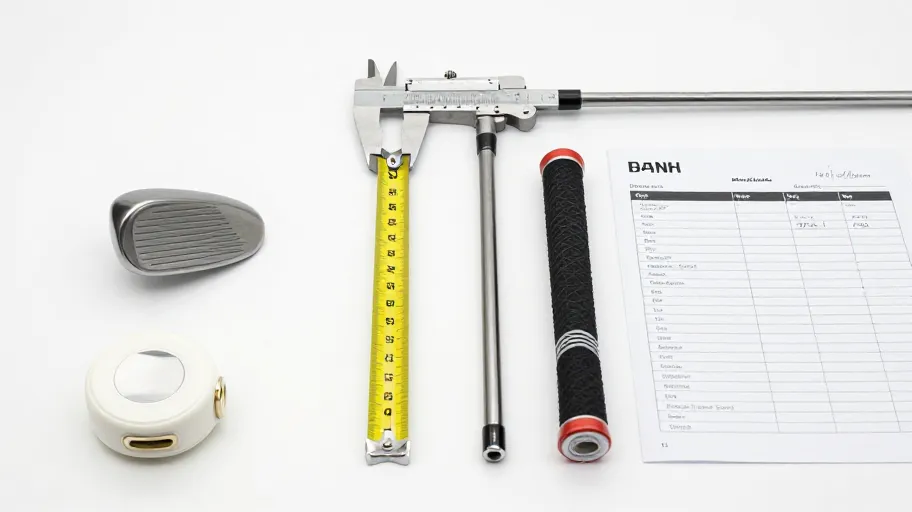
The turning point is objective feedback. Launch monitors track skid-to-roll ratio, showing how quickly a putt stabilizes into true roll. One pro shop used this data to adjust weights for 45 clients. Within three rounds, 82% showed improved roll efficiency.
Seeing measurable gains builds trust. Players who witness truer roll are more likely to invest in precision tuning. This blend of technical proof and visible results drives long-term loyalty—golfers return not just for adjustments, but for the competitive edge they deliver.
How to change putter weights without damaging your club
Most failed weight swaps happen due to over-tightening—a single misstep can strip a port and turn an upgrade into a repair. But done right, it’s fast, safe, and repeatable.
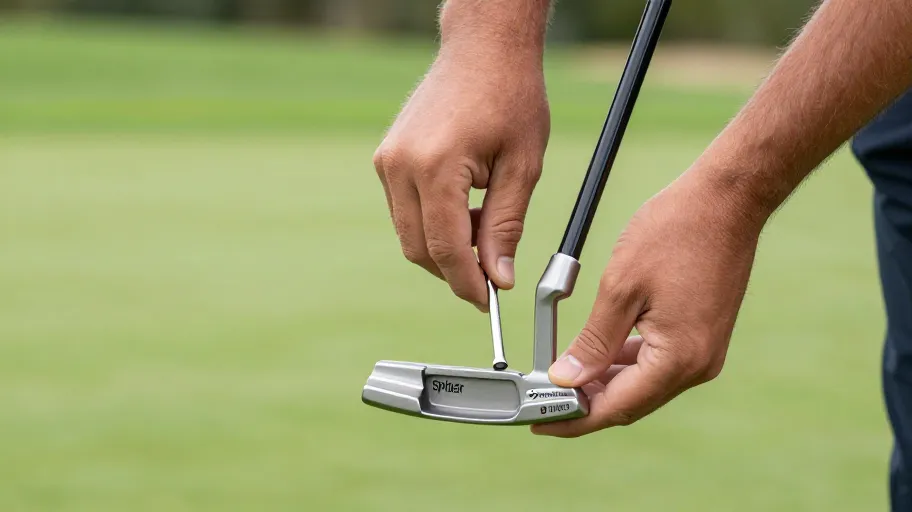
In a pro shop, technicians use a 4-inch hex key and torque screwdriver set to 4.5 in-lbs—the standard for aluminum screws in weight ports. Replacing two 10-gram tungsten weights with 15-gram ones on a TaylorMade Spider X takes under three minutes. Brands like Ping and TaylorMade engineer sealed, threaded chambers designed for hundreds of swaps.
Threadlocker is applied sparingly—to prevent vibration loosening, not to fix poor engagement. This non-destructive process preserves resale value and allows seasonal tuning. Precision tools plus smart design turn a simple swap into a lasting performance lever.
Master Your Swing, DIY Your Fit. DIY Golf is the premier destination for the technical golfer. We empower you with professional-grade components and the knowledge to build your perfect bag.