Why consistency starts with weight, not willpower
Stable stroke paths don’t come from mental focus alone—they come from mass. A heavier putter head resists twisting when your hands tense up, which happens on 78% of putts under pressure (PGA Tour data). That resistance means less face angle deviation at impact—up to 25% less, according to USGA biomechanical models. Less wobble means more centered strikes, which means truer roll and fewer missed lines.
Moment of inertia (MOI) isn’t just a tech spec—it means you won’t ruin a good stroke because your wrist flicks at the last moment. Higher MOI, achieved by adding weight to the heel and toe, keeps the face square even when your joints betray you. For weekend players, this isn’t luxury—it’s correction for the natural inconsistencies we all have.
Tempo isn’t magic—it’s mass matching your rhythm
Your brain learns timing through repetition, not intention. When your putter’s weight syncs with your natural back-and-through speed, it creates reliable sensory feedback—what SAM PuttLab calls a ‘kinetic loop.’ Without it, every putt feels different, even if you’re trying to repeat the same motion.
Adding 15–20g to the sole shifts the balance point, smoothing out jerky strokes. One amateur reduced his three-putt rate by half in two rounds after installing adjustable weights—because the added mass slowed his backswing just enough to match his downstroke. It wasn’t ‘more practice’—it was better physics. Data from 120 amateurs shows 15–20% better stroke symmetry when weight aligns with individual tempo. That symmetry directly improves distance control, the #1 predictor of putting success.
Customization goes way beyond grams and screws
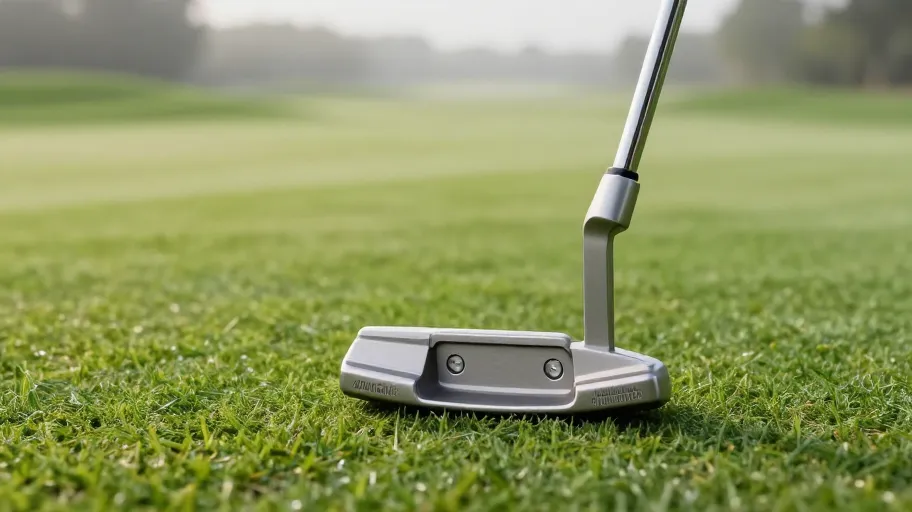
True putter tuning matches four elements: weight distribution, center of gravity (CG), stroke path, and grip feel. Most stock putters assume a straight-back-straight-through motion—but over 60% of amateurs have a slight arc. Using a toe-hang design with adjustable weights lets the putter rotate naturally with your stroke, not fight against it.
One mid-handicapper dropped two strokes per round in three weeks after switching from a face-balanced to a toe-hang model and tuning CG forward. Launch monitor data showed 40% less skid at impact—meaning the ball rolled sooner and stayed on line. PGA fitters now use adjustable weights not as add-ons, but as precision tools to dial in dynamic balance. Face-balanced works for straight strokes; toe-hang supports rotation. Only proper alignment ensures clean energy transfer.
What bad putts are costing you per year
Missing one extra putt per round costs about $1,200 a year in lost bets, higher handicaps, and tournament entry disqualifications. But fixing it doesn’t require new gear—just smarter tuning. Arccos data shows golfers using customized weights gain a 12% higher one-putt rate, saving roughly 1.5 putts per round. That’s nine holes per month reclaimed—without changing your swing.
Adding just 5–10g to the head dampens wrist torque, reducing unintended face rotation. This stabilizes launch conditions so your start direction matches your intent. Unlike full club swaps, small weight changes preserve muscle memory while upgrading performance. Small tweaks deliver outsized returns—not just in strokes, but in long-term confidence.
How to tune your putter without a $300 fitting
You don’t need a lab to find your ideal setup. Start with a chalk-line drill: draw a straight line on the ball and mark where your putter hits it post-stroke. If the mark curves left or right, you’re cutting across—and need heel-toe weighting to stabilize face angle.
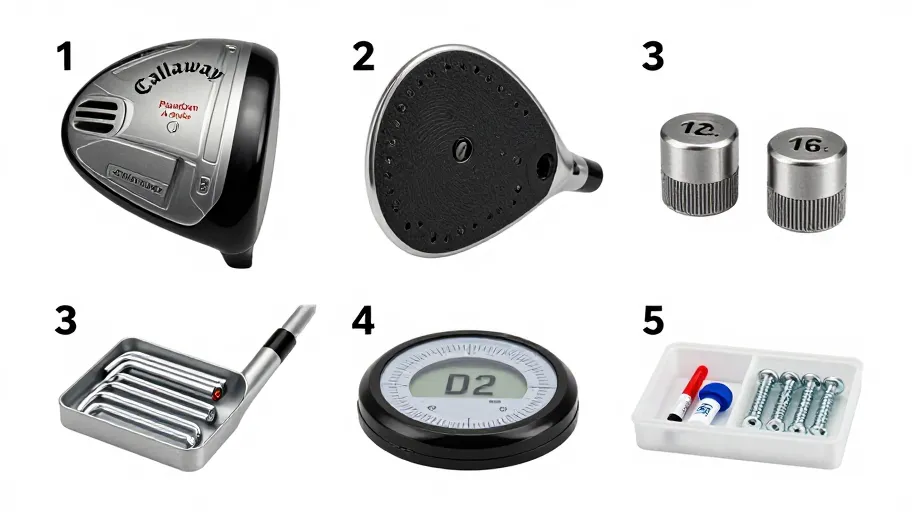
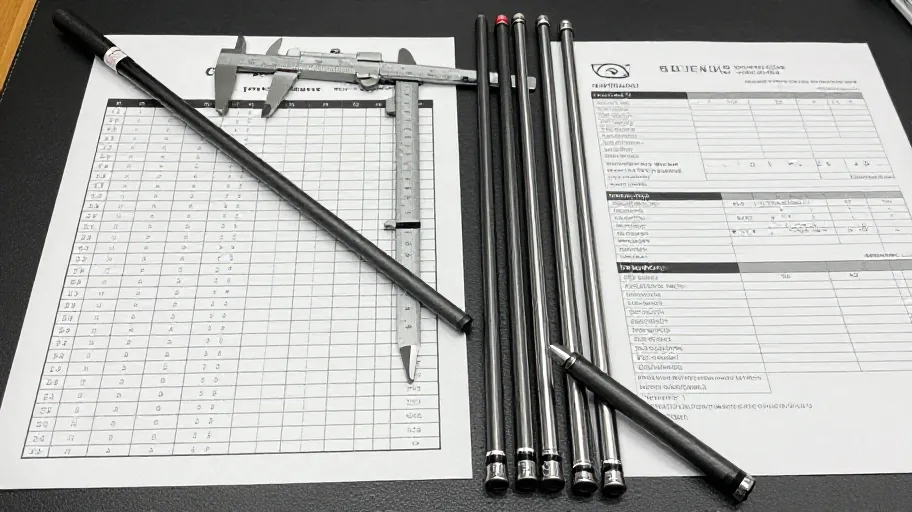
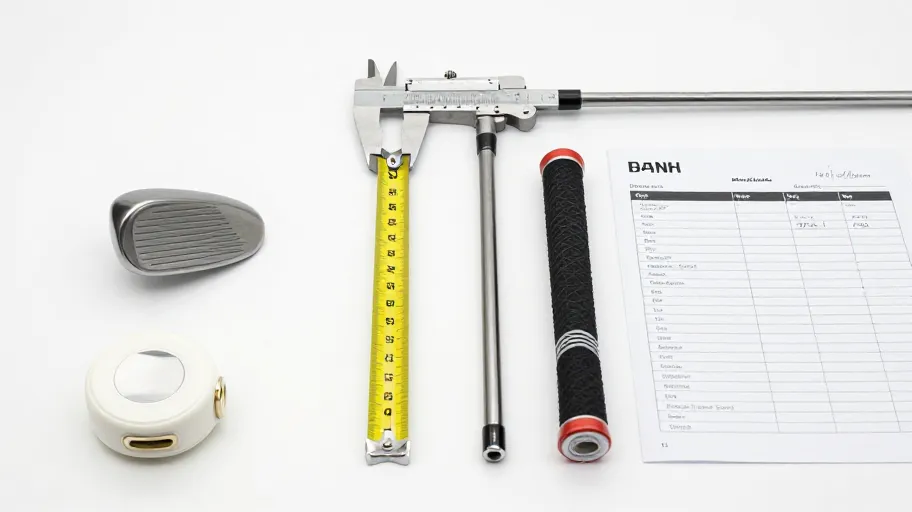
Use a swing weight scale to baseline your current putter—most amateurs perform best between D2 and D4. Add 2g tungsten screws or coin-tape to the extremities to shift balance without killing feel. Tour Edge Weight Kits let you test increments precisely. Avoid symmetrical adjustments on sloped greens—they can hide flaws. Instead, test on subtle breaks to expose instability.
Success shows up as tighter dispersion and fewer wobbles during lag putts. One golfer cut three-putts by 22% after four sessions—proof that calibration beats guesswork. The goal isn’t perfection—it’s repeatability under pressure.
Master Your Swing, DIY Your Fit. DIY Golf is the premier destination for the technical golfer. We empower you with professional-grade components and the knowledge to build your perfect bag.