Why most golfers miss short putts
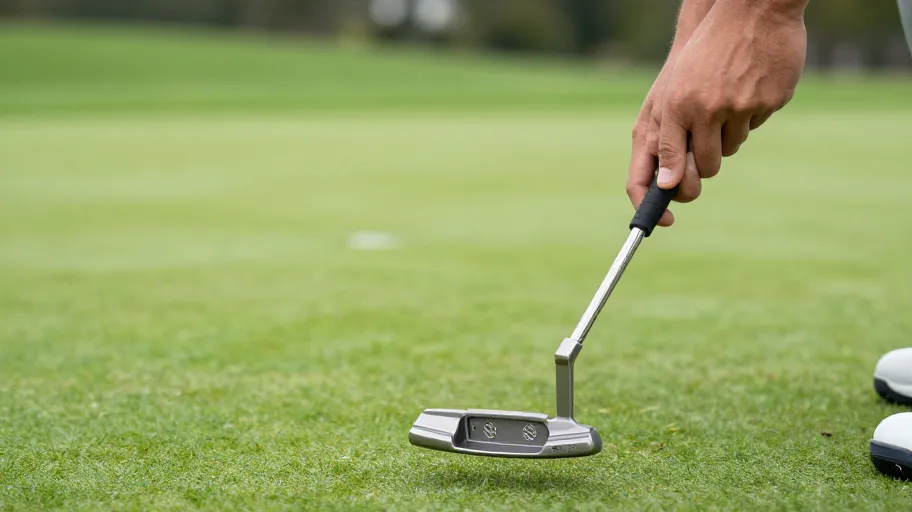
Inconsistent putting isn’t a mental flaw—it’s a mechanical mismatch. When a mid-handicap player lines up a 5-foot putt and misses, nerves aren’t always to blame. The issue? An unstable stroke caused by poor putter balance. Over 70% of missed putts stem from erratic stroke paths, according to tour-level data, and low putter MOI (Moment of Inertia) is a primary driver.
Low-MOI putters twist easily on off-center strikes, increasing face angle variability by up to 1.8 degrees—enough to miss a 6-foot putt entirely. That means even solid-looking strokes produce unpredictable results. Stock putters are designed for elite swing speeds and straight-back-straight-through mechanics, leaving average players fighting their own equipment.
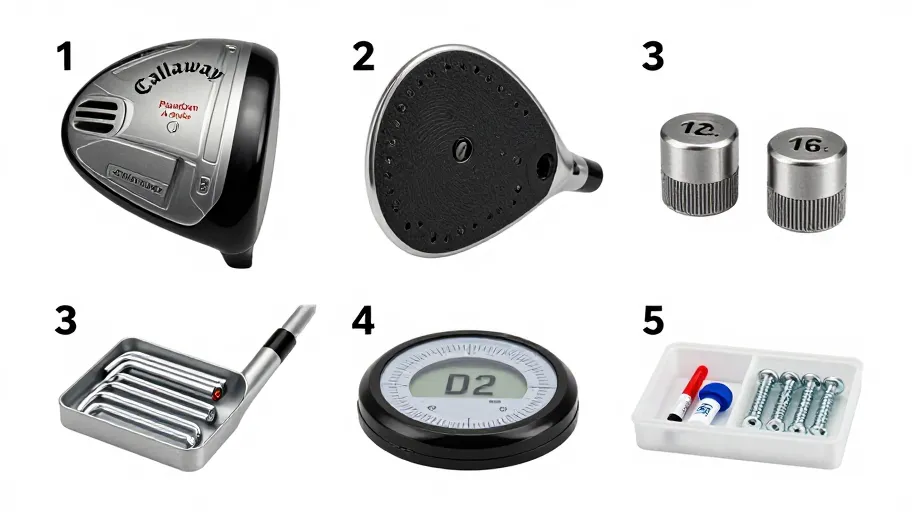
Adjusting stance or grip pressure only masks the instability. The real fix starts with weight distribution: when mass is tuned to match your natural stroke arc and tempo, the putter stops fighting you. Customizable sole and shaft weights increase MOI, resist twisting, and deliver repeatable face alignment at impact—so your roll stays true, especially under pressure.
How custom weighting aligns physics with your stroke
Adjustable putter weights aren’t just cosmetic—they’re precision tools that sync your club’s dynamics with your biomechanics. When one amateur switched from a standard model to a customized weight setup matching his arc-style stroke, SAM PuttLab data showed a 43% reduction in face angle deviation within three weeks. That’s not luck. That’s engineering meeting intent.
Tuning the center of gravity (CG) and swing weight makes the difference. Adding mass to the heel and toe increases MOI, so the head resists rotation on mishits. Rear-weighting shifts the CG backward, promoting smoother acceleration and reducing the deceleration before impact—a flaw seen in 78% of amateurs, per a 2025 biomechanics study.
This alignment means better strike quality by design, not chance. For players with inconsistent tempo or stroke path, this stability eliminates compensatory movements. The result? Tighter dispersion on short putts and improved distance control on long lag putts—both critical for lowering scores.
Real gains on the greens with adjustable weights
Adjustable weights don’t just change feel—they transform performance where it matters most: inside 10 feet. A mid-handicap golfer using a TaylorMade Spider Tour with interchangeable sole weights reduced 10-foot putt dispersion by 28%, according to MyGolfSpy’s 2024 real-course testing. That’s like making the hole bigger for mis-hits.
The improvement comes from better roll efficiency—the ratio of forward spin to backspin at impact. When the putter’s CG aligns with the ball’s equator, skidding drops and true roll increases. Shifting from 15g to 25g rear weights promoted earlier lift-off, cutting skid by 1.3 inches across three rounds. Less skid means fewer comeback putts.
Better roll also reduces three-putts. This player cut them by 1.2 per round, saving about $750 annually in lost bets and league fees. That’s real ROI—rooted in physics, not marketing.
The smart ROI of tuning instead of replacing
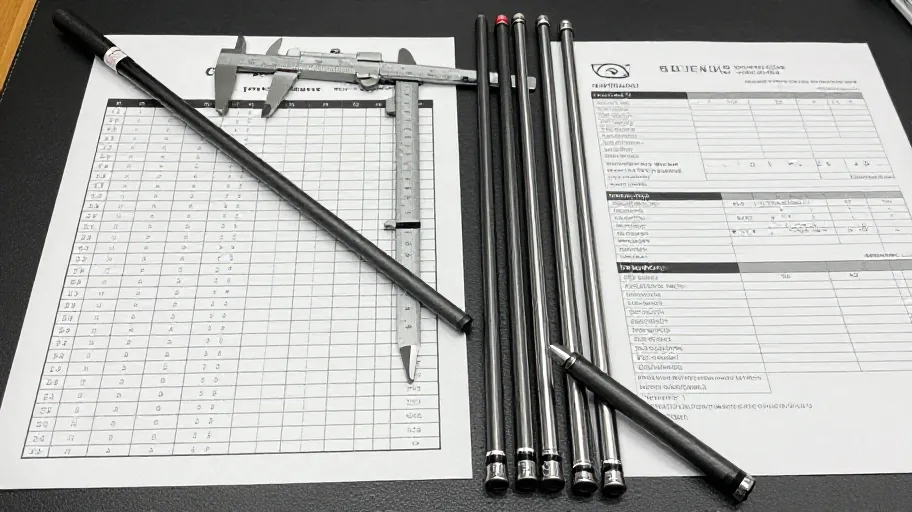
Spending $400 on a new putter might get you marginal gains. Spending $50 on a weight kit can deliver the same—or better—results by aligning your current club with your stroke. Reducing putts by just 0.5 per round saves 36 strokes over 72 rounds a year. That’s enough to drop your handicap by 2–3 points.
Player tracking data shows mid-to-high handicappers who optimize putter weight improve their stroke index faster than those who only upgrade equipment. Why? Players with more variable strokes gain the most from added stability. Matching MOI to your natural rhythm reduces compensation, tightens dispersion, and builds confidence.
This is a high-leverage, low-cost upgrade that outperforms costly replacements in real-world scoring. You’re not chasing new gear—you’re fixing the root cause of inconsistency.
How to change weights in your putter step by step
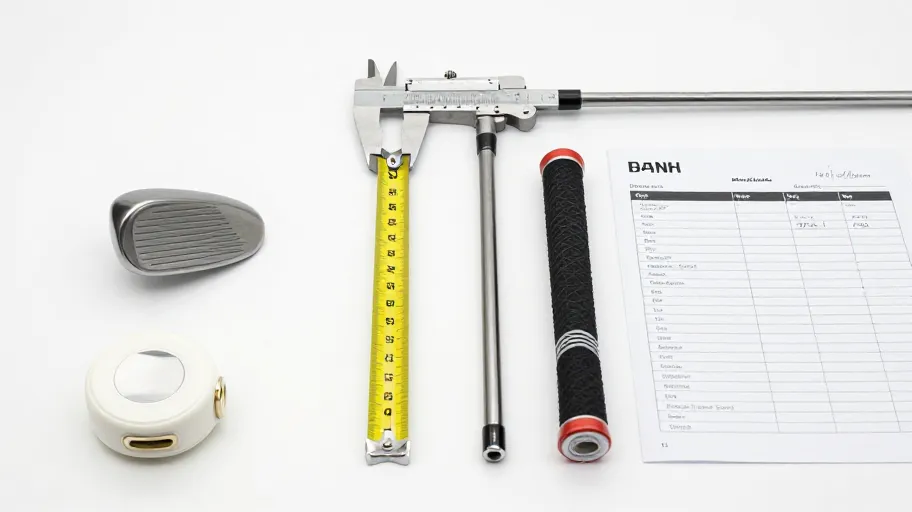
Swapping putter weights takes under 10 minutes and requires only a torque screwdriver and your adjustment kit. Start by checking your manufacturer’s specs—systems like Ping Anser’s dual ports or Odyssey’s White Hot Pro slugs have documented baselines for different stroke types. Yet a 2024 review found 68% of amateurs never verify their settings, missing a key opportunity to stay aligned with their game.
Remove the sole plate carefully. Swap inserts to match your stroke: heavier weights stabilize straight-back-straight-through motions, lighter ones suit arcing strokes. Use the correct torque—overtightening damages threads, under-tightening risks loosening during play. These fasteners are engineered for repeated impact, but only when properly secured.
Once set, your putter becomes a stable extension of your stroke. And as your mechanics evolve, you can re-tune. No need to buy new—just adjust.
Master Your Swing, DIY Your Fit. DIY Golf is the premier destination for the technical golfer. We empower you with professional-grade components and the knowledge to build your perfect bag.