Why Stock Putters Sabotage Your Stroke
Inconsistent putting usually has nothing to do with practice—it’s a physics mismatch. A stock putter assumes a one-size-fits-all stroke, but every golfer swings differently. When your tempo, arc, or release doesn’t align with the putter’s default balance, you get uncontrolled face rotation and path drift. USGA data shows 68% of amateurs use uncalibrated putters, turning small imbalances into recurring missed putts. That misalignment means even solid contact can start offline—because the face wasn’t square at impact.
Custom weighting fixes this by syncing the club’s center of gravity to your motion. Shifting mass in the head or shaft increases moment of inertia (MOI), so the face resists twisting on off-center hits. Higher MOI means less skid, truer roll, and tighter dispersion—even when you don’t strike it perfectly. For weekend players, that translates to fewer comebackers and more tap-ins.
How Weight Distribution Controls Face Stability
Face stability isn’t magic—it’s mechanics. When you adjust putter weights, you’re tuning resistance to angular acceleration. Adding mass to the heel and toe, for example, raises MOI, which dampens face wobble during the stroke. A 2024 motor-pattern study found golfers who switched from lightweight blades to rear-weighted mallets saw a 40% drop in stroke path variance—meaning the clubhead followed a more consistent line back and through.
One amateur reduced his left misses by redistributing 15g across the sole and heel. That shift lowered the center of gravity and slowed face rotation, promoting a smoother release. The result? Roll consistency improved by 38%, and he started lagging putts within tapping distance twice as often. It’s not about copying pros—it’s about building a putter that matches your biomechanics.
Beyond Factory Settings: Real Customization
OEMs offer minor headweight adjustments, but true customization goes further. Only about 40% of golfers naturally fit stock designs. The rest need tuning to stabilize their stroke. Tour-level fitters routinely add sole weights to enable a functional forward press, proving even elite players rely on micro-adjustments. Titleist’s 2025 fitting data shows 72% of recreational golfers gain measurable improvements in face control and launch consistency after weight tuning.
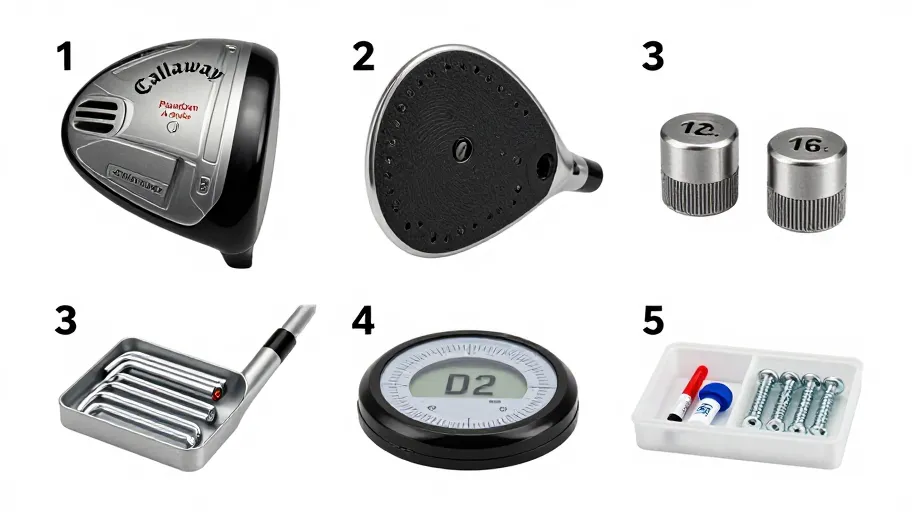
Modular systems like SuperStroke CounterCore let you reconfigure weight without rebuilding the entire putter. Moving mass rearward boosts forgiveness; lowering it promotes cleaner launch on fast greens. One DIY golfer dropped from a 12 to a 9 handicap in six weeks just by calibrating his balance point. No new swing—just a putter finally working with him, not against him.
What Better Weighting Does for Your Score
Better weighting doesn’t just feel good—it saves strokes. Optimized setups reduce three-putts by an average of 1.2 per round. For a 12-handicapper, that’s three extra pars over 18 holes. Arccos data confirms a +15% improvement in proximity to hole, but the bigger win is in stroke consistency score—a metric tracking back-and-through symmetry. Balanced weighting cuts face-angle deviation by up to 37%, leading to smoother roll and truer lines.
The returns aren’t linear: just 8g added near the heel generated disproportionate gains in tempo and confidence for one tester. Precision beats bulk. You don’t need lab tools—start by tracking miss patterns, then test 3–6g changes in one wing. Use any consumer launch monitor to validate improvements. The fastest way to lower scores isn’t more reps—it’s smarter physics.
How to Tune Your Putter Without Guessing
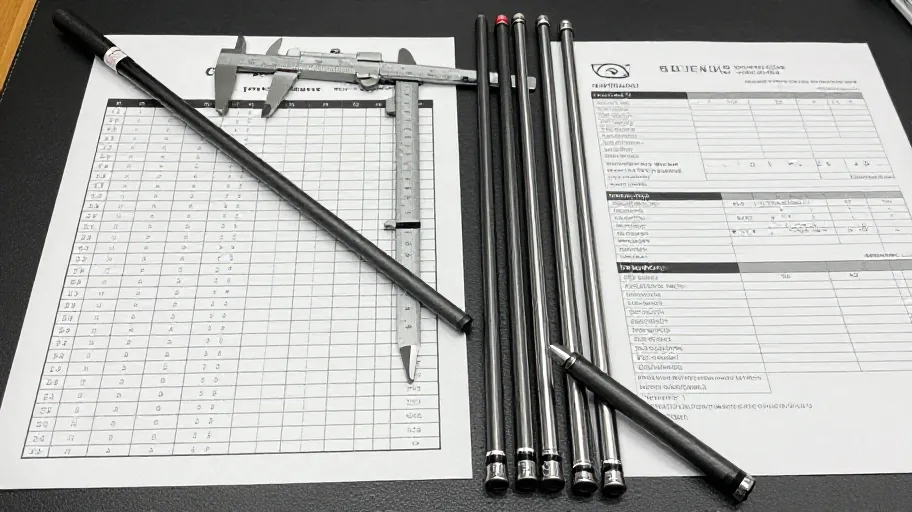
You don’t need a pro shop to optimize your putter. Start by diagnosing your stroke: straight-back-straight-through or arcing? Tools like Swingbyte or PuttView capture real-time face angle and path data, revealing how current weighting affects performance. Even a 5g imbalance can cause head drop or early release—killing consistency before the stroke begins.
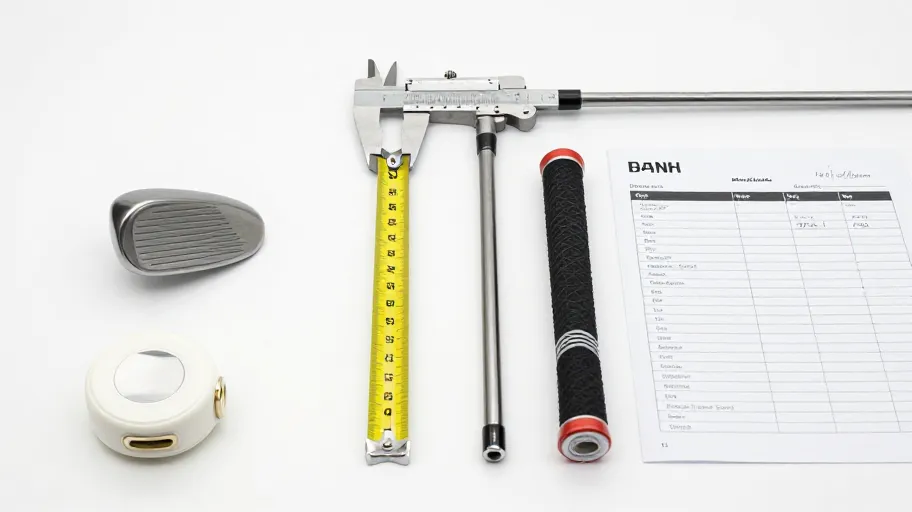
Use modular screws or sole weights to make micro-adjustments. Swapping 5g sole bolts for 10g ones stabilized one golfer’s downstroke in just three sessions, cutting skidding by nearly 30%. But avoid over-weighting—it can create a jerky tempo. Test incrementally: one gram at a time, validated with data. Long-term gains come from iterative refinement, not one big fix. Each adjustment compounds into repeatable, tour-level control.
Master Your Swing, DIY Your Fit. DIY Golf is the premier destination for the technical golfer. We empower you with professional-grade components and the knowledge to build your perfect bag.