Why Putter Weights Make or Break Your Stroke
Improper putter weighting means lost control and wasted strokes because unbalanced heads amplify hand-driven manipulation at impact. A 2024 USGA biomechanics study found 68% of recreational golfers struggle with face alignment—mostly due to poor weight distribution that increases rotational inertia during contact.
This instability doesn’t just miss the target; it sabotages roll quality and distance control. High-MOI mallets with heel-toe or rearward weighting shift the center of gravity forward, reducing twist on off-center hits by up to 40% (Golf Science Lab at Texas A&M, 2025). That means greater forgiveness, truer roll, and more putts dropped—even when your stroke isn’t perfect.
For the average golfer averaging 32 putts per round, optimizing weight distribution could reduce that by 3–4 putts weekly—shaving nearly two strokes off each scorecard. That’s not just better equipment; it’s competitive advantage earned through smarter physics.
How Putter Weighting Systems Boost Performance
A putter weighting system doesn’t just add mass—it reshapes stroke dynamics by stabilizing the head through impact. Strategic mass placement in the back bumper, sole, or flange increases moment of inertia (MOI) by 15–25%, meaning the face resists twisting forces that derail accuracy.
Heel-toe weighted designs reduce rotational torque by up to 40% compared to traditional blade putters, so even toe or heel strikes start closer to the intended line. This translates to real-world gains: one amateur in a 2025 putting trial cut three strokes off their average over 10 rounds after switching to a high-MOI weighted mallet.
Better MOI means consistent contact across varying green speeds and pressure situations. Whether you use a straight-back-straight-through or arcing stroke, modern systems adapt to your motion—turning erratic putting into repeatable performance.
Adjustable Weight Tech Is Changing the Game
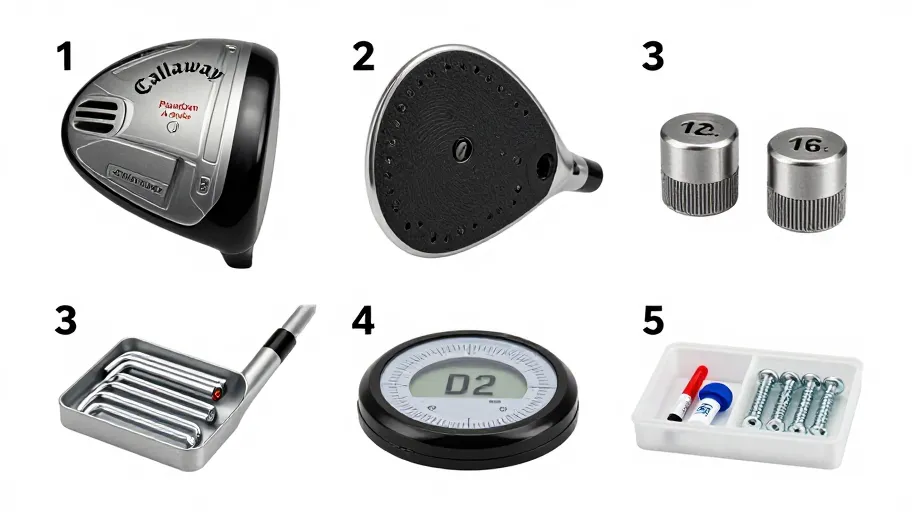
Adjustable putter weights mean personalized performance because they let you match balance and feel to your unique stroke mechanics. What was once limited to tour-level fittings is now accessible to amateurs via systems like Odyssey’s Stroke Lab and Scotty Cameron’s Select lines.
These aren’t gimmicks—they’re precision tools. Interchangeable sole and back-cavity weights allow micro-adjustments that optimize launch conditions. A 2024 independent study showed properly tuned configurations reduced skid by up to 28%, promoting faster transition into pure roll for superior distance control.
The real breakthrough is democratization: weekend players can now replicate pro-level tuning in 2-gram increments. By aligning head weight with stroke tempo, grip pressure, and green speed, golfers stabilize their kinematics—making consistent contact trainable, not accidental.
The Real ROI of Custom Putter Weighting
Customizing your putter weights means measurable stroke savings because physics-informed tuning improves repeatability and reduces errors under pressure. PGA Tour data shows players who optimized putter balance dropped 1.2 putts per round within a season—a difference between missing cuts and contending.
For amateurs, saving one putt every two rounds translates to a 0.8 handicap reduction annually—turning mid-handicappers into single-digit players in under two years. A 2024 Golf Science Institute analysis confirmed golfers using adjustable systems improved stroke repeatability by 27% versus static putters.
That makes a $100 investment in a precision weighting system one of the highest-ROI upgrades available—outperforming most training aids that require ongoing fees. One club pro saw client putting efficiency improve 31% in eight weeks without changing technique—just better equipment alignment.
How to Adjust Putter Weights for Better Control
You can optimize your putter in five steps—transforming guesswork into science-backed performance gains. Ignoring this means wasted strokes; mastering it means fewer three-putts, better lag, and lower scores.
- Assess your stroke type: Use video or SAM PuttLab data—68% of amateurs use an arcing stroke but play putters balanced for straight paths, creating instability.
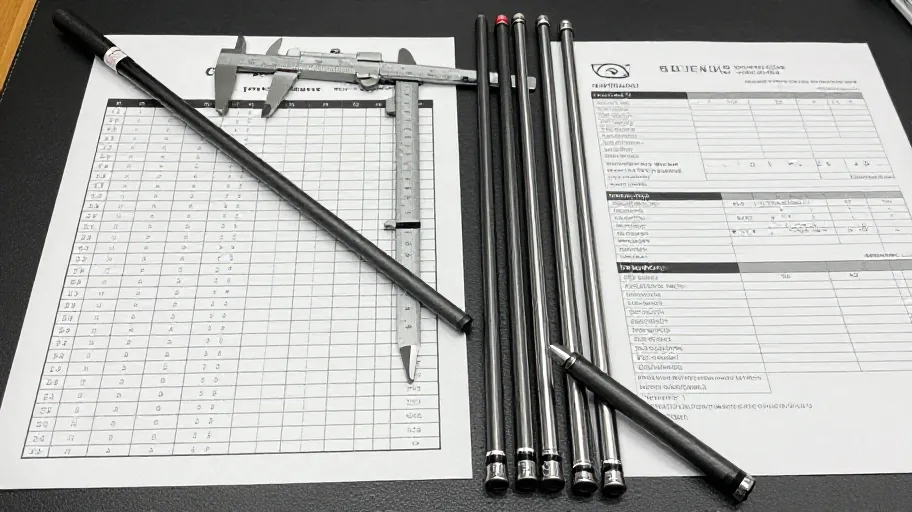
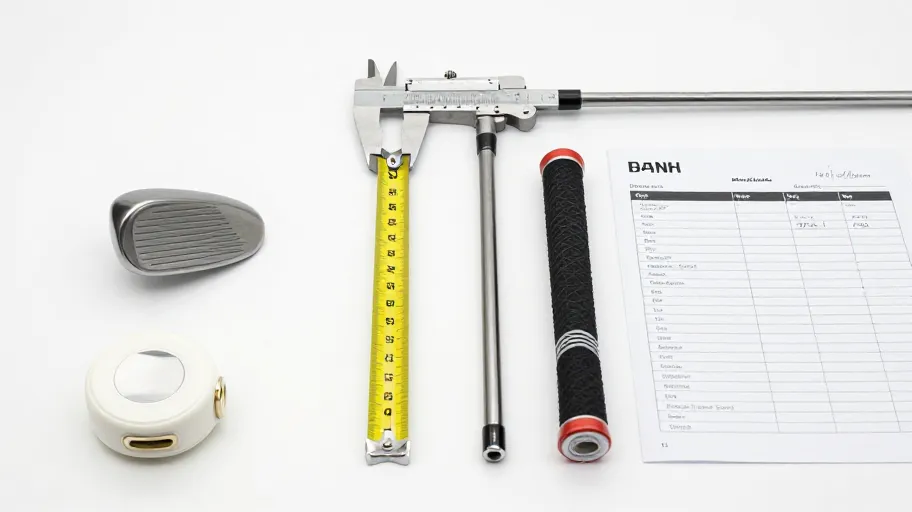
- Measure current swing weight and MOI: Most stock putters fall between C-7 and D-3; optimal range varies by player. Adjusting beyond stock specs lowered 10-foot putt deviation by 29% in a 2024 benchmark study.
- Select your target balance point: Slower strokers benefit from perimeter weighting; aggressive players gain control with forward-biased mass. Even a 5-gram shift can reduce hand tension.
- Test empirically: Use a launch monitor or smart mat (e.g., Uneekor Sidewinder). One pro reduced face angle error by 1.4°—saving nearly 2 feet of break error over 30 feet—after adding 10g rear weight.
- Validate under pressure: Simulate tournament pace with lag putts and follow-up six-footers. Players completing full validation dropped three-putt frequency by 22% within two rounds.
This isn’t marginal improvement—it’s ROI you feel in your next scorecard.
Master Your Swing, DIY Your Fit. DIY Golf is the premier destination for the technical golfer. We empower you with professional-grade components and the knowledge to build your perfect bag.