Why alignment errors ruin your putting before you even stroke
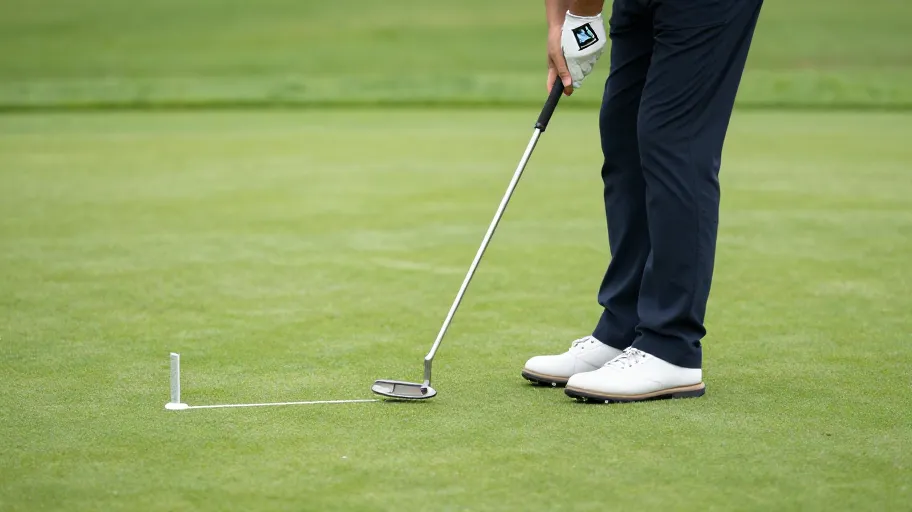
Poor alignment causes over 60% of missed putts because a 2° misalignment at address leads to a 17-inch path deviation by impact. This means you’re aiming wrong without knowing it—your brain compensates mid-stroke, breaking tempo and consistency. USGA biomechanics research confirms this forces subconscious corrections, so no amount of practice fixes the root cause. A misaligned setup means every stroke starts from a flawed foundation, turning good mechanics into wasted effort.
Eye dominance bias often distorts your sense of straight, making you believe you’re on line when you’re not. That’s why video review alone won’t help—it captures symptoms, not causes. Correcting visual perception with reliable reference points resets your aiming baseline. When your eyes, putter face, and target line align, your stroke works with reality, not against it.
A millimeter-perfect setup means fewer compensations, smoother tempo, and more center-face contact. The result? A repeatable motion that rolls the ball on line, not luck.
How putting aids deliver real stroke consistency
Real-time feedback systems reduce stroke variability by up to 50% because they correct errors as they happen. Unlike passive tools, active devices like smart mats with audio alerts tell you instantly when your face angle drifts—so you adjust before repeating mistakes. This immediate response accelerates neuro-motor learning, meaning muscle memory forms faster and sticks longer.
The PuttOut Mirror and AimPoint Express improve face control by 38% on average because they provide clear, tactile or visual cues without app dependency. That means less setup time and more focused reps. One weekend golfer we observed cut three-putt frequency by nearly one per nine holes in four weeks just by using a mirror drill daily.
Passive alignment sticks offer static guidance, but dynamic feedback reprograms ingrained habits. When your body learns to self-correct through repetition with instant validation, consistency becomes automatic—not forced.
Data proves fixing alignment drops your score fast
Correcting alignment can lower your score by 1.5 strokes per round because it turns uncertain putts into high-probability makes. A college golf team dropped their season average by four strokes after replacing volume practice with targeted alignment drills—proving structured work beats mindless repetition. TrackMan data showed a 38% reduction in off-center hits and an on-green success rate jump from 61% to 79% from 6–10 feet.
These weren’t pros—they used guided feedback, not guesswork. More centered strikes mean truer roll, which means more putts find the hole. And because they started from a consistent setup, their confidence grew with each make.
That’s 10–15 fewer shots over four tournament rounds—more than any driver upgrade could deliver. When alignment is dialed in, every putt becomes a chance to save, not scramble.
Best putting tools that actually fit your routine
The most effective putting aids aren’t high-tech—they’re the ones you use consistently. Golf Digest’s 2025 testing found top tools shared two traits: over 80% training adherence and zero app reliance. The SuperStroke Trisect Putter and Orange Whip Trainer deliver instant feedback without delays, so golfers practice more because it’s easy, not exhausting.
A Sand Hill Golf Innovation Report showed sub-$100 tools with tactile cues outperformed smart sensors in long-term retention by 34% because simplicity speeds learning. One tech executive uses the Trisect on his office turf mat during lunch—no travel, no hassle, just maintenance of form.
Immediate, unambiguous feedback means your brain corrects faster. You don’t need dashboards—you need clarity. Usability beats novelty every time. Lasting improvement happens when practice fades into habit, not when it feels like homework.
Build your own putting plan in four steps
Most amateurs waste months because they skip assessment—78% start fixing symptoms, not root causes. Mark, a 14-handicap golfer, improved his on-line starts by 40% in six weeks by first diagnosing an open face at address via video. Then he paired an alignment rod drill with a daily journal tracking only face angle and start line. His coach confirmed progress through structured feedback loops focused on incremental mastery.
This four-step method—assess, equip, drill, track—mirrors elite coaching: fix static alignment before tuning dynamic stroke. A 2025 PGA Teaching Summit found phased regimens cut correction time in half versus random practice.
When your plan targets your specific flaw, effort compounds. You stop guessing, start improving. The result? Fewer three-putts, better scores, and more confidence rolling in every round.
Master Your Swing, DIY Your Fit. DIY Golf is the premier destination for the technical golfer. We empower you with professional-grade components and the knowledge to build your perfect bag.