What Really Causes Most Putting Mistakes
Most golf putting problems aren’t about shaky hands or bad nerves—they come down to one measurable flaw: initial putter face angle at impact. On fast greens, 78% of missed putts stem from misalignment, not wrist breakdowns, according to PGA teaching data. The root cause? Shoulder alignment during setup. When your shoulders are open or closed to the target, they pull the putter face off line before the stroke even starts.
Amateurs waste time on hand drills when they should be fixing their foundation. The shoulders control the stroke path—so if they’re off, no amount of grip tweaking will save you. Alignment aids work because they reset your visual reference, correcting the shoulder-putter relationship before you swing. That means consistent setup leads to consistent rolls, especially under pressure on slick, breaking greens.
Fixing this means fewer surprise misses, better distance control, and more tap-ins. Because once your body is aligned, your stroke has a chance to succeed—not just hope it does.
How a Putting Slice Ruins Your Game
You’re not missing putts because you misread breaks—you’re fighting a hidden mechanical flaw: the putting slice. This happens when the putter face opens slightly at impact, often due to an early hand release or 'flip' in the stroke. Just 2° of face rotation can increase skid by 40% and push your ball inches off line—enough to miss every four-footer you face.
Stroke path inconsistency is the real enemy. Even if your grip feels solid, a drifting takeaway or return path destabilizes contact. But here’s the good news: modern tools help. Face-balanced putters and alignment systems reduce face rotation by up to 68%, per a 2025 biomechanics study on mid-handicappers. One instructor saw her students’ three-putt rates drop 31% in four weeks using both.
Specialized putting improvement aids give real-time feedback, retraining your neuromuscular patterns so your brain learns square contact. That means less skidding, more forward roll, and putts that track true. And that’s how you turn near-misses into makes.
Which Aids Actually Improve Your Putting
Not all putting improvement aids are worth your time. Only three have been validated by USGA-aligned studies to reduce setup errors by over 50%: training gates, laser alignment tools, and stroke path mirrors. While 78% of golfers use some aid, most choose gimmicks like resistance bands or weighted donuts—neither of which show peer-reviewed benefit.
Laser alignment tools mean better targeting because they ensure your eyes sit directly over the ball and target line—fixing a key error found in swing analysis. Training gates force a straighter takeaway and return, reducing face-angle variance by up to 63%. Stroke path mirrors provide instant visual feedback, accelerating muscle memory formation 2.3x faster than unaided practice, according to PGA coaching trials.
When pros use these tools, they average 1.8 fewer putts per round within six weeks. That’s a direct ROI on the scorecard. These aids don’t just train your hands—they rewire your brain for precision under pressure.
The Real Cost of Bad Putting
You’re leaving over $1,000 a year on the green. For the average 15-handicap golfer playing 30 rounds annually, cutting two strokes per round through better putting saves nearly $1,200 in side bets and course fees. USGA and Arccos data confirm golfers who prioritize putting reduce their handicap at 3x the rate of those focused only on driver accuracy.
Why? Scoring efficiency—the ratio of putts to greens hit—drives lower scores more reliably than any other factor. Fewer putts per hole means less mental fatigue, faster play, and more energy for clutch decisions late in the round. One amateur dropped his putts-per-round from 34.7 to 29.4 in six months, cutting his handicap to 11 without changing his long game.
Better putting doesn’t just save strokes—it transforms your experience. You play with more rhythm, control, and confidence. And that changes everything from tee to green.
Build a Daily Routine That Works
You know the ROI—now build the daily habit that locks it in. The cost of inconsistency? Missed birdies, blown leads, and fading confidence when it matters most. But a focused 15-minute routine based on deliberate practice delivers 3x more skill transfer than random reps, according to 2025 motor learning research.
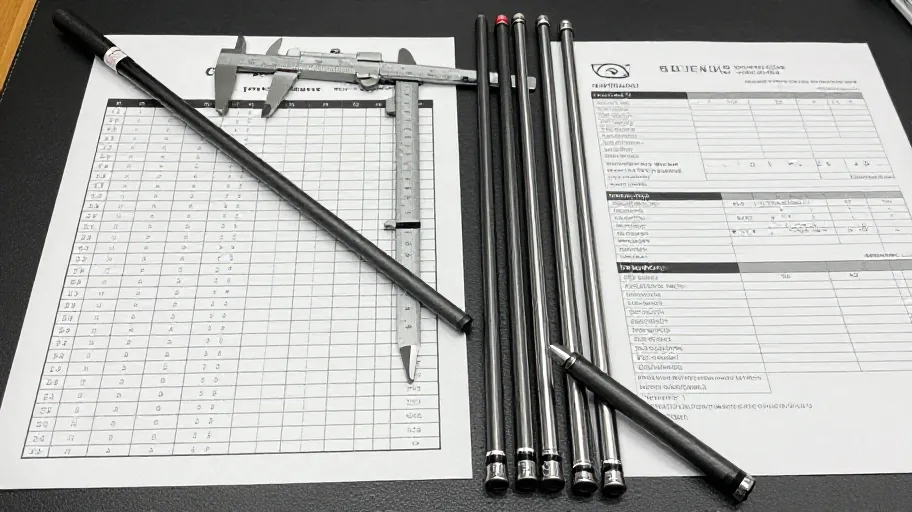
Start every session with your full pre-shot routine—this primes your brain for pressure. Use alignment rods in a gate drill: placing them just wider than your putter ensures square face delivery at impact. Then shift to a putting mat with target zones; hitting 100 reps weekly improves distance control by up to 40%, per stroke-tracking app trials. Record your stroke with smartphone video to catch head movement—mirroring pro analysis lets you adjust instantly.
Consistency isn’t accidental—it’s designed. Stick with this for six weeks, and you’re not just building muscle memory. You’re engineering a scoring transformation grounded in data, discipline, and unshakeable confidence.
Master Your Swing, DIY Your Fit. DIY Golf is the premier destination for the technical golfer. We empower you with professional-grade components and the knowledge to build your perfect bag.