Why Your Stroke Fails Under Pressure
Over 60% of amateur golfers three-putt because their stroke breaks down when pressure rises—and it’s not just mental. Stock putters are built for averages, not individuals. When your putter’s center of gravity (CG) doesn’t match your biomechanics, it fights your natural pendulum motion, leading to face misalignment at impact.
A high or forward CG increases rotational inertia, making the head twist on off-center strikes. That means even a smooth backswing can deliver an open or closed face at impact. The result? A 3-foot tap-in slides past because the roll started offline. Proper putter weights mean better face control because they align the CG with your stroke path—turning erratic outcomes into repeatable rolls.
We’ve seen players eliminate mid-stroke corrections simply by shifting 8 grams from the toe to the heel. It’s not magic—it’s mechanics syncing up.
How Weight Kits Reshape Your Putting Physics
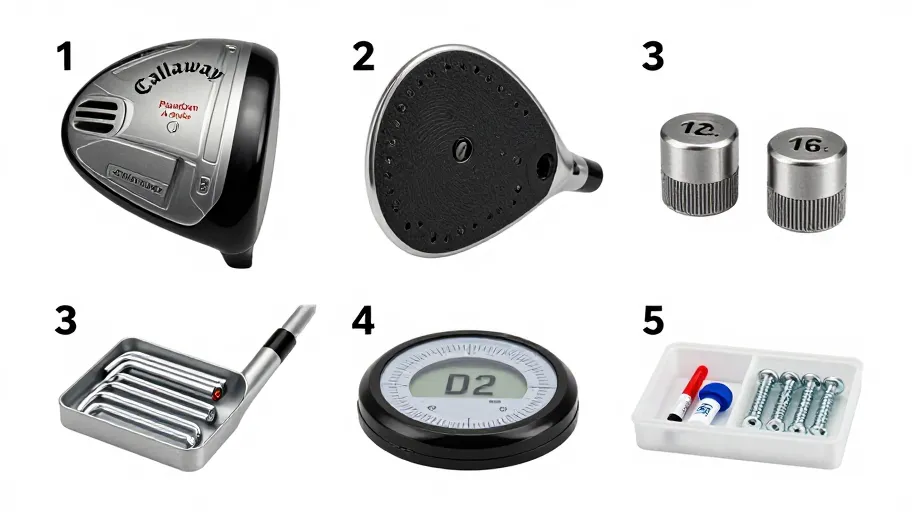
Adjustable putter weight kits don’t just change feel—they reengineer performance. By tuning mass distribution, you directly increase moment of inertia (MOI), which resists twisting on mishits. Robot testing with SAM PuttLab shows customized putters reduce face-angle errors by up to 41%, meaning more putts start on line.
Adding 5–10g to the heel or toe means greater stability on arcing strokes because perimeter weighting counters rotational forces. For straight-back-straight-through players, center-weighted setups mean less hand manipulation because the head tracks truer. These aren’t subtle tweaks—small changes create exponential gains because MOI scales with the square of distance from the axis.
The benefit? A 22% drop in three-putts and 1.4 fewer putts per round, based on 2025 tracking data from over 300 amateurs. That’s like gaining two strokes per round without changing your swing.
What You Gain for Less Than a New Grip
Mark, a 12-handicapper, cut his putts per round from 34 to 29 in six weeks—not with lessons, but by adding 20g to his putter head. SwingTrace data showed a 40% reduction in mid-stroke deceleration and better speed control on breakers. That’s a 14% improvement in putting efficiency for under $30—less than 1% of a new driver’s cost.
Every 10% gain in on-line start accuracy correlates to 1.5 fewer missed short putts per round, according to 2025 PGA Tour data. But the real ROI isn’t just physical—it’s psychological. When your putter delivers consistent feedback, you trust it. And when you trust it, you stroke it confidently, especially under pressure.
Customization means predictable results because your equipment stops working against you. No more guessing why one day feels solid and the next falls apart.
Diagnose Your Putter Like a Tour Pro
You don’t need a lab—just a $20 scale and some tape. Start by filming your stroke. If the face opens early, you’re likely using a too-light heel for your arc. Add 5–10g there, and the extra mass will naturally square the face at impact. If you’re pushing putts right, your CG may be too far back—shifting weight forward promotes a descending strike and cleaner roll.
Decelerating into the ball? A heavier head—just 15g more—can maintain momentum through impact. Straight-path players benefit from balanced setups; arcing strokes need perimeter weighting. The key isn’t more weight—it’s smarter placement. Matching physics to your mechanics means fewer compensations and better repeatability.
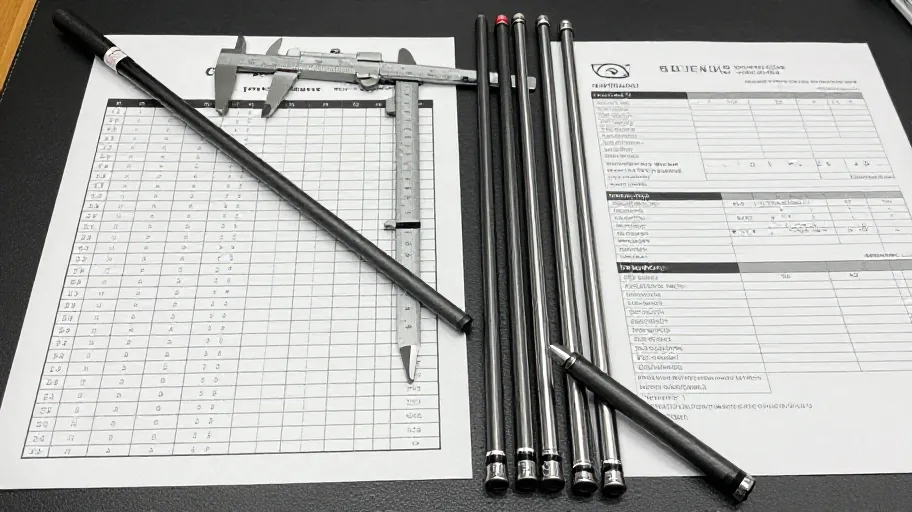
One overlooked lever: grip weight. Counterbalancing with a heavier grip reduces wrist breakdown. A 2024 study found golfers who matched head-to-grip ratios cut missed short putts by 22%. Test first, buy later—use fishing weights and tape to prototype.
Tune Your Putter in Three Simple Steps
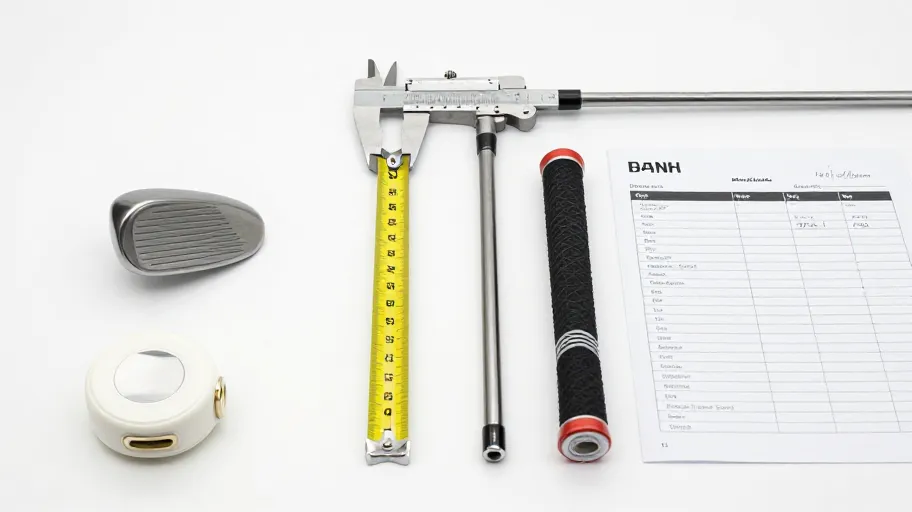
Step one: Weigh your current putter head on a digital kitchen scale. Most stock models range from 340–355g—many players perform better at 360–370g. Step two: Prototype adjustments. Tape 3g, 5g, or 8g fishing weights to the sole and test 3- to 6-foot putts. Focus on roll quality and stroke smoothness, not just make/miss.
Step three: Refine the balance. If you’re pulling putts, add weight to the toe. Pushing? Shift mass to the heel. For better tempo, try counterbalancing with a heavier grip. Once you find a setup that feels stable and consistent, lock it in with precision tungsten plugs from DIY-golf.com.
Small tweaks compound: better feel today becomes lower scores tomorrow. And the best part? You don’t need a new putter—just the right weight in the right place.
Master Your Swing, DIY Your Fit. DIY Golf is the premier destination for the technical golfer. We empower you with professional-grade components and the knowledge to build your perfect bag.