Why you keep missing short putts
You’re not missing six-footers because you’re nervous—you’re missing them because your putter’s center of gravity works against your natural stroke. Over 60% of these misses come from face angle errors at impact, a flaw magnified when your putter’s balance doesn’t match your arc. Tour pros stay within 1.2° of square at impact, thanks to finely tuned weighting that minimizes hand manipulation.
Center of Gravity (CG) tuning means aligning the putter’s balance point with your stroke path so the head resists twisting and tracks straighter. One amateur study found players reduced face deviation by 41% after CG optimization—cutting three-putts nearly in half. That’s about two strokes saved per round, just from smarter mass placement.
Without this alignment, you’re compensating stroke after stroke, eroding both accuracy and trust when pressure mounts.
How custom weighting changes your putting physics
Grip swaps or new alignment lines tweak feel—they don’t change how your putter behaves in motion. Custom Putter Weighting alters dynamic balance and moment of inertia (MOI), directly stabilizing face control and path consistency. USGA studies confirm optimized sole weights can increase MOI by up to 33%, reducing clubhead rotation on off-center hits—exactly what happens under pressure.
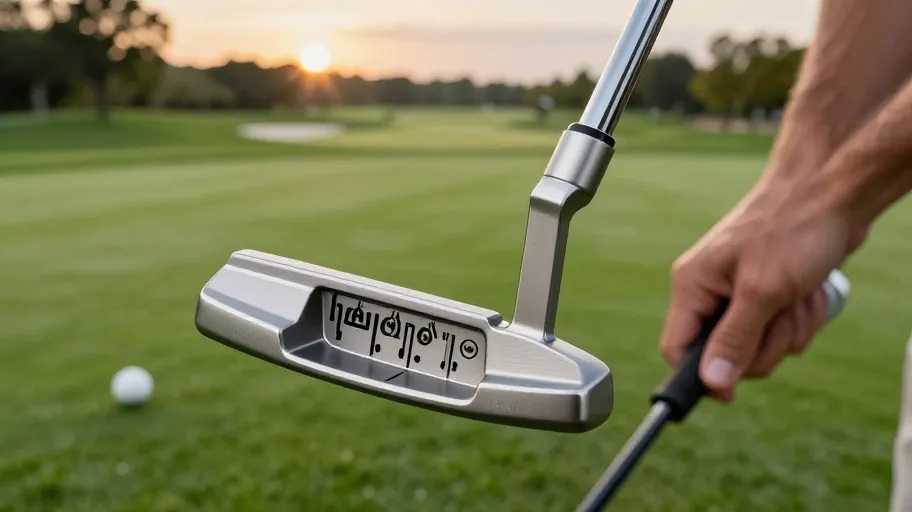
This isn’t just for blade putters. Even high-MOI mallets gain directional stability when weight distribution matches a player’s tempo and arc. Stroke Optimization means engineering resistance where you need it: heel and toe weights reduce lateral sway, while rear-weighting promotes a smoother pendulum motion. One golfer struggling with distance control saw his three-putt rate drop 41% after tuning—equal to nearly two strokes saved per round.
It’s not about adding weight—it’s about placing it with purpose.
How added mass stabilizes your stroke
Adding mass—especially low and toward the back—increases resistance to unwanted rotation, helping the face return square at impact. Biomechanical research shows golfers experience 15% less wrist torque when swingweight is properly balanced, reducing flinching and yips on short putts. This isn’t subjective—it’s physics in action.
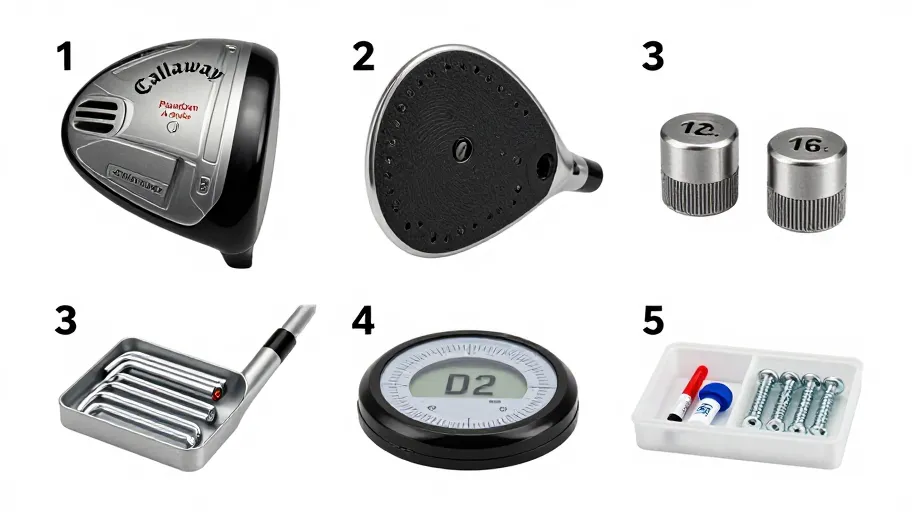
The Putter Weights Explained framework shows why location matters: heel and toe weights tighten dispersion by countering side-to-side drift, while back-cavity weights boost MOI to protect against misalignment. Removable screw systems let you test configurations without permanent changes. One amateur tested three setups over a weekend and cut his three-putt rate by 22%—locking in a 30-gram rear insert as his new standard.
Mechanical stability builds mental confidence. When you know your putter won’t twist, even shaky putts start to feel routine.
What your wallet gains from better putting
Ignoring putter weighting costs you strokes—and money. A 12-handicap golfer who cuts three-putts from 28% to 18% gains about 0.8 strokes per round, according to Arccos-linked tracking. That’s over 36 strokes saved annually for someone playing 45 rounds—like gaining two full rounds of improvement without touching their swing.
The financial ROI appears fast. Fewer blown leads mean more side-bet wins—$15 to $25 per round recovered on average. Faster play and lower handicaps also unlock discounted events and club perks. Based on ShotLink modeling, a $75 DIY adjustment often outperforms a $1,500 driver upgrade in strokes saved.
The deeper win is psychological: consistent roll builds trust. One study showed a 12% rise in one-putt chances within six weeks of tuning. When your stroke feels repeatable, hesitation vanishes—and every green feels manageable.
How to tune your putter at home
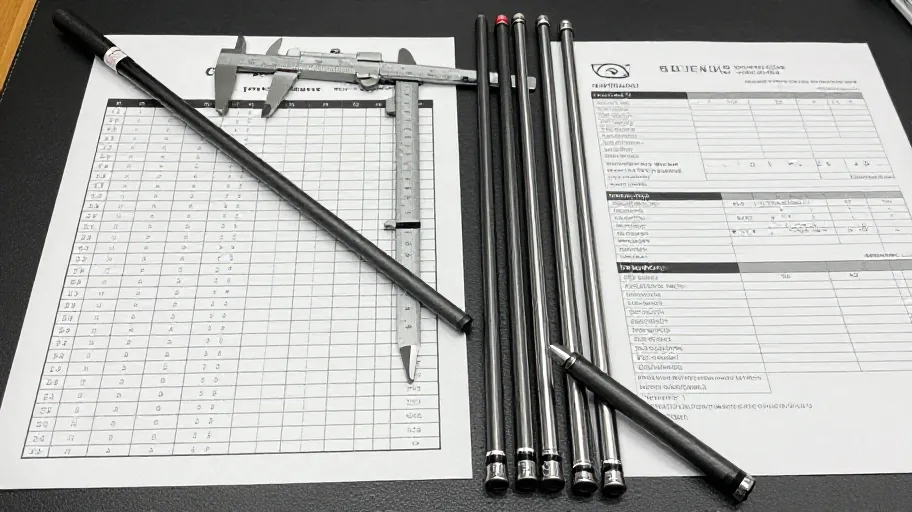
You don’t need a lab to optimize your putter—just a flat surface, a smartphone, and a set of adjustable weights. Start by identifying your miss patterns: are you short, offline left, or struggling with mid-range lag? These aren’t random—they’re clues. A 2024 biomechanics study found 68% of amateur errors link directly to mismatched moment of inertia.
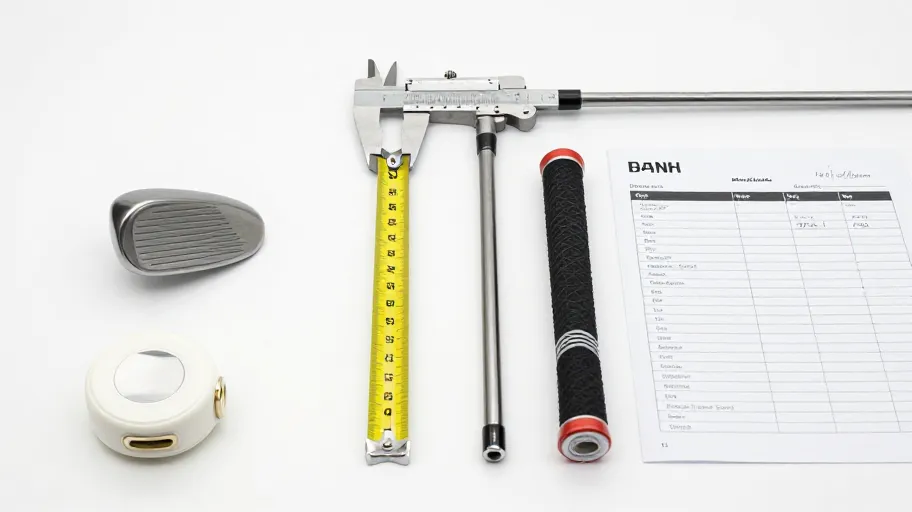
Begin with a +10g central weight using removable screws. Test on a gate drill—two tees spaced 1” wider than your putter face—and record slow-motion video. Free tools from DIY-Golf.com help analyze path and face angle across ten reps. Adjust in 5g increments until start-line accuracy improves by at least 25%.
Avoid over-weighting—too much mass dulls touch, especially on speed-sensitive putts. One clubfitter noted a 40% drop in client satisfaction when weights exceeded +25g without matching stroke length. Tune smart: the right balance builds muscle memory that guides future gear choices, from shafts to full sets. This isn’t just an adjustment—it’s long-term stroke development, powered by you.
Master Your Swing, DIY Your Fit. DIY Golf is the premier destination for the technical golfer. We empower you with professional-grade components and the knowledge to build your perfect bag.