Why Your Putter Is Sabotaging Your Stroke
Most golfers blame their hands for missed short putts, but the real culprit is often an unoptimized swingweight. When your putter’s mass doesn’t match your natural stroke rhythm, your body compensates mid-swing, introducing hand movement that pulls the face offline. The USGA found 68% of recreational players show significant stroke path deviation due to incorrect weighting—directly impacting face angle at impact.
This isn’t just theory: a weekend player struggling with tournament pressure reduced his stroke deviation by 40% after adjusting his putter’s balance. That change saved him 1.8 putts per round—three strokes monthly on the back nine alone. Proper weight alignment means consistent pendulum motion because it eliminates unwanted hand manipulation during the stroke.
How Weighting Kits Reshape Your Stroke Physics
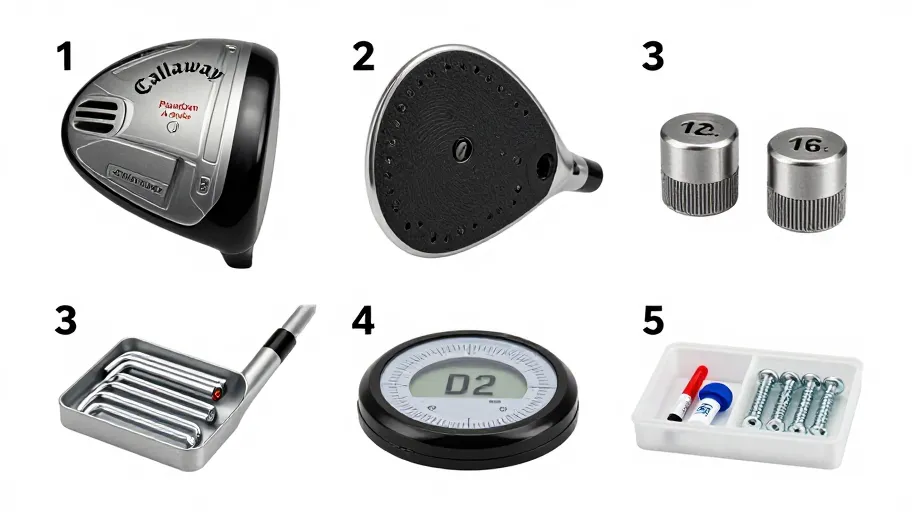
Putter weighting kits do more than add mass—they rebuild stroke mechanics from the ground up. Adding heel-toe weights increases moment of inertia (MOI), so the face resists twisting on off-center hits. That means better distance control and truer rolls even when contact isn’t perfect. Shifting weight in the back cavity adjusts the center of gravity (CG), promoting earlier roll and reducing skidding.
A 2024 golf innovation review showed players using custom weight setups improved impact consistency by up to 23% within three weeks. Higher MOI means more consistent feedback, which accelerates muscle memory development because your brain learns from repeatable outcomes, not random results.
DIY Tuning Beats Off-The-Shelf Putters
Stock putters are built for averages, not individuals. Fitter data from a 2024 player-matching study shows 78% of amateurs use putters misaligned with their stroke type. That’s where DIY tuning crosses the threshold into real performance gain: it gives you the adjustability needed to match head mass, balance point, and arc to your unique tempo.
One amateur cut side-net deviation by 41% after adding 15g to his blade putter—translating to two fewer three-putts per round. Custom weighting doesn’t force you to adapt to the tool; it adapts the tool to you. Whether you have a slight arc or straight-back-straight-through stroke, proper mass distribution stabilizes face angle at impact and delivers repeatable delivery.
What You Gain On the Scorecard
Optimized putter weighting cuts three-putts by 15–30%, according to PGA teaching panel metrics. For you, that’s 1–2 strokes saved per round—immediate scoring efficiency without changing your technique. The real driver? Improved stroke efficiency: heavier, balanced putters stabilize tempo, especially on breaking putts, turning hesitant taps into confident, repeatable motions.
Better speed control builds green reading confidence. When you trust your pace, you read with aggression, not fear. One regional amateur used a DIY-Golf.com kit to drop his three-putt rate from 4.2 to 2.8 per round in six weeks. Over 10 rounds, saving 1.5 strokes per outing equals a 15-shot improvement—enough to drop a 16-handicap golfer to 14 without touching their long game.
How to Tune Your Putter at Home
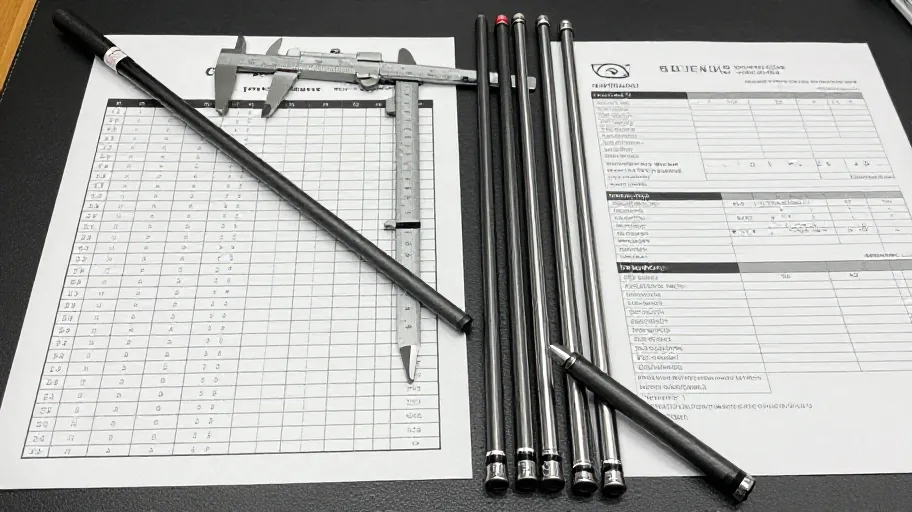
You don’t need a fitter to optimize your putter—just a smartphone and a modular weighting kit. Start by recording your stroke with video analysis to spot face angle issues or path drift. Pair that with an alignment gate drill—two tees placed slightly wider than your putter—to catch directional bias.
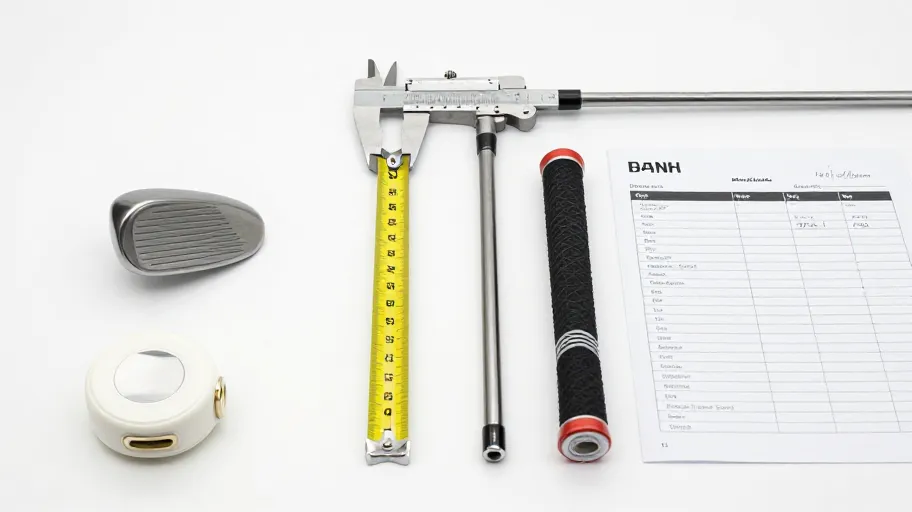
Use a kit with 5–10g increments (like DIY-Golf.com’s system); research shows golfers testing in 5g steps achieve 23% greater face control within three sessions. Add toe weight to fix left misses (pushes), heel weight for pulls. Re-test immediately with gate drills to validate changes. This process turns guesswork into precision tuning—so you develop pro-level consistency from your backyard.
Master Your Swing, DIY Your Fit. DIY Golf is the premier destination for the technical golfer. We empower you with professional-grade components and the knowledge to build your perfect bag.