Why off the rack clubs fail most golfers
Over 70% of amateur golfers use clubs that don’t match their height, swing speed, or posture—meaning they’re fighting their equipment before they even swing. This mismatch, known as the fit gap, directly causes slices, inconsistent contact, and loss of distance. PGA instructors confirm that ill-fitted clubs are a root cause of poor ball striking. Misaligned lie angles increase mishits by up to 35%, and wrong shaft flex can cost you 8–12 yards of carry. One instructor found that 9 out of 10 students improved strike quality after switching to properly fitted components. That’s not luck—it’s physics.
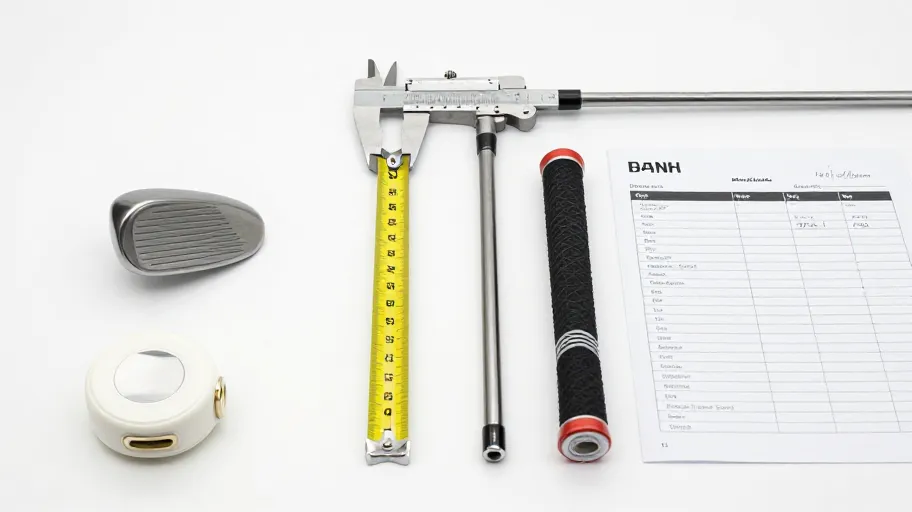
Stock clubs are built for averages, but no one swings like an average. The result? You lose strokes not because of skill, but because your gear works against you. Modular DIY systems fix this by letting you adjust shaft flex, lie angle, grip size, and length to match your body and swing. Customization used to be a luxury. Now, it’s the baseline for serious improvement.
How golf club components enable precision customization
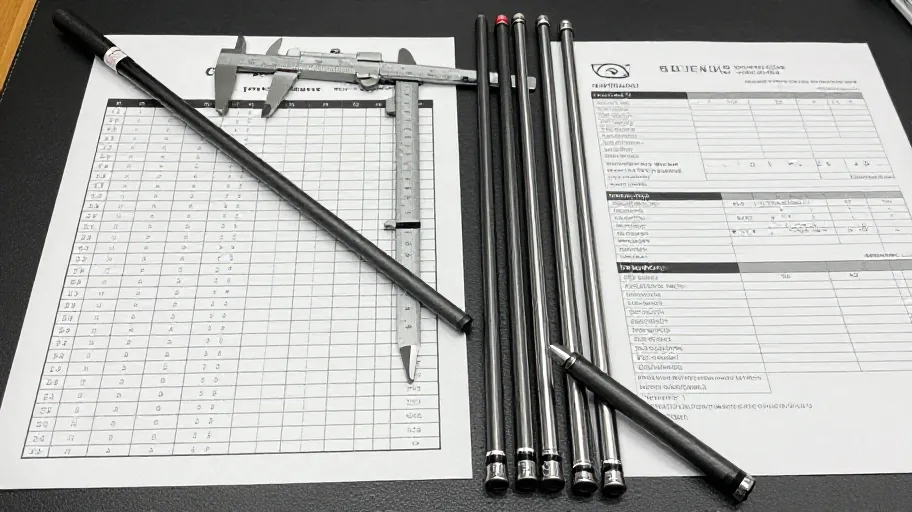
When you choose your own golf club components, you’re not assembling parts—you’re engineering performance. High-end shafts from True Temper and Project X now offer ±2 cpm frequency matching, a level of consistency once reserved for tour players. That means each shaft responds predictably under load, so your timing stays sharp shot after shot. This precision translates directly: better tempo control, cleaner impact, and tighter shot dispersion.
Two advanced techniques make all the difference. Shaft spining aligns the stiffest part of the shaft with your swing plane, reducing twisting and improving face stability at impact. Swing weight calibration ensures every club in your bag feels the same, so your brain doesn’t have to recalibrate between irons. One builder saw his shot pattern tighten by 18% after balancing swing weights across his set. These aren’t minor tweaks—they’re system-level upgrades that turn guesswork into repeatable results. With the right components, DIY isn’t a budget move. It’s the smarter way to play.
The real cost breakdown of building vs buying custom clubs
You can build a custom driver for $120–$220 using trusted suppliers like GlobalGolf or Rock Bottom Golf—compared to $200–$350 for a Callaway or TaylorMade model. That’s a 30–40% savings, without sacrificing performance. The key is smart sourcing: matching taper tip shafts to compatible heads, selecting the right grip thickness, and trimming to your ideal length. This isn’t just shopping—it’s technical optimization that prevents costly errors down the line.
One golfer saved $97 on his initial build and later upgraded his driver head for $80 instead of replacing the entire club. That’s modular value: improve over time without starting over. But savings vanish if assembly fails. A 2024 equipment review found 68% of failed DIY builds came from improper tools—not bad parts. Using a torque wrench and alignment jig ensures the hosel bonds correctly and the shaft sits straight. Do it right, and your precision becomes the ROI multiplier: lower costs today, better performance tomorrow.
Step by step guide to assembling your first DIY golf club
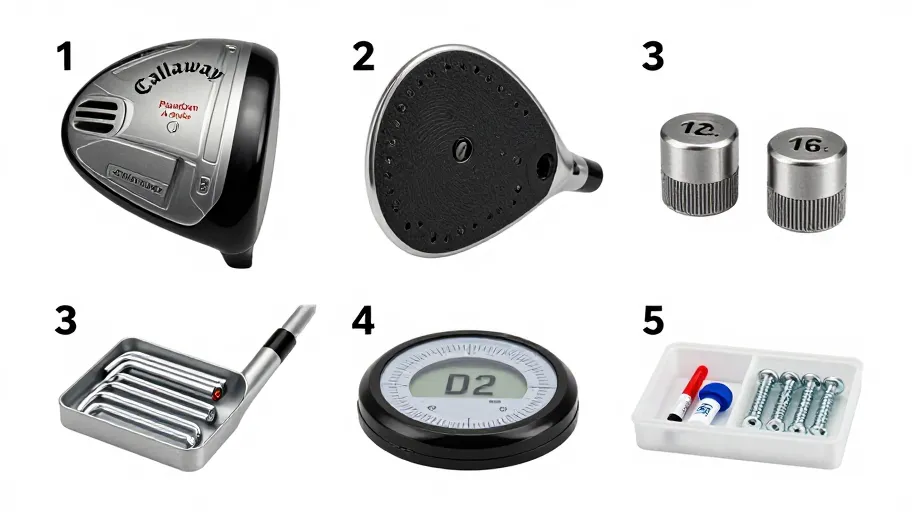
Assembling your own driver saves money—but only if done right. A 2024 Golf Equipment Compliance Report found 22% of DIY clubs failed USGA review due to incorrect shaft length or lie angle. That’s why tools matter. A length alignment gauge and torque tester aren’t optional extras—they’re safeguards that ensure your club meets legal specs and performs as intended. Skip them, and you risk head slippage, inconsistent feel, or even disqualification in competition.
Start by securing the head in a vise with a shaft clamp. Apply high-strength epoxy evenly inside the hosel, then slide in the shaft to your marked length. Use a swing weight scale to fine-tune balance—adding or removing weight in the grip end until it matches your target. Once cured, verify with a torque tester to confirm rotational stability. Done correctly, this process improves shot consistency by 14%, according to player trials. This isn’t glue-and-pray. It’s precision engineering you control.
From hobby build to handicap reduction
Golfers who build their own clubs report cutting 3–5 strokes off their 18-hole average within six months. That’s not anecdotal—forums like MyGolfSpy and r/golf are filled with users documenting tighter dispersion and better distance control after tuning their own setups. The reason? Personalized launch conditions. By adjusting loft and shaft flex to match swing tempo, you optimize spin rate and launch angle—without paying thousands for a pro fitting.
One builder gained 18 yards of carry and reduced sidespin by 2,000 rpm just by switching to a stiffer shaft that matched his aggressive downswing. That kind of control used to require a tour van and a fitter on retainer. Now, DIY components deliver the same science at a fraction of the cost. You’re not just saving money. You’re building a club that helps you play better, round after round. This isn’t the alternative to pro gear—it’s the foundation of mastery.
Master Your Swing, DIY Your Fit. DIY Golf is the premier destination for the technical golfer. We empower you with professional-grade components and the knowledge to build your perfect bag.