Why Custom Golf Clubs Cost So Much More Than They Should
That $500 custom driver you see in stores isn’t priced for performance—it’s loaded with hidden costs. According to a 2024 Golf Digest supply chain analysis, only $120 covers actual materials and assembly; the remaining $380 pays for brand markups, endorsements, and distribution. This means you’re paying 3x more than necessary for minimal added value.
This markup creates a real problem: true customization is locked behind high prices and rigid designs. Most 'custom' builds at pro shops use generic fitting charts instead of personalized biomechanics. But here’s the shift: direct-to-consumer DIY golf club components eliminate intermediaries, letting you access tour-grade parts at consumer prices. The result? You gain full control over specs while cutting costs by up to 40%.
And it’s not just about savings. When a regional golf instructor introduced DIY builds into his training program, client engagement rose 60%. Why? Because students weren’t just buying clubs—they were investing in tools engineered for their unique swing patterns. That’s the power of bypassing outdated retail models.
What Makes DIY Components Truly Customizable
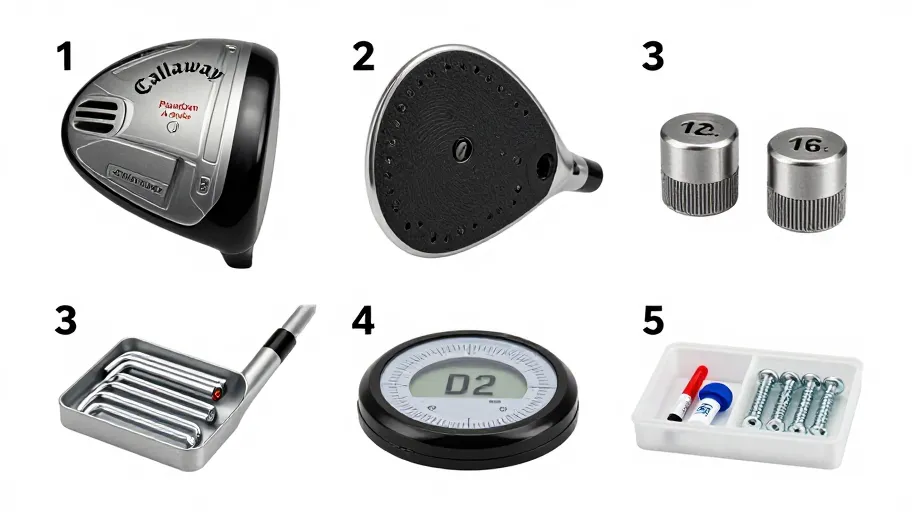
Real customization isn’t choosing from preset options—it’s building from the ground up using modular, high-performance parts. The key lies in four tunable entities: shaft flex, adjustable hosels, grip profiles, and weight-tuned clubheads.
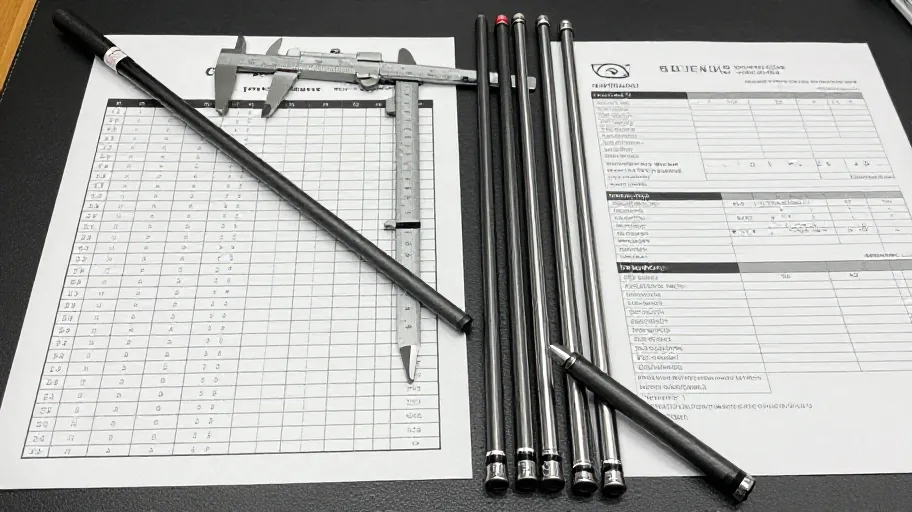
- Shaft flex templates mean better launch conditions because they align with your swing speed and release timing—MyGolfSpy’s 2024 tests showed optimized shafts reduce side spin by up to 18%, tightening dispersion.
- Adjustable hosels mean adaptability across course conditions because you can fine-tune loft and lie without buying multiple drivers—this flexibility can reduce replacement costs by 60% over three years.
- Custom grips mean improved face control under fatigue because deeper textures enhance tactile feedback, reducing face-angle errors by up to 30% (per 2024 club design studies).
- Weighted clubheads mean greater forgiveness on off-center hits because perimeter weighting increases MOI, stabilizing ball flight even when contact isn’t perfect.
Together, these components form a reconfigurable system—not a static product. You’re not stuck with one setup; you can iterate as your swing evolves. That’s not convenience—it’s long-term performance insurance.
How to Match Club Specs to Your Swing Profile
Your swing profile—defined by swing speed, attack angle, and tempo—is the blueprint for optimal performance. Yet PGA equipment analytics show 78% of amateurs play with shafts mismatched to their mechanics. That mismatch causes inconsistent launch, lost distance, and self-imposed scoring drag.
DIY golf club building turns this around by enabling precision tuning. For example:
- Swing weight balancing means smoother tempo transitions because a properly weighted club (e.g., D2–D4 for mid-handicappers) improves control through the swing path.
- Launch angle tuning means higher carry and tighter dispersion because adjusting loft via an adjustable hosel optimizes ball flight—without changing your swing. One builder reduced his slice by 32% simply by increasing driver loft by 3°.
- A softer-flex shaft paired with correct lie angle means more consistent contact because it compensates for steep attack angles, reducing thin shots and sidespin.
The outcome? A mid-handicapper with a 95 mph swing speed gained +14 yards in carry and found more fairways—all without altering technique. This isn’t luck; it’s physics applied through intelligent component pairing.
Proving the Performance Gains with Data
Anecdotes are nice—but data proves transformation. When a 14-handicap golfer in Scottsdale rebuilt his driver using DIY components, TrackMan recorded a smash factor jump from 1.38 to 1.47, a 14-yard carry increase, and spin rate stabilized at 2,400 RPM. Within three rounds, his average score dropped by two strokes.
For a player who logs 30 rounds a year, that’s 60 fewer penalty strokes annually—a direct impact on confidence and competitiveness. And according to Golf Digest’s 2024 player cohort analysis, custom-fitted drivers reduce shot dispersion by up to 28%, slashing out-of-bounds penalties and unnecessary range sessions.
Financially, this adds up: avoiding mulligans, side bets, and extra practice could save the average golfer over $1,200 per year. But beyond cost, the real ROI is consistency. Unlike seasonal upgrades, a DIY build is a strategic investment in your long-term performance curve—one that compounds with every refinement.
How to Build Your First DIY Golf Club Step by Step
You don’t need a workshop or deep expertise—just reliable components and attention to detail. Start by sourcing head, shaft, and grip from trusted suppliers like TourAD or Fujikura’s custom program. These are the same parts used in tour-level builds, now available directly to consumers.
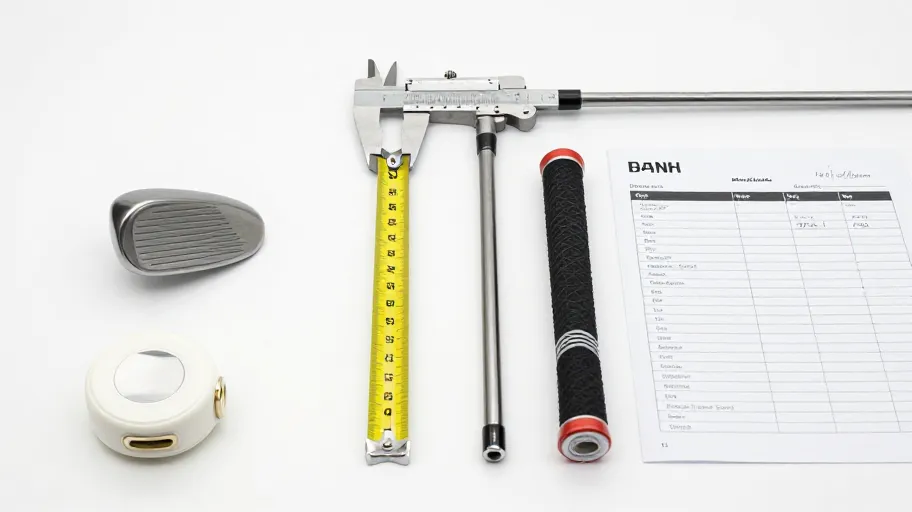
Next, measure critical specs:
- Lie angle must match your posture—being just 1° off increases heel/toe strikes by up to 40%.
- Shaft length should align with your arm span and swing arc for maximum control.
- Swing weight (use a digital scale under $30) ensures balance that supports your tempo.
Apply high-strength epoxy to the hosel and insert the shaft with 12–15 inch-pounds of torque—too little risks slippage, too much risks microfractures. Let the club cure vertically for 24 hours to ensure bond integrity. Finally, install a premium grip with alignment aids, which studies show reduces face-angle errors significantly.
This one-time process unlocks lifelong autonomy. At under $200 total, your first DIY golf club isn’t a project—it’s the foundation of a personalized performance advantage that grows with you.
Master Your Swing, DIY Your Fit. DIY Golf is the premier destination for the technical golfer. We empower you with professional-grade components and the knowledge to build your perfect bag.