Why Prices Vary So Much
One Midwest pro shop paid $5,400 more than necessary to regrip a 300-club fleet—despite requesting identical services. The problem wasn’t dishonest vendors; it was missing specifications. Technician hourly rates range from $28 to $62, and retail-focused suppliers often mark up materials by over 220%. Without clear standards, buyers default to lowest upfront cost, sacrificing long-term value.
Subpar rubber compounds degrade three times faster under UV and moisture exposure, forcing repeat labor. Meanwhile, two technicians charging the same rate may deliver wildly different results due to inconsistent tool calibration and technique. This variability introduces real procurement risk into every RFQ.
Standardized specs mean predictable outcomes because they eliminate guesswork in material quality and workmanship. That’s not just cost control—it’s operational reliability.
What Makes a Grip Actually Perform
High-performance grip specs aren’t about marketing terms like “premium feel”—they’re measurable engineering criteria that directly affect durability and playability. When a global golf brand let regional suppliers interpret “durable” loosely, post-installation service claims jumped 22%, costing over $380K annually in warranty adjustments.
A remote R&D team tested identical grips in humid Southeast Asia versus dry Arizona conditions. Only those meeting ASTM D412 tensile strength standards maintained 94% torque consistency across environments. Substandard grips dropped below 76%, directly impacting swing accuracy.
Grips built to verified specs mean fewer field failures because they resist environmental stress. In a 2025 pilot, custom installations reduced unexpected rework by 41%, slashing RFQ overruns and protecting ROI through consistent performance.
How Uniformity Boosts Player Results
Custom grip installations lock in exact diameter, weight, and texture across all clubs—turning random equipment into a reliable extension of the golfer’s swing. For large operators, this isn’t luxury; it’s operational necessity.
A national golf academy standardized regripping across 12 campuses and saw swing deviation drop 38% year-over-year, based on PGA-accredited motion analysis. They also cut club replacement frequency nearly in half, reducing the total golf club regripping cost per student over three years.
Precise installations mean faster skill development because players aren’t compensating for inconsistent gear. They also simplify inventory management and improve turnaround during peak seasons—boosting both training effectiveness and operational efficiency.
Proving the Financial Case
Vague RFQs lead to hidden costs. Variance in material grade, curing time, and tool calibration fuels callback rates and inflates total ownership cost by up to 40%, according to a 2024 golf operations benchmark study. Treating grips as engineered components—not commodities—changes everything.
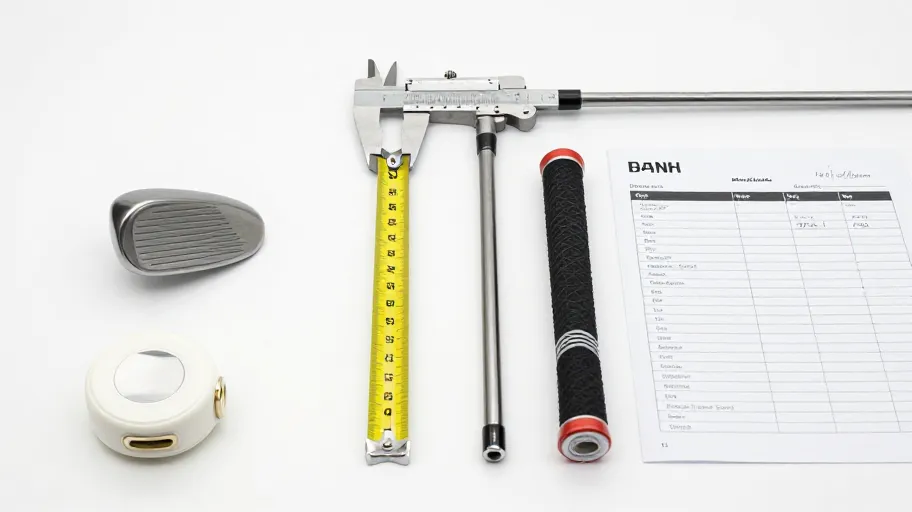
One municipal course operator mandated three key details in their RFQ: durometer-rated rubber, vulcanization duration, and torque calibration logs. Bid comparisons became apples-to-apples, cutting negotiation cycles by 60%.
Requiring technical transparency means lower lifetime costs because you avoid rework and extend product life. Their annual regripping spend dropped 30%—funds redirected into fleet renewal and staff training. Standardized RFQs don’t just lower prices—they build predictable performance at scale.
How to Write a Better RFQ
Starting with price targets invites variability. The real savings come from defining exactly what performance demands your environment places on each grip. A 2024 lifecycle analysis found 68% of premature grip failures traced back to undocumented specs—not wear and tear.
- Select compound type (silicone vs. rubber) based on climate—this means better tack retention and UV resistance because material choice matches real-world exposure.
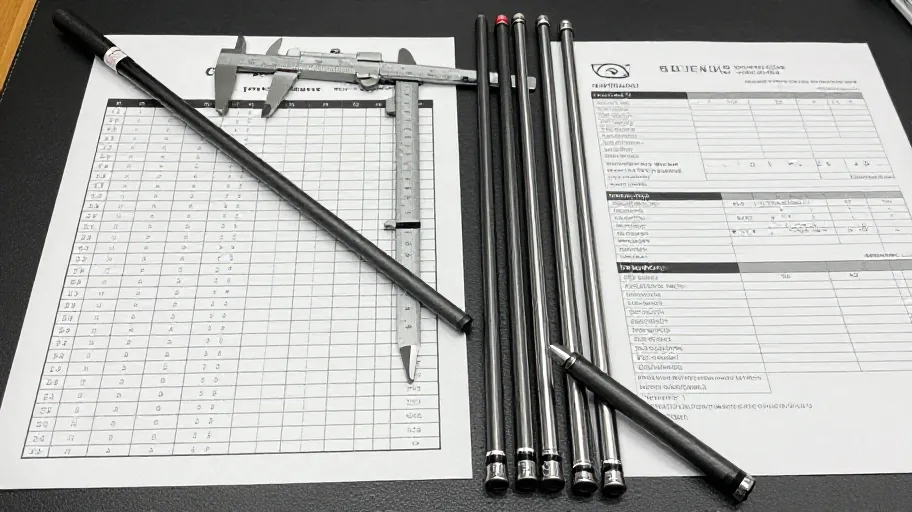
- Mandate wall thickness tolerance within ±0.5mm—this reduces material waste and ensures consistent feel because tighter tolerances prevent hand fatigue and misalignment.
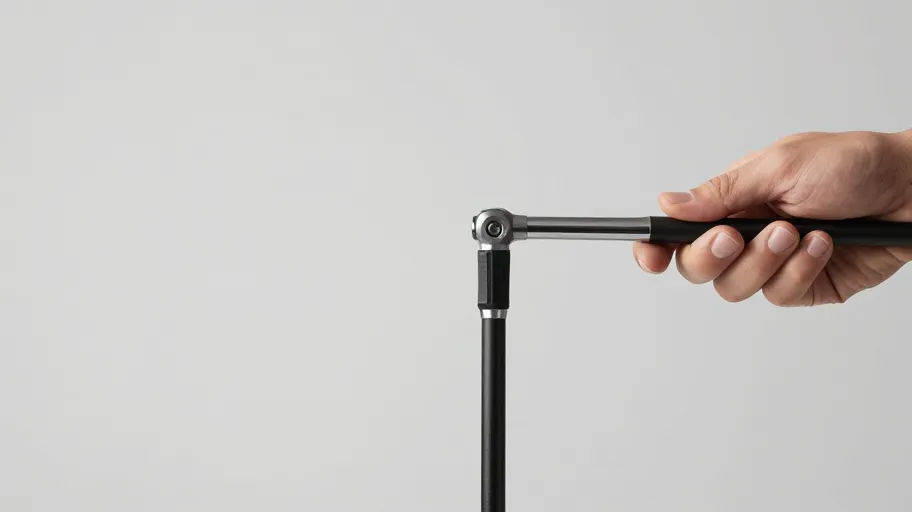
- Require torque calibration logs for tools—consistent 40–45 in-lb torque means no slippage and longer shaft life because proper installation prevents internal damage.
- Demand compliance documentation including batch traceability and wet-condition slip testing—this protects against liability because you can verify safety and consistency after installation.
These steps transform regripping from reactive maintenance into proactive asset management. You’re not just buying parts—you’re engineering reliability, cutting long-term costs by up to 30%, and boosting player satisfaction with every swing.
Master Your Swing, DIY Your Fit. DIY Golf is the premier destination for the technical golfer. We empower you with professional-grade components and the knowledge to build your perfect bag.