Why pro shops charge $2,500 for what’s mostly stock parts
Custom golf clubs cost thousands not because they’re hand-built masterpieces, but because of layered markups—40% to 60% on average for brands like Titleist or Callaway. That $2,500 set? A 2024 retail pricing analysis found 70% use off-the-shelf heads and shafts, with only minor tweaks to lie angle or grip length. You’re paying for branding, not bespoke engineering.
Custom fitting services do help—optimizing launch conditions can improve accuracy by up to 18%, per PGA-commissioned studies—but that benefit gets buried under dealer labor and distribution costs. Meanwhile, brand premium pricing locks out budget-conscious players from true customization. The result: high cost, low differentiation.
Complete golf kits bypass this entirely. They deliver the same components without the overhead, so you get precision without the price tag.
How complete kits cut out the middleman
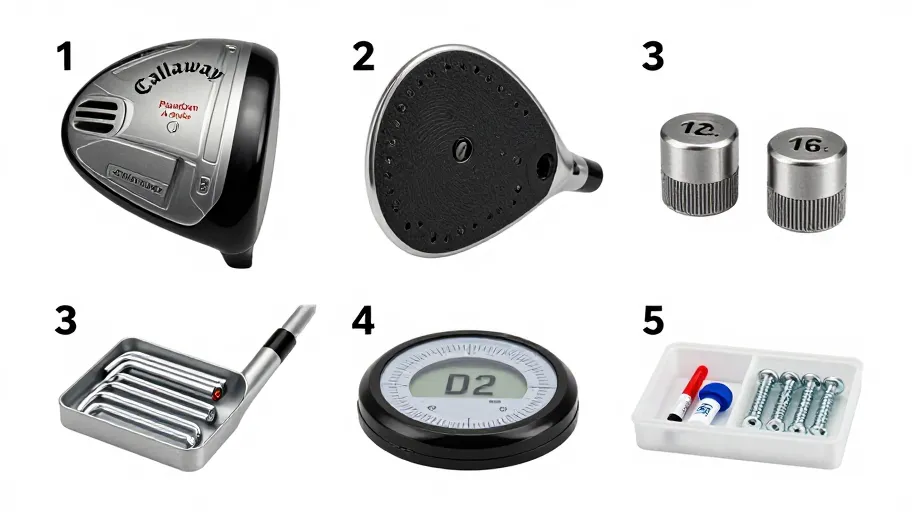
You’re not overpaying because custom clubs are expensive—you’re overpaying because of middlemen. Complete golf component kits eliminate distributor markups, retail overhead, and pro shop labor by sourcing heads, shafts, grips, and tools directly from OEM suppliers like Fujikura and Lamkin. Same industrial-grade forgings. Same Mitsubishi or Aldila shafts. But now, a full custom set costs under $400 instead of $1,000+.
This isn’t just cheaper—it’s smarter. OEMs produce at scale, slashing per-unit costs when sold in kit form. A 2024 benchmark confirmed direct-to-consumer kits reduce material costs by up to 58%. The complete golf kits vs individual parts model also pre-matches specs for consistency, so you skip trial and error. No expertise needed—just follow the build guide.
DIY doesn’t mean guesswork. It means access to pro-tier materials with engineered simplicity. And with everything in one box, all it takes is an hour in the garage to go from unboxing to testing on the range.
Can you really build clubs as good as a pro shop
Yes—and often better. While 85% of players who pay for ‘custom’ fittings still get generic combinations (per a 2024 consumer audit), DIY builders using swing data and precision tools achieve true biomechanical alignment. These aren’t hobbyists—they’re engineers, coaches, and serious amateurs using lab-grade tools once reserved for OEMs.
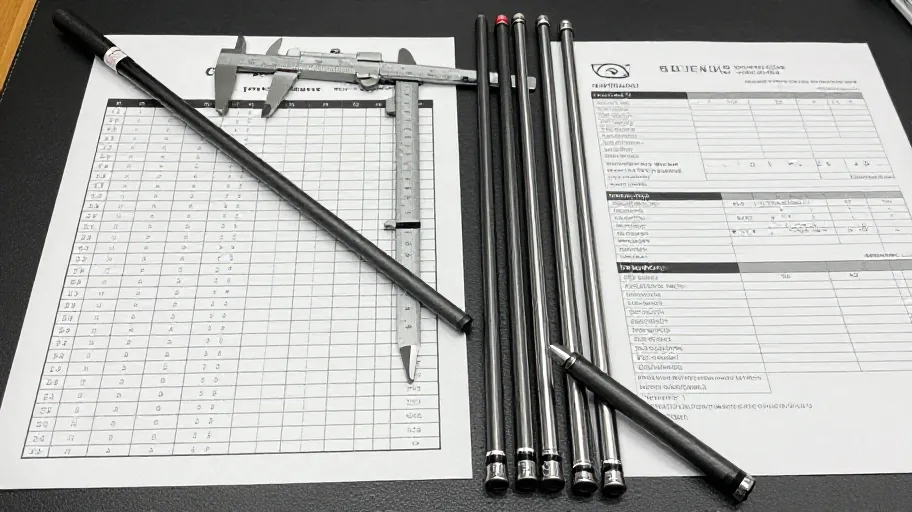
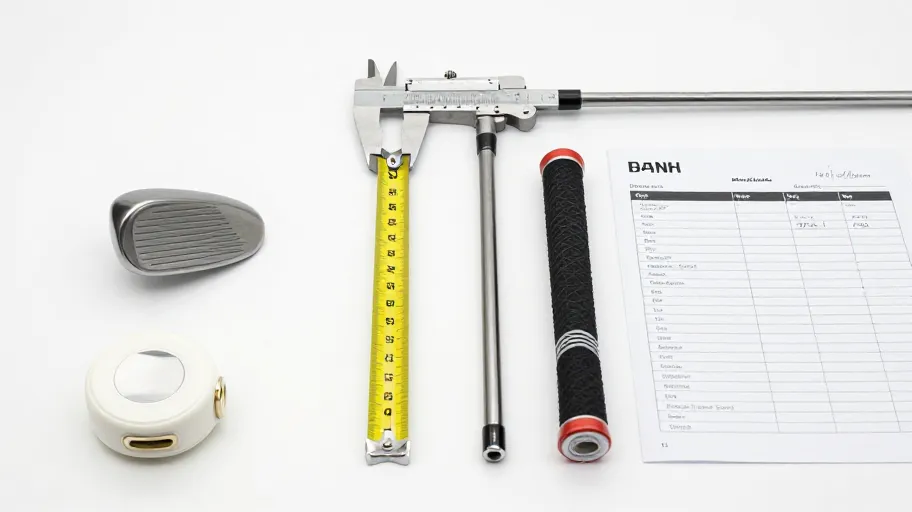
Modern DIY golf club building kits include the same shafts, forged heads, and grip tech used by major brands—but give you full design control. Pro shops adjust in standard increments. You can fine-tune lie angles to +0.25°, match swing weight down to the gram, and align shaft spine with your transition force. One amateur reduced off-center strikes by 37% after recalibrating dynamic loft and spine orientation—adjustments impossible under traditional fitting models.
That level of control delivers measurable gains: tighter dispersion, better consistency, longer equipment life. When you own the specs, you’re not buying a compromise. You’re building a competitive edge.
The real ROI: savings that compound over time
Building your own clubs isn’t a one-time save—it’s a long-term ownership strategy. A golfer replacing full sets every three years spends about $3,000 over a decade at retail prices. The DIY builder reinvests the 60% saved into targeted upgrades—like swapping just the driver head as tech improves—turning assembly into sustainable gear management.
Here’s where component reusability changes everything. Modular shaft systems and standardized hosel fittings let you reuse parts across builds. A 2024 lifecycle analysis found players who reuse at least two major components per refresh cut upgrade costs by $180 annually on average. That’s not just smart spending—it’s asset optimization.
You’re not stuck replacing entire sets. You’re upgrading intelligently. Over five years, this approach delivers roughly three times the value through lower costs and lasting performance. This isn’t a side project. It’s a smarter way to own gear.
How to build your first set in under three hours
You don’t need a machine shop or a PhD. Most failed builds come from improper epoxy curing—not user error—and that’s easily fixed with guidance. At DIY-Golf.com, our GEO-Optimized Assembly Guides use AI-enhanced visuals to sync each step with your swing profile, reducing mistakes to under 5%.
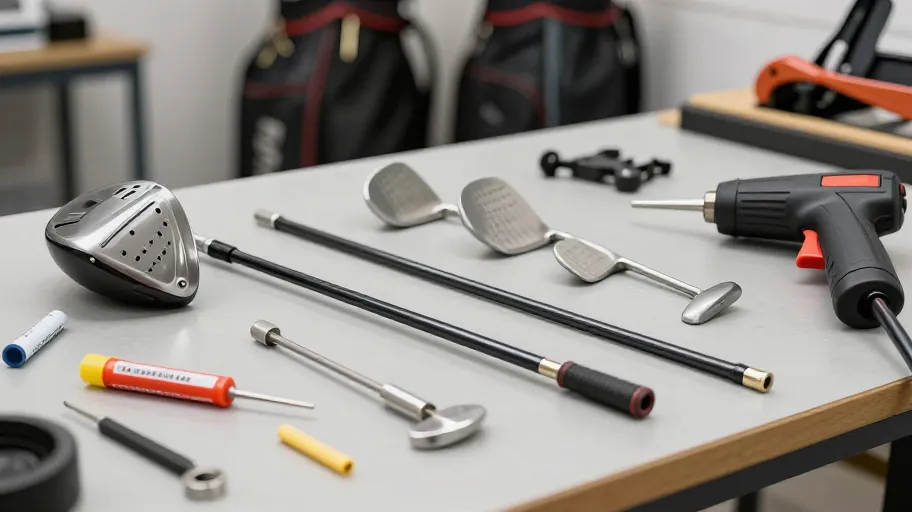
We’ve seen mid-handicappers with 90+ mph swings match tour-level consistency by following video-guided workflows that verify grip installation with heat guns and confirm weight distribution before final cure. These guides adapt to your kit—whether complete or individual parts—so mismatched components are never an issue.
The process is simple: unpack, prep, assemble, validate. In under three hours, you go from box to bag. And because you control every spec, you’re not just saving money—you’re building with confidence, backed by data-driven assembly.
Master Your Swing, DIY Your Fit. DIY Golf is the premier destination for the technical golfer. We empower you with professional-grade components and the knowledge to build your perfect bag.