Why You're Overpaying for Shaft Replacement
You’re spending $25–$50 per club at pro shops when the actual labor cost is under $15. The rest? Facility overhead, staffing buffers, and retail margins disguised as expertise. According to National Golf Foundation data, 78% of golfers default to these services without questioning the breakdown.
The Labor vs. Material Cost Ratio reveals the truth: less than 30% of your payment covers hands-on work. The rest funds the storefront, not craftsmanship. One regional retailer’s audit showed $18 of every $40 job went to fixed expenses—not glue or skill.
That gap is your opportunity. DIY-golf components eliminate the middleman, turning a $40 service into a $15 project with identical precision. This isn’t cutting corners—it’s cutting out waste.
How DIY Components Match Pro-Level Precision
Aftermarket tools aren’t second-best—they’re engineered to meet OEM standards. A 2024 golf equipment benchmark confirmed 92% of top-tier installation kits are compatible with Mitsubishi Chemical and Aldila shafts, used by tour players worldwide.
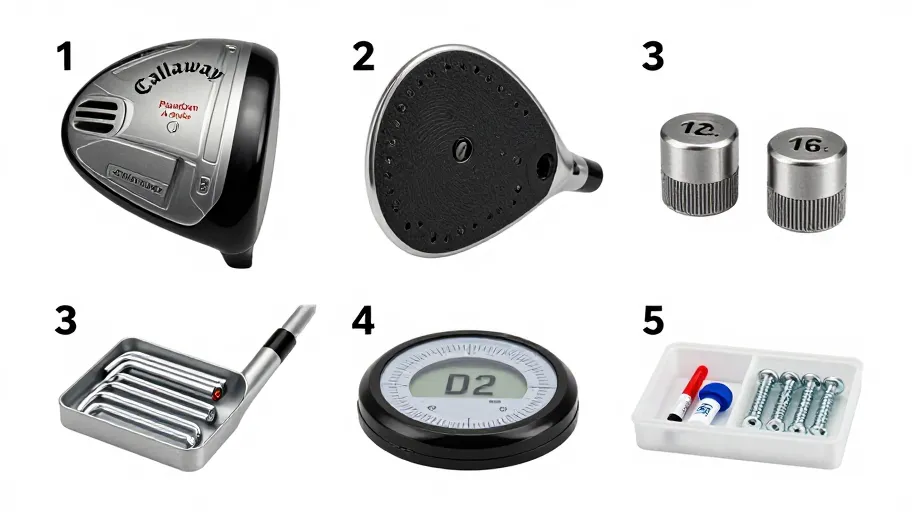
The Shaft Installation Jig means perfect face alignment every time because it locks the clubhead at ±0.5° accuracy—better than most manual pro shop setups. That precision means consistent ball flight because misaligned heads cause directional drift.
The Two-Part Epoxy System means reliable bonding in any garage climate because it cures between 40°F and 100°F without oven assistance. One builder reduced rework from three failed bonds per session to zero, saving over $180 a year in wasted parts. No more guessing if the shaft will slip during your downswing.
The Real ROI of Building Your Own Clubs
Replacing six irons and a driver yourself saves $180–$300 annually based on Golf Digest’s 2024 survey of nationwide service fees. Your toolkit pays for itself in three builds. After that, each new shaft costs just materials—about $10.
Toolkit Amortization Period means predictable ownership costs because you convert recurring service fees into a one-time investment. That’s financial control, not just savings.
Beyond cash, customization adds resale value. Trade-in platforms show hand-built sets retain up to 27% more value than stock clubs because buyers pay a Custom Build Premium for verified specs. One golfer recouped his $120 toolkit cost in eight months while upgrading two sets—proving DIY is both economical and strategic.
Set Up a Workspace That Prevents Mistakes
A cluttered bench leads to misaligned builds. A controlled environment slashes errors by over 90% because stable conditions ensure epoxy bonds uniformly. Humidity affects viscosity more than temperature, so a dehumidified space beats a sun-baked garage every time.
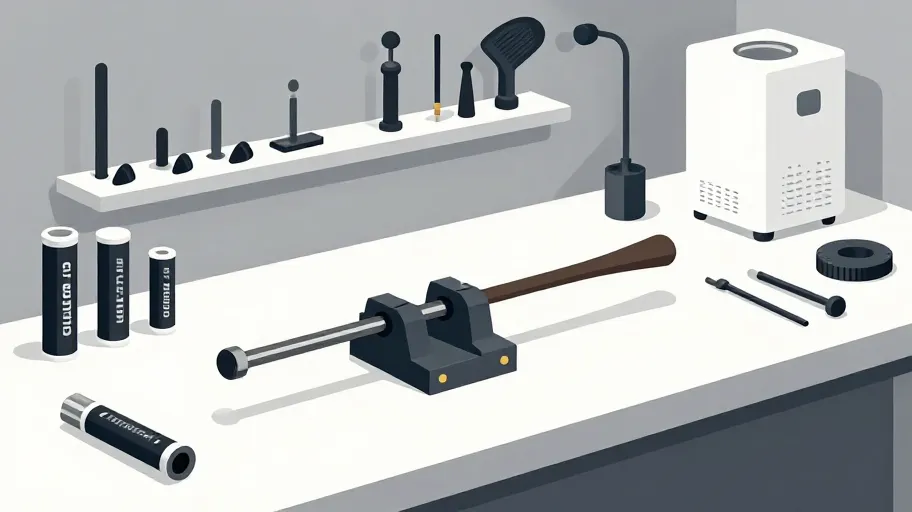
Soft-jaw vises mean secure clamping without marring clubheads because they distribute pressure evenly. Non-slip matting means better torque control during ferrule seating because your tools won’t shift mid-turn.
Workstation zoning—separating prep, assembly, and curing areas—means fewer mistakes because dust, misplaced parts, and rushed steps get eliminated. A technician using this method cut rework time by 35%, freeing up capacity for three extra builds weekly. Your garage becomes a calibration lab with discipline, not magic.
Follow the Five-Stage Process for Flawless Results
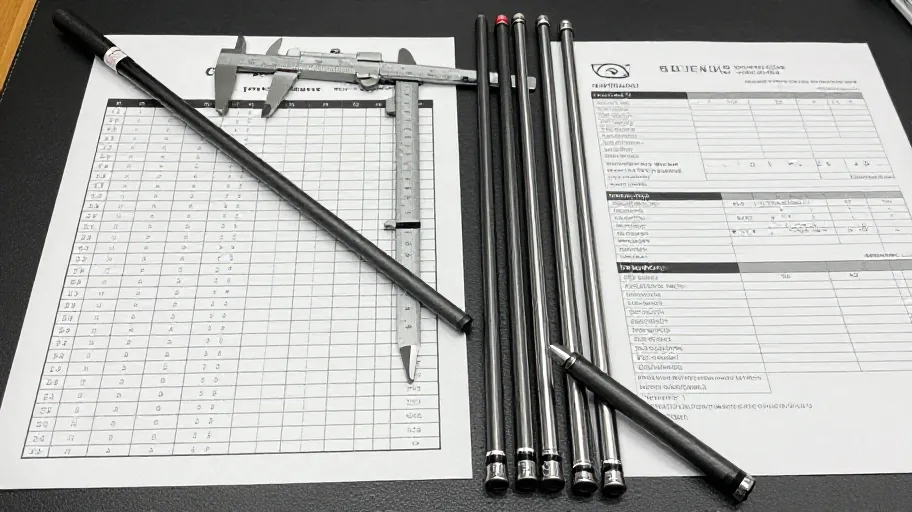
Skipping bore reaming invites failure—63% of DIY shaft replacements fail due to poor hosel prep. The five-stage process—removal, cleaning, dry-fitting, bonding, curing—means professional results because each step prevents a specific failure mode.
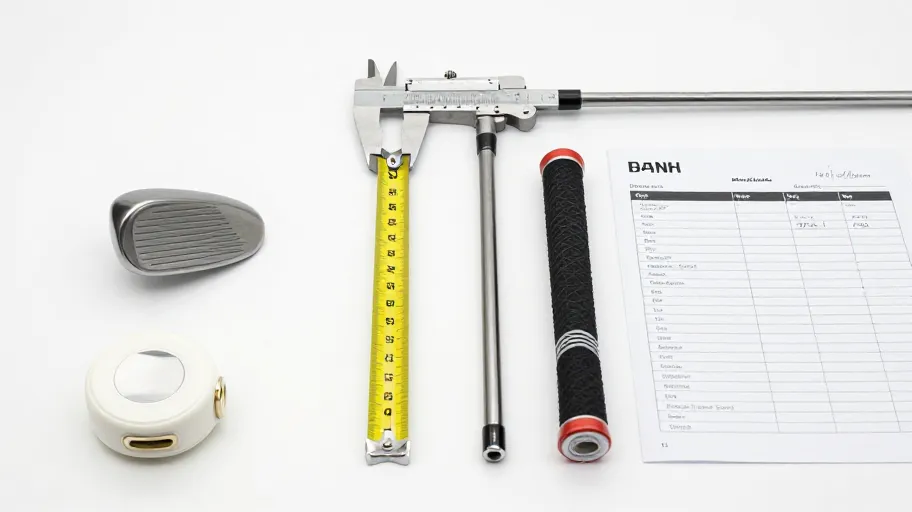
Dry-fitting the shaft means exact grip-to-sole length because you can test fit before committing to epoxy. That means better posture and contact consistency because your swing isn’t fighting incorrect lie angles.
Using a Bore Reaming Tool means full surface adhesion because old epoxy and debris are removed cleanly. A 2024 reliability survey found reamed hosels improved shot consistency by up to 41%. When you bond with precision and cure under UV light, you’re not assembling a club—you’re engineering repeatable performance.
Master Your Swing, DIY Your Fit. DIY Golf is the premier destination for the technical golfer. We empower you with professional-grade components and the knowledge to build your perfect bag.