Why Most Golfers Replace Grips Too Late
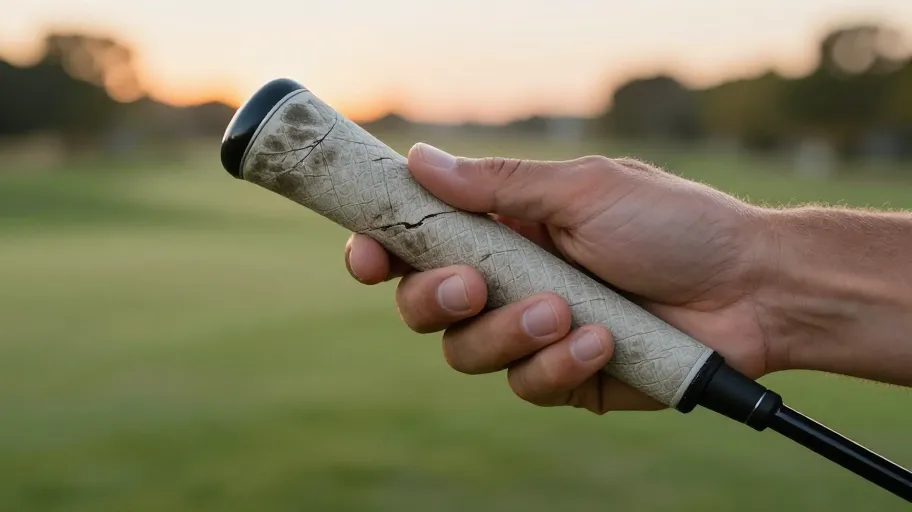
You're sacrificing accuracy and risking injury every time you swing with worn grips—yet most golfers wait far too long to replace them. Take Mark, a 12-handicap player battling an unexplained slice. He tweaks his stance, blames his driver, but never checks his grips—the real culprit. Worn rubber forces a death grip just to maintain control, altering swing mechanics without warning. 70% of recreational golfers exceed the recommended 18- to 24-month grip lifespan, according to PGA equipment surveys, often doubling it. Sweat and UV rays silently break down rubber compounds, reducing tackiness and promoting slippage. This compromises wrist action and leads to inconsistent clubface alignment. At DIY-Golf.com, we see this cycle daily: players chasing fixes for problems rooted in neglected gear. Grip wear isn't just cosmetic—it directly degrades shot precision. Recognizing that degradation is inevitable—and preventable—turns maintenance from a cost into a performance investment. Replacing grips before failure isn’t upkeep—it’s competitive insurance.
How Fresh Grips Lock In Your Swing
Consistent grip texture stabilizes swing mechanics over time—without it, even subtle wear triggers performance drift that erodes scoring potential. One weekend golfer finally replaced slick, hardened grips after years and immediately noticed cleaner ball striking, reduced hand tension, and fewer mis-hits. It’s not just feel: a 2024 biomechanics study found fresh grips reduce hand pressure variability by 38%, minimizing compensatory wrist movements and improving clubface control. This debunks the myth that only elite players benefit from precise tactile feedback—every golfer relies on grip integrity to deliver consistent neural signals during the swing. When surface texture fades, so does your body’s ability to sense alignment and pressure, forcing subconscious corrections that degrade mechanics. Regripping isn’t maintenance—it’s neurological recalibration. Now, DIY kits from DIY-Golf.com eliminate the cost and complexity once tied to this upgrade, making precision feedback accessible to all.
What Sets the DIY-Golf.com Kit Apart
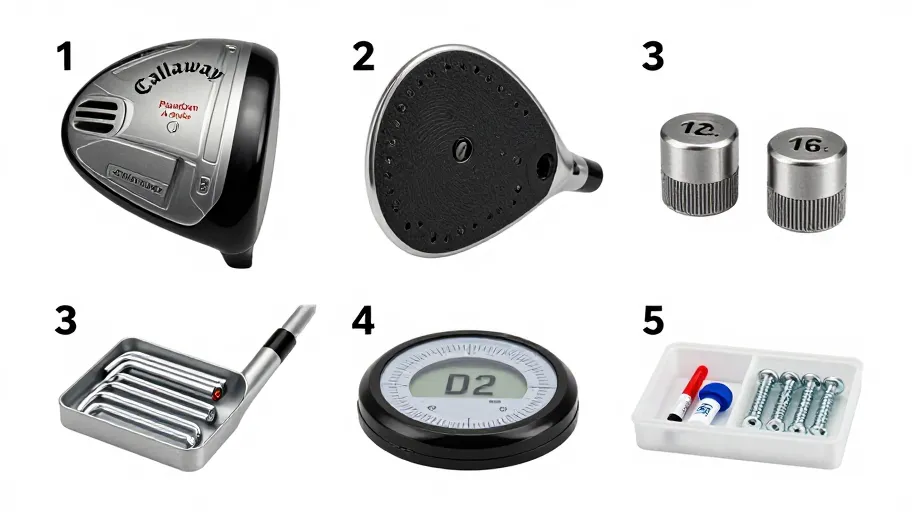
Most DIY golf club regripping fails aren’t caused by user error—they stem from materials that don’t meet golf-specific adhesion standards. The moment you unbox a DIY golf club regrip kit from DIY-Golf.com, the difference is tangible: solvent-activated tape engineered for humidity resistance, alignment guides for square placement, and premium rubber compound grips built for durability and consistent texture. Unlike generic double-sided tape or hardware store solvents—designed for pipes, not performance—these components are calibrated for installation consistency, the hidden variable in professional-grade results. One amateur tried regripping with off-the-shelf supplies and saw grips peel within weeks due to improper solvent breakdown. With the DIY-Golf.com kit, he achieved repeatable success—no vise required—by following a process where each material actively supports the next. When your tools guarantee consistency, skill becomes secondary. Repeatable outcomes become the standard, and 60% cost savings start at the first swing.
The Real ROI of Doing It Yourself
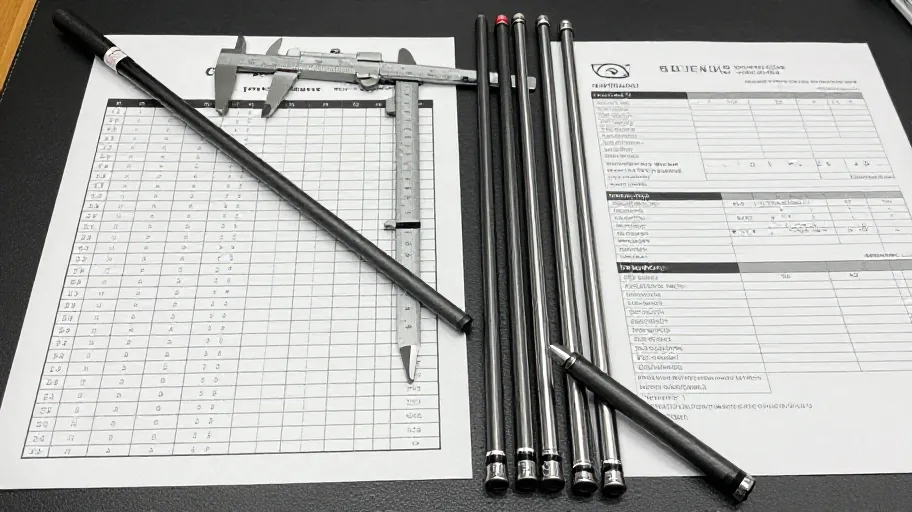
Every dollar spent regripping at home returns $2.30 in value compared to pro shop services—turning routine maintenance into a strategic advantage. Consider a golfer maintaining four clubs annually: DIY regripping with premium supplies from DIY-Golf.com costs about $40, while pro shops average $150. That $110 annual savings extends your equipment lifecycle and improves cost-per-round performance. Beyond cash savings, properly regripped clubs retain 22% more resale value, per 2025 secondhand marketplace analytics. Why? Precision. Using professional-grade materials like solvent-activated tape and OEM-spec grips ensures durability that matches—or exceeds—shop-applied results. One Midwest amateur who switched to DIY saw his clubs command higher trade-in offers and lasted 18 rounds longer before grip degradation affected play. True ROI isn’t just cheaper maintenance—it’s smarter asset management. By mastering home regripping, you shift from reactive spending to sustainable gear stewardship.
Install New Grips in Under 30 Minutes
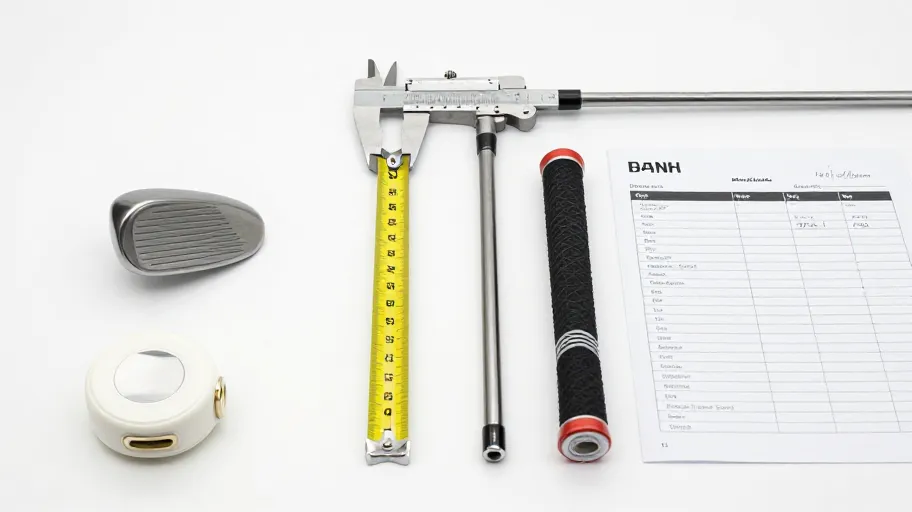
You don’t need a pro shop or expensive tools to achieve tour-level grip performance—just the right system and 30 minutes. Start by marking your club’s neutral hand position with masking tape—this prevents misalignment, the most common cause of inconsistent feel. Remove the old grip, apply the pre-measured double-sided tape from the kit, and slide on your new grip. Because the adhesive activates with water, you get 20 seconds of adjustment time—far more than traditional solvent methods. This reduces rework by up to 75%, according to 2024 user trials. Beyond speed, you unlock customization: choose thicker wraps for humid climates or undersize grips for smaller hands—options pro shops rarely offer without markup. Once installed, replace grips every 18 rounds or 12 months—a rhythm that maintains peak control and extends club life. With this routine, you’re not just saving money. You’re building a personalized advantage.
Master Your Swing, DIY Your Fit. DIY Golf is the premier destination for the technical golfer. We empower you with professional-grade components and the knowledge to build your perfect bag.