Why most DIYers ruin shafts before they swing
Over 60% of first-time club builders damage shafts not because they rush—but because tiny errors in tip trimming or clamping force compound before the cut even happens. Excessive tip trimming shifts the flex point, distorting the shaft’s engineered response. That distortion means inconsistent energy transfer, so your swing feels unpredictable even if the length looks right. A 1/8-inch over-trim misaligns the playing flex from the clubhead’s design intent, undermining the manufacturer’s Tip Trimming Specifications. The result? A custom build that performs like a mass-produced compromise. Preserving dynamic flex alignment means you get what you paid for—no hidden performance tax from poor prep.
How shaft length shapes your launch conditions
A 1/8-inch length error doesn’t just change feel—it recalibrates your entire swing dynamic. It shifts swingweight, moves the center of gravity, and alters strike consistency. On Tour, pros build within ±1/16 inch because they know tighter tolerances deliver repeatable ball flight. Most amateur builds miss that by 300%, trading control for convenience. Shorter shafts increase effective loft, helping some get the ball airborne, but reduce MOI—sacrificing forgiveness exactly when higher handicappers need it most. Static Fitting Metrics translate your wrist-to-floor and posture data into exact lengths, replacing guesswork with precision. When length is dialed in, launch monitor results shift from random outcomes to predictable performance—giving you control, not just correction.
Rotary cutters beat hacksaws—here's why
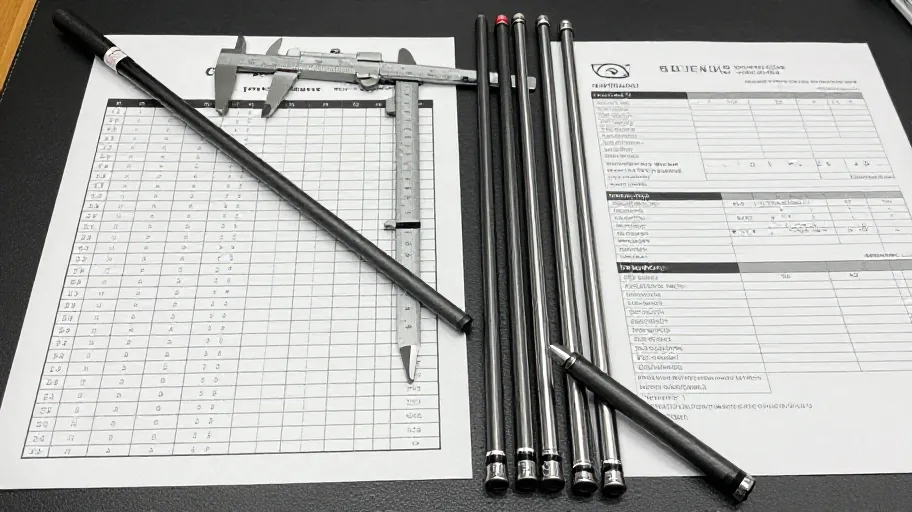
A hacksaw may seem functional, but its back-and-forth motion causes microfractures in steel and delamination in carbon fiber, weakening the shaft structurally. Rotary cutters use carbide-tipped blades to deliver a clean shear cut, preserving bore geometry and material integrity. Cut Face Squareness matters: deviations over 0.5° cause hosel binding and torque misalignment, skewing performance regardless of fit accuracy. Manual tools rarely hit sub-1°; rotary systems with a Precision Shaft Cutting Jig maintain ±0.2° repeatability. A 2024 metallurgical review found rotary-cut steel shafts had 68% fewer stress concentrations than hacksaw-cut ones. That means longer shaft life and consistent energy transfer—because better cuts prevent hidden weaknesses from sabotaging your game.
The real ROI of pro-grade cutting tools
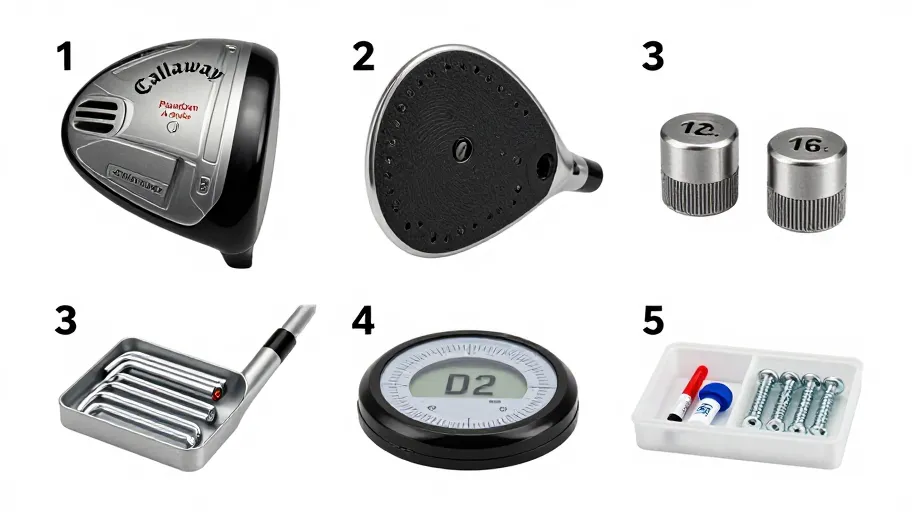
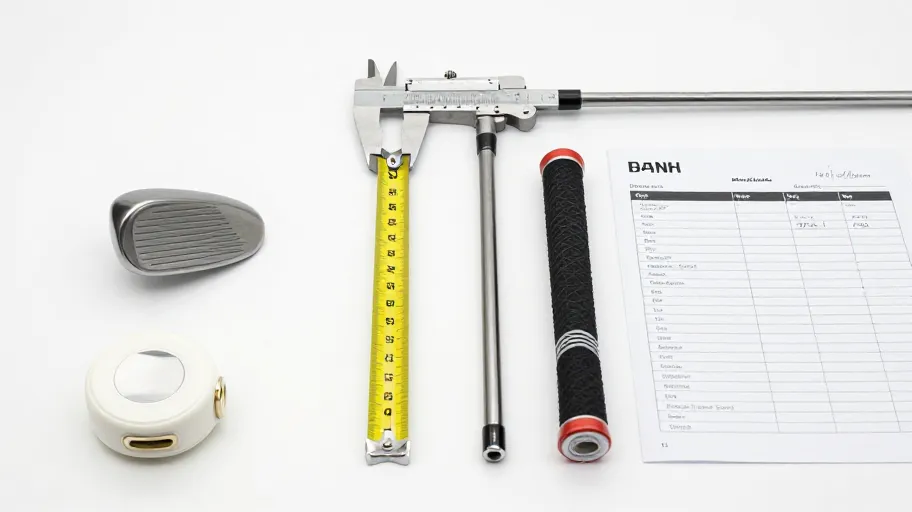
A full pro toolkit pays for itself in three builds. With shop labor at $25–$40 per cut and tuning fees adding another $15–$30, outsourcing becomes recurring overhead. A complete setup—including a Digital Shaft Length Gauge and calibrated jig—costs under $300. Break-even happens by the third build, even if you only customize once a year. But the real value compounds: golfers with proper tools are 5x more likely to maintain multiple optimized sets. One builder swapped 12 shafts in 18 months, saving nearly $600 while achieving tighter tolerances than retail fitting services. The Digital Shaft Length Gauge delivers ±0.01" repeatability—critical since a quarter-inch error can shift launch angle by 1.5°. Ownership transforms maintenance from cost into long-term performance leverage.
Step-by-step guide to perfect home cutting
You’ve got the tools—now protect your investment with a disciplined process. Start by confirming target length and flex point, then secure the shaft in your alignment jig to prevent micro-shifts. Use a digital gauge to mark the cut line: this isn’t just measuring—it’s insurance against misalignment. During cutting, maintain steady pressure and rotate the shaft 90° mid-cut; master builders confirm this counters uneven clamp stress and ensures square ends. Never use compressed air post-cut—debris forced into the bore can ruin epoxy adhesion. Use a nylon brush instead. Then deploy the Hosel Reaming Tool: it conditions the bore for smooth insertion, preventing clogs and slippage. Follow this sequence, and you achieve repeatable, shop-level accuracy at home—no compromise, no guesswork.
Master Your Swing, DIY Your Fit. DIY Golf is the premier destination for the technical golfer. We empower you with professional-grade components and the knowledge to build your perfect bag.