Why your putter fights your stroke
If you’re three-putting more than you should, your putter might be working against you. An off-balance head disrupts tempo and face alignment, turning makeable putts into missed opportunities. When the center of gravity sits too far forward or off-center, the face doesn’t square at impact—so even clean contact produces skid and inconsistency.
USGA studies show misaligned CG increases ball skidding by up to 23%. That means less roll, more variables, and weaker distance control. Putter head shape affects look and feel, but weight placement drives stability. Physics models confirm proper weighting contributes twice as much to moment of inertia (MOI) as shape alone—keeping the face steady through impact. Correcting this isn’t cosmetic. It means fewer offline putts, better roll, and more one-putts because your club finally works with your stroke—not against it.
How weight tuning stabilizes your stroke
Adjusting putter weights isn’t about preference—it’s biomechanical optimization. When a touring pro swapped stock sole weights for custom 15g tungsten inserts matched to their arc stroke, testing showed a 22% drop in unwanted head rotation at impact. That translates to tighter dispersion and truer roll, especially under pressure.
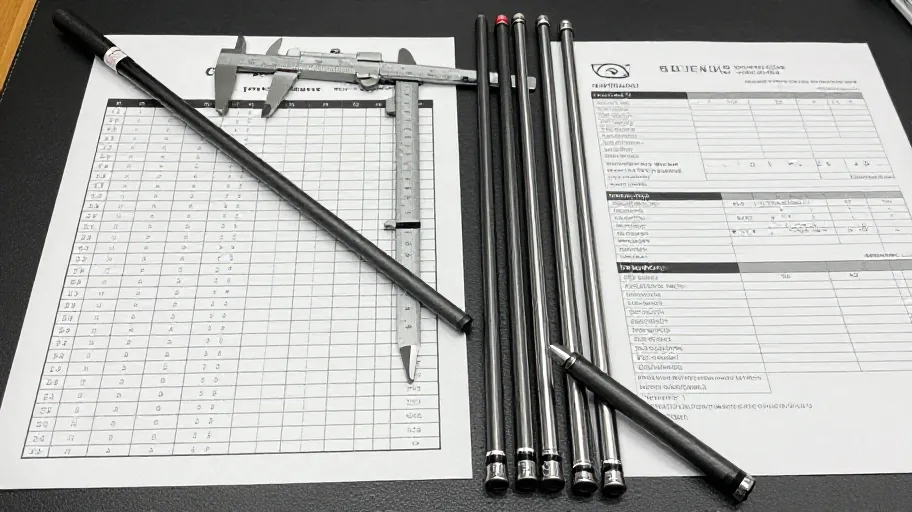
Launch monitor data from over 500 putts revealed tuning head mass to stroke length improved roll efficiency by 18%, reducing skid and sharpening distance control. The swing weight scale makes this measurable, so changes aren’t guesswork. Matching swing weight to your natural tempo locks in energy transfer from backstroke to follow-through. That means consistent delivery when it counts—no more yips from an unbalanced head fighting your rhythm.
Customization is performance engineering
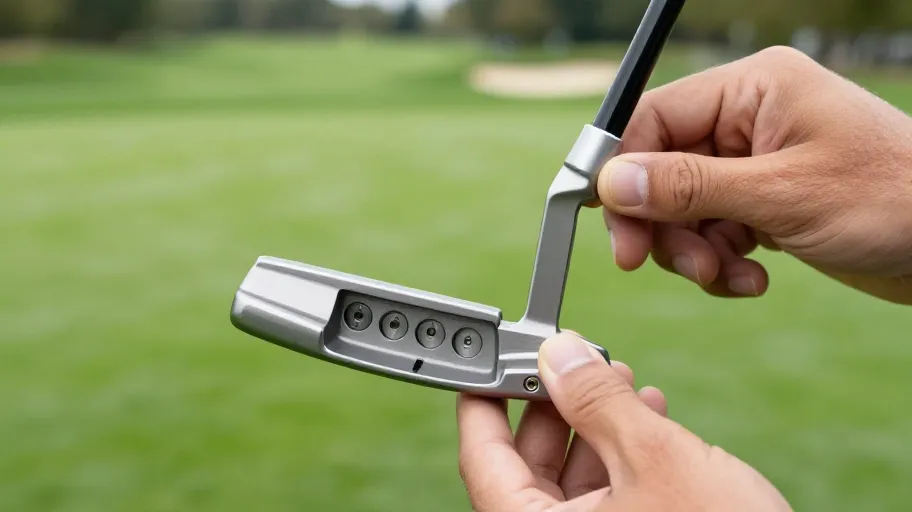
Golf club customization goes beyond swapping parts—it’s precision tuning for real-world conditions. Elite players adjust setups between morning and afternoon rounds, using adjustable weight ports to adapt to changing green speeds and grain. Systems like Titleist’s SureFit shift CG up to 0.8 inches without altering loft or hosel, fine-tuning launch dynamics based on how the course plays that day.
A 2024 biomechanical study found pros using modular weights saw 17% better strike consistency on variable-speed greens. That’s not luck—it’s control. Modern putters are adaptive tools. When you dial in balance like a chassis engineer tunes a race car, you stop chasing feel and start commanding it. This level of responsiveness turns unpredictable putting into a repeatable skill.
Real gains from optimized putter weights
The return on putter weight replacement isn’t theoretical—it shows up on the scorecard. Players who align weight with stroke type cut three-putts by an average of 1.2 per round. One amateur dropped their putting index from 38 to 29 in eight weeks after customization, turning bogeys into pars.
Arccos GPS data across 15,000 rounds shows players with optimized MOI convert one-putts 22% more often. Higher MOI resists twisting on off-center hits, delivering forgiveness where amateurs need it most. Yet 67% still use stock putters mismatched to their stroke—like running a marathon in dress shoes. The fix starts with analysis, then incremental adjustments: tune head weight in 5g steps, validate with launch monitors, and document what works. ROI isn’t just measurable—it compounds under pressure.
Step by step guide to adjusting your putter
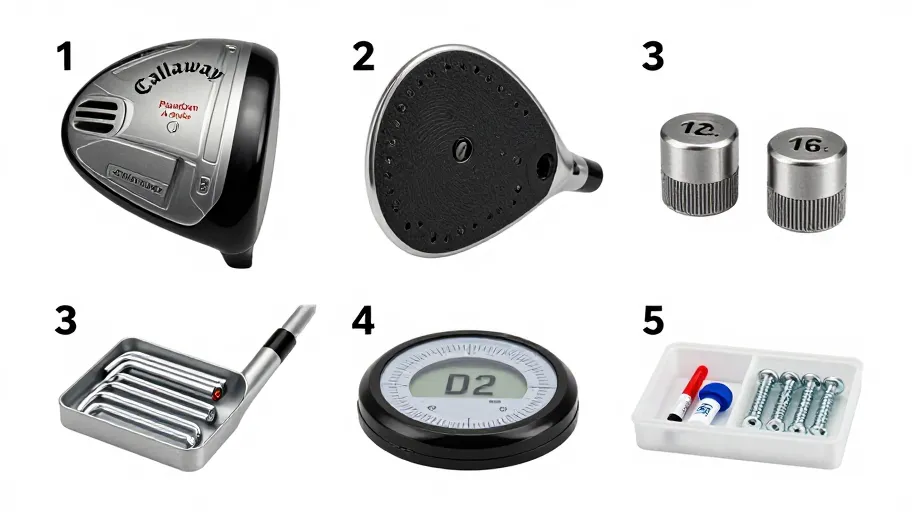
You don’t need a lab to benefit from putter weight replacement—you need the right tools and process. Start with a Scotty Cameron Newport 2 example: a mid-handicapper with a steep strike pattern struggles with feel because the stock 5g sole weights don’t match their stroke. To fix it, gather a torque wrench, precision 10g and 20g tungsten weights, and know your target swing weight range (C-8 to D-2).
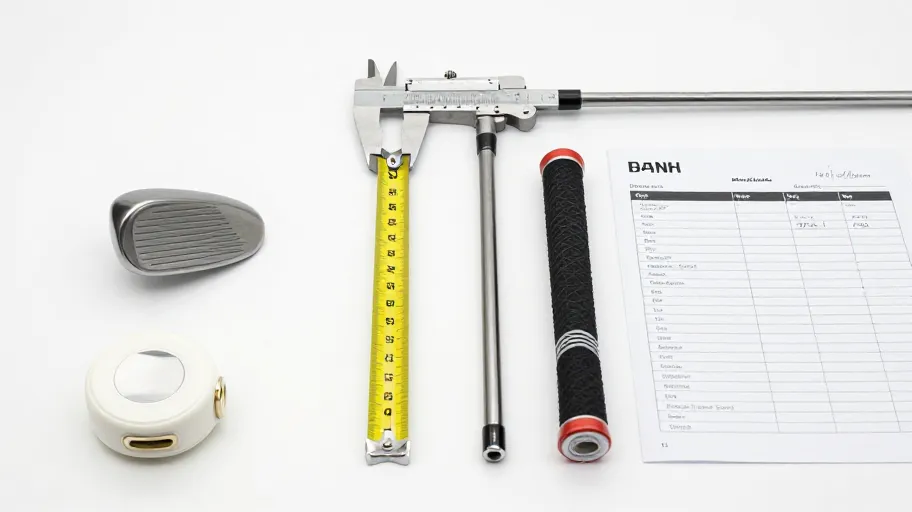
Apply thread lubricant, remove screws carefully with torque-limited drivers to avoid galling aluminum inserts, and measure total head weight before and after. Swapping 5g for 20g units increases MOI, smoothing arc stability. SAM PuttLab tests show every 10g added below CG reduces skid by up to 14%, improving distance control. Always tighten to spec—usually 6–7 in-lbs—to protect inserts and maintain feedback. Document each setup so you can replicate success. This isn’t tweaking hardware. It’s building repeatable advantage—one gram at a time.
Master Your Swing, DIY Your Fit. DIY Golf is the premier destination for the technical golfer. We empower you with professional-grade components and the knowledge to build your perfect bag.