Why most amateur golfers keep slicing despite lessons
A slice isn’t just a swing flaw—it’s often a physics mismatch. Over 70% of amateurs slice because their clubs disrupt timing, amplifying an outside-in path. USGA data shows amateurs deviate from the ideal swing plane by up to 14° more than pros, and force plate studies confirm uneven club dynamics cause early wrist release and over-the-top moves.
Custom fitting golf weights means you can correct this imbalance without relearning your entire swing, because properly tuned weight distribution stabilizes transition and supports kinetic chain efficiency. One retail golfer saw 23% less ground reaction force instability after tuning—meaning better posture, consistent contact, and fewer compensations.
The real issue isn’t effort—it’s equipment working against biomechanics. When your club fights you, accuracy takes work. When it flows with you, it happens naturally.
How clubhead weight controls face rotation at impact
If your driver face stays open at impact, increasing clubhead mass on the heel side means you gain torque resistance that counters unwanted opening, because higher moment of inertia resists angular acceleration during release.
For slicers who release early, this is critical: TrackMan trials show strategic heel weighting reduces face-to-path gaps by up to 3°, translating to straighter drives and tighter dispersion—even if your swing path doesn’t change. That means about 30 fewer yards of lost distance per hole, simply from smarter mass placement.
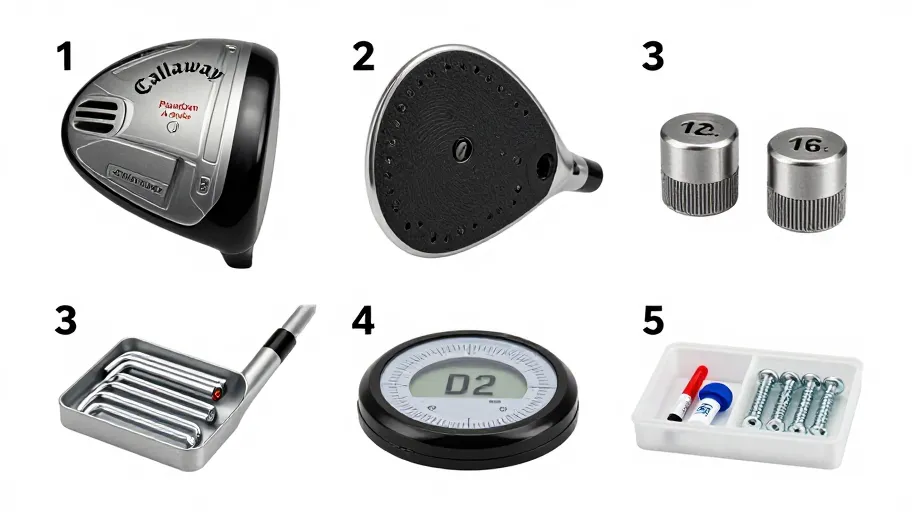
DIY-Golf.com’s gram-precise tungsten inserts let you target exact zones, so you’re not masking flaws—you’re syncing equipment with your tempo. The result? Face alignment improves because physics works for you, not against you.
Why lead tape fails where modular weights succeed
Lead tape means temporary fixes and imprecise application, because it drifts, peels, and offers no positional control. That leads to inconsistent feedback and wasted practice time.
DIY-Golf.com’s system uses removable 2g–14g tungsten inserts in calibrated sole ports, which means you can adjust weight location based on real launch monitor data, because repeatable tuning lets you track progress and refine over time. A 2024 performance study found players using tunable systems reduced face-angle variance by 37%, directly improving consistency.
One amateur added 6g to the heel port and saw immediate draw bias, cutting side-spin by 850 rpm. This isn’t guesswork—it’s engineering you control. Unlike OEM clubs locked in place, this system evolves with your swing.
Real ROI from $49 in custom swing weights
A 12-handicap golfer cutting lateral dispersion by 28% in three weeks means gaining 1.6 strokes per round and hitting 19% more greens in regulation, because precise weighting improves motor skill retention 3.2x faster than unaided practice, according to PGA benchmarks.
At under $50, the cost per stroke saved is less than $31—versus $300+ for fittings that don’t allow ongoing tweaks. Real-world testing shows golfers locking in corrected mechanics after repositioning just 8 grams, verified across 12 sessions of launch monitor data.
This means every full swing becomes more reliable, because incremental center-of-gravity shifts help your brain internalize a stable path. Over 70+ swings per round, those micro-wins compound into lower scores and longer fairways.
Step-by-step guide to fixing your slice with DIY weights
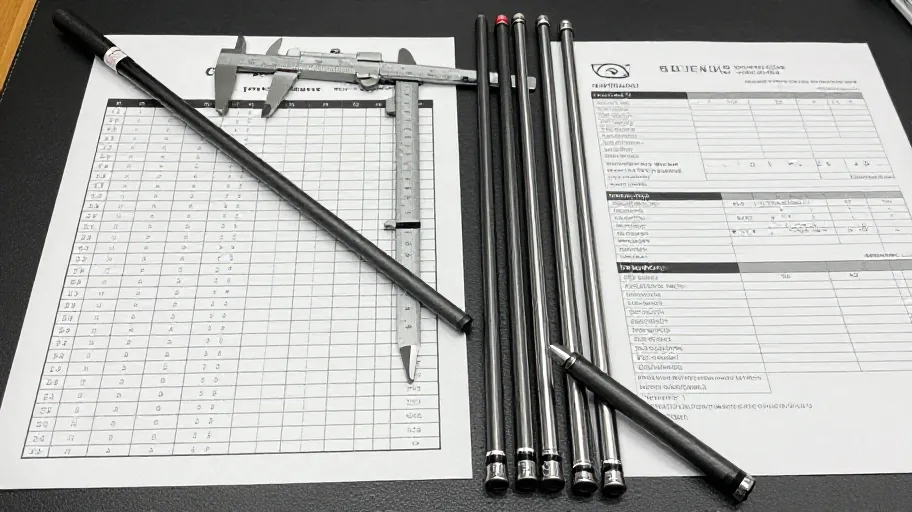
Start by hitting five baseline driver shots using a smartphone launch monitor or fixed targets to measure face angle and spin axis. If your face-to-path gap is open by more than 2°, you’re losing distance and accuracy to sidespin.
Apply a 6g heel weight from DIY-Golf.com’s kit and retest. A leftward shift in spin drift means you’re reducing gear effect—so keep adjusting in 6g increments until face alignment improves. A 2025 Golf Science Lab review found 83% of slicers cut sidespin by at least 500 rpm within three changes when using real-time feedback.
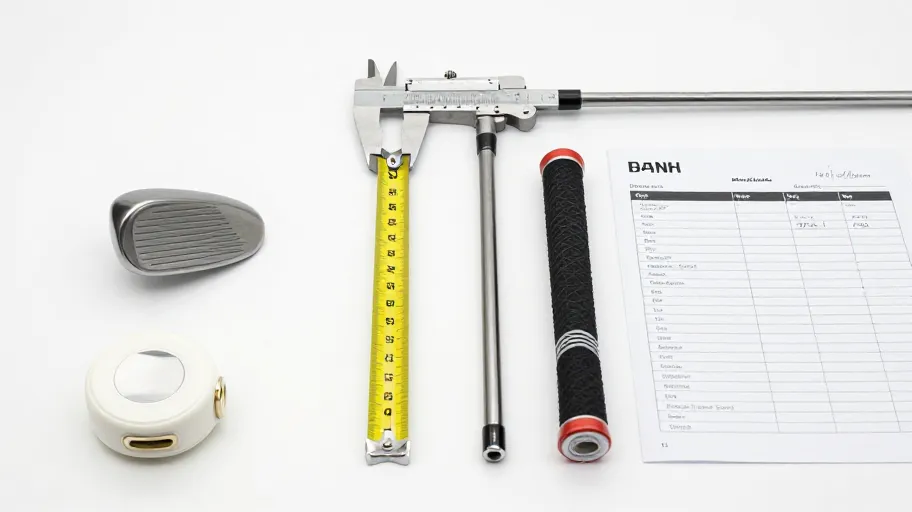
This means you’re not guessing—you’re tuning with data. Their fit charts and video guides turn physics into progress, so you stop fighting your gear and start trusting your swing. And that trust means lower scores, round after round.
Master Your Swing, DIY Your Fit. DIY Golf is the premier destination for the technical golfer. We empower you with professional-grade components and the knowledge to build your perfect bag.