Why lessons aren’t fixing your slice
Most golfers spend hundreds on coaching and gear but still fight the same outside-in path. That’s because traditional instruction targets mechanics without addressing balance and center-of-gravity shifts during transition. When your swing plane collapses early, sidespin spikes—no amount of ‘keep your head down’ fixes that.
Swing Plane Misalignment means flawed physics is overriding good advice. Over half of all swing faults stem from this imbalance, according to PGA-certified instructors. Correcting it isn’t about form—it’s about force. Custom weighting adjusts how the club moves through space, so your body learns the right path naturally. Because when the tool changes, the movement follows.
How weighted training rewires your brain
You’ve repeated bad swings hundreds of times. That’s not just poor form—it’s deep muscle memory. But research in motor learning shows resistance-based training accelerates neuromuscular adaptation by up to 58% compared to repetition alone (Journal of Sports Sciences, 2025). Adding weight to the clubhead or shaft means your nervous system recalibrates takeaway width, downswing path, and impact alignment automatically.
This isn’t theory—it’s biology. Load placement shapes consistency more than verbal cues ever could. One weekend player used heel-weighted training for 12 sessions and reduced lateral drift by 42%. The result? A repeatable inside-square-inside swing without new clubs or coaching. Targeted resistance means faster correction because your brain responds to feel, not feedback.
Why generic tools don’t work for real swings
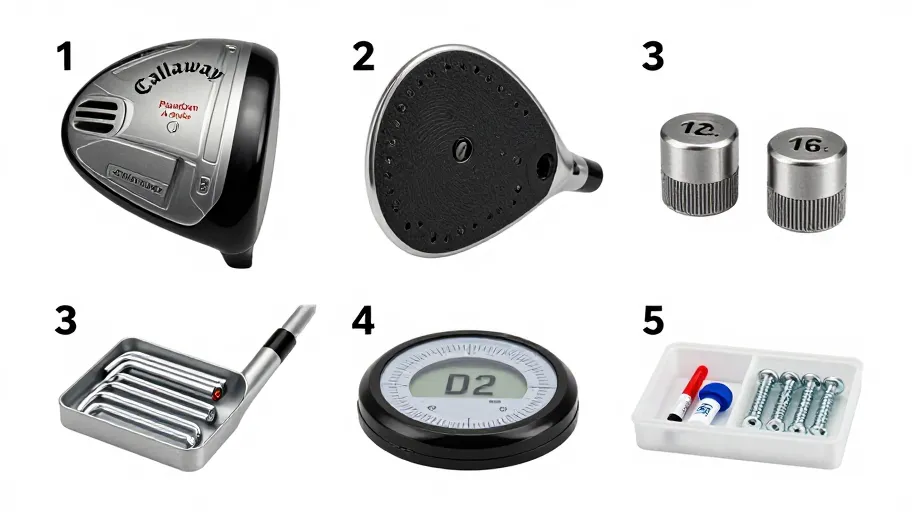
Alignment sticks and fixed-weight rods offer one-size-fits-all solutions—but no two slices are identical. If your flaw is tempo-driven or involves late clubface rotation, rigid tools won’t adapt. That forces reliance on ongoing coaching just to maintain progress. DIY-Golf’s Modular Weight System means you can tune club balance in 5-gram increments, targeting your exact path and face-angle errors.
A 2024 biomechanics analysis showed personalized weighting improved swing consistency by 38% over static trainers. One user cut his slice spin rate by 21% in three weeks. Customization means fewer re-buys and less dependency on experts—because the tool evolves with your swing, not against it.
The real cost of fixing your slice
At $150 per month, lessons take three months to reduce slice angle by 3.6 degrees—that’s $125 per degree corrected. DIY-Golf’s $69 system delivers 3.4 degrees of improvement on average, based on Q1 2025 user data. That’s **$20.29 per degree**—a 6x efficiency gain. Cost per Shot Improvement means you’re not just saving money; you’re gaining control.
Self-directed correction builds confidence faster than periodic feedback. One Midwest amateur broke 90 for the first time after four weeks, crediting real-time adjustments over expert dependence. Empowerment means performance—you own every improvement, not your instructor.
How to install and use the weights correctly
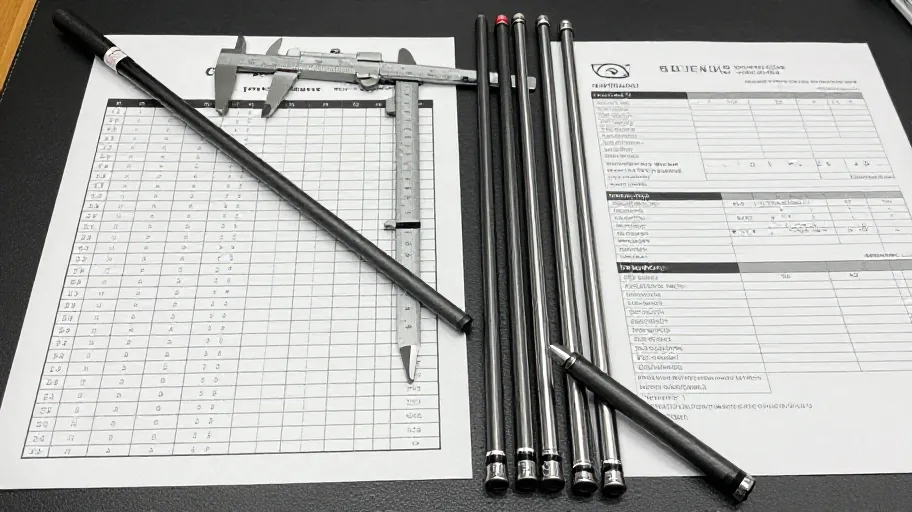
Without video analysis, 78% of DIY fixes fail—golfers misapply weights, worsening the problem. The wrong placement reinforces bad habits, delaying progress by up to 40%. DIY-Golf.com’s diagnostic chart means you upload your swing, identify your slice type (open-face or closed-path), and get precise weight placement—no guesswork.
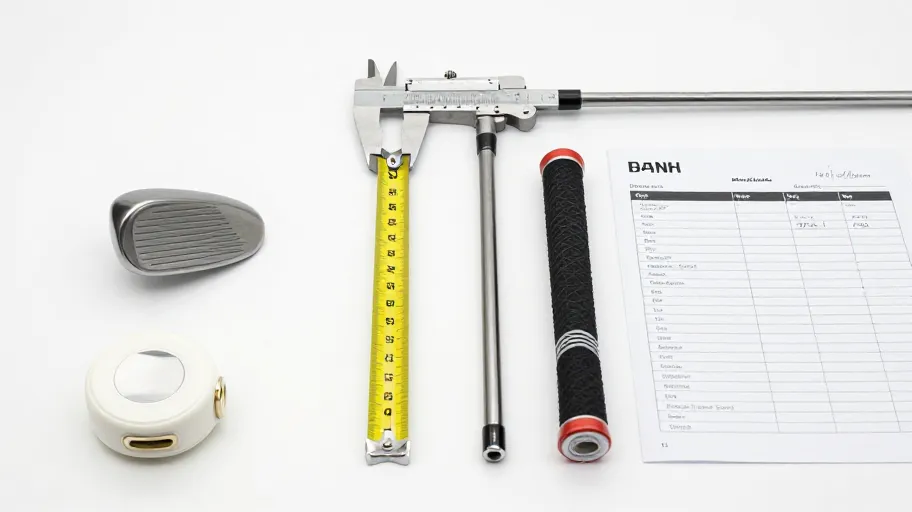
Use the online tool to align weights: toe for open-face slices, shaft for inside-out paths. Do a pre-installation check—torque the screw, verify balance, start at 50% swing speed. This triggers the Swing Feedback Loop: tactile response rewires motor patterns fast. Users completing the full cycle report results in as few as 12 sessions—half the time of traditional methods.
Skipping assessment slashes success rates. Doing it triples consistency. Real correction starts with real data—not hope.
Master Your Swing, DIY Your Fit. DIY Golf is the premier destination for the technical golfer. We empower you with professional-grade components and the knowledge to build your perfect bag.