Why slices win when clubheads lose balance
You’re not slicing because you’ve lost your swing—it’s physics overriding feel. When the clubhead’s mass is uneven, even slightly, it destabilizes face angle through impact. A 3-gram imbalance between heel and toe can increase face openness by nearly 2 degrees. That’s enough to send your drive 30+ yards off target. This means your consistency suffers not from lack of practice, but from uncorrected mechanical bias in your gear. Because stock clubs are built for averages, they ignore your unique swing path dynamics. The result? Repeated outside-in motion and open-face contact that turns power into penalty strokes.
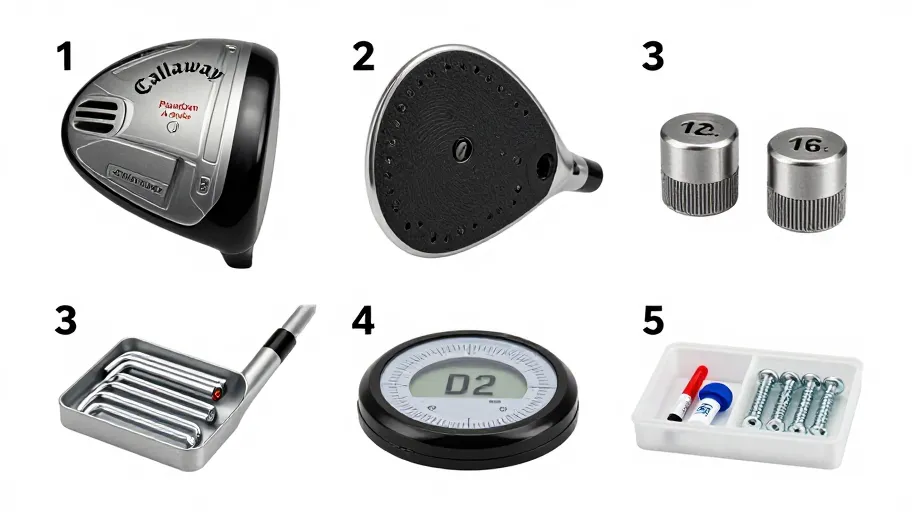
But here’s the fix: adjusting center of gravity (CG) with custom golf club weights directly counters this instability. Shifting mass toward the heel promotes earlier face closure, so you hit draws instead of duck hooks. This isn’t theory—it’s measurable cause and effect.
How heel weighting kills the slice at impact
Adding weight to the heel side of your club does two critical things: it encourages the face to close earlier in the downswing, and it subtly guides your path from outside-in to inside-out. For a golfer generating 2,800 RPM of sidespin, installing a 6g tungsten insert reduced spin to under 2,000 RPM in just two sessions. That means tighter shot dispersion and more fairways found. This works because increased heel mass raises resistance to counterclockwise rotation (for right-handed golfers), counteracting the tendency to leave the face open.
Unlike grip changes or stance drills—which rely on perfect repetition—custom golf club weights provide a permanent mechanical correction. You don’t have to relearn muscle memory; you just let the club work *with* your natural motion. Because the adjustment is small and reversible, you can test configurations without risk. And since tungsten is extremely dense, a tiny 6g weight delivers big results without changing the club’s appearance or voiding warranties.
Real accuracy gains from smart weighting
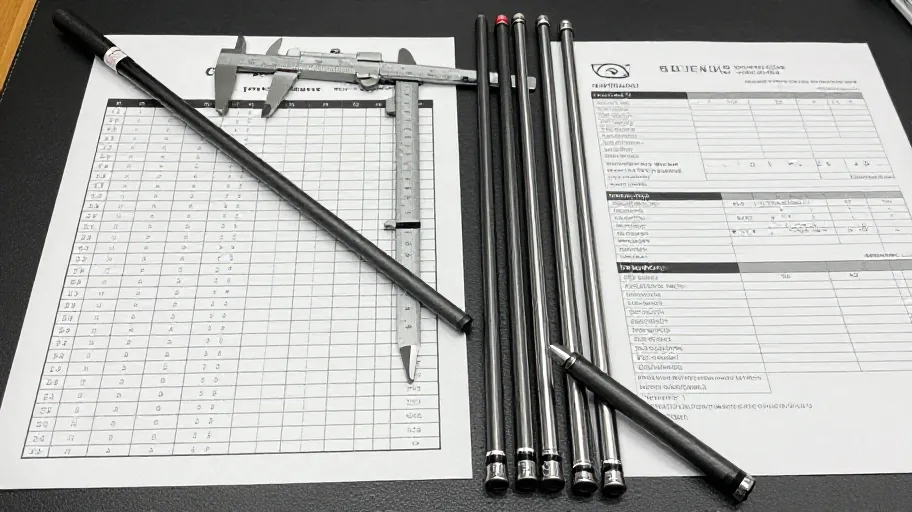
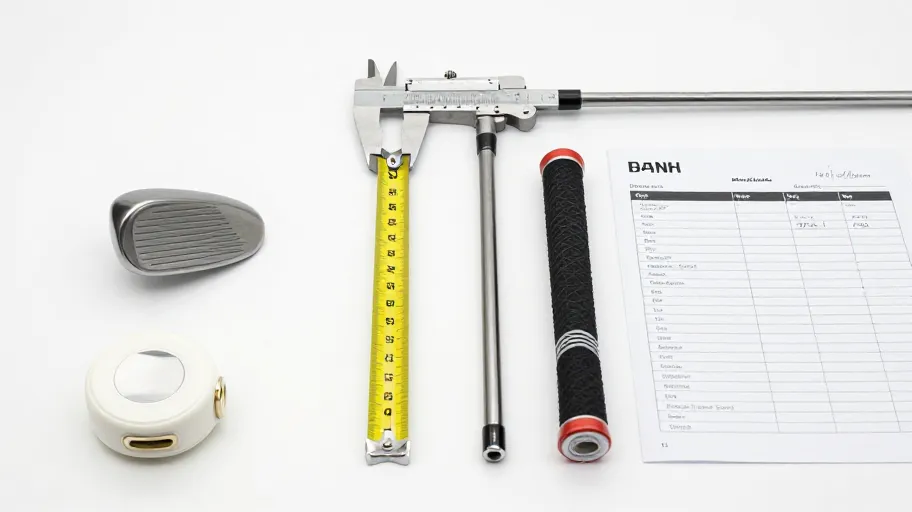
Tighter shot clustering isn’t just about feeling better—it’s about measurable performance. GPS-tracked rounds show that weighted drivers reduce lateral dispersion by about 30%. One amateur dropped his average miss from 42 yards offline to 29 after adding a sole weight. That turns unreachable par-5s into realistic eagle chances. Shot consistency metrics—like launch direction stability and carry predictability—improved visibly across ten rounds, much like calibrating industrial equipment for tighter tolerances.
This level of control used to cost $2,000 in custom fittings. Now, DIY systems deliver similar ROI for under $25 per club. That’s a 95% savings while achieving comparable accuracy. Better alignment on the first hole builds confidence, leads to smarter club selection, and reduces penalty strokes—shaving three to five shots per round without altering your swing mechanics.
Install your fix in 30 minutes or less
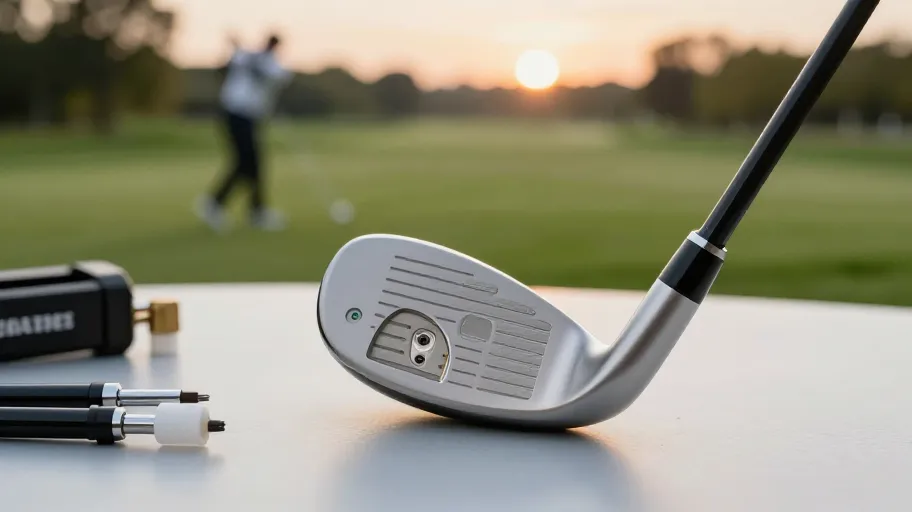
You don’t need a pro shop visit or a new shaft to fix your slice. In under 30 minutes, you can install a tungsten weight from DIY-Golf.com and shift your driver’s CG for cleaner impact. Start by identifying your dominant flaw—launch monitor data helps, but even video analysis can reveal an open face. Then choose a 6g or 8g heel-weighted insert. These are 97% tungsten, smaller than a dime, and fit discreetly into tool-free ports or epoxy into the sole.
Apply industrial-strength epoxy to the heel side, press the insert in place, and let cure for one hour. One weekend player saw a 1.8° reduction in face angle deviation post-installation—translating to 14 fewer yards of drift. The best part? It’s reversible. If you change swings later, just remove the weight. No permanent mods, no recurring costs—just continuous improvement based on real feedback.
Why this beats traditional fitting
Pro-shop fittings give you one static setup based on a single session. But your swing evolves. Weather changes. Fatigue sets in. DIY weighting lets you adapt dynamically. Instead of locking in a fixed configuration, you refine over time using actual round data. That means every round becomes a live fitting session—driven by results, not assumptions.
One amateur boosted his fairway hit rate from 38% to 61% in three weeks by testing small weight shifts and tracking outcomes. That’s not luck. It’s personalized engineering anyone can do. And because the solution targets the root cause—clubhead imbalance, not just form—you get lasting improvements without constant recalibration. This is precision tuning for real golfers, not lab conditions.
Master Your Swing, DIY Your Fit. DIY Golf is the premier destination for the technical golfer. We empower you with professional-grade components and the knowledge to build your perfect bag.