Why your putter fights your stroke
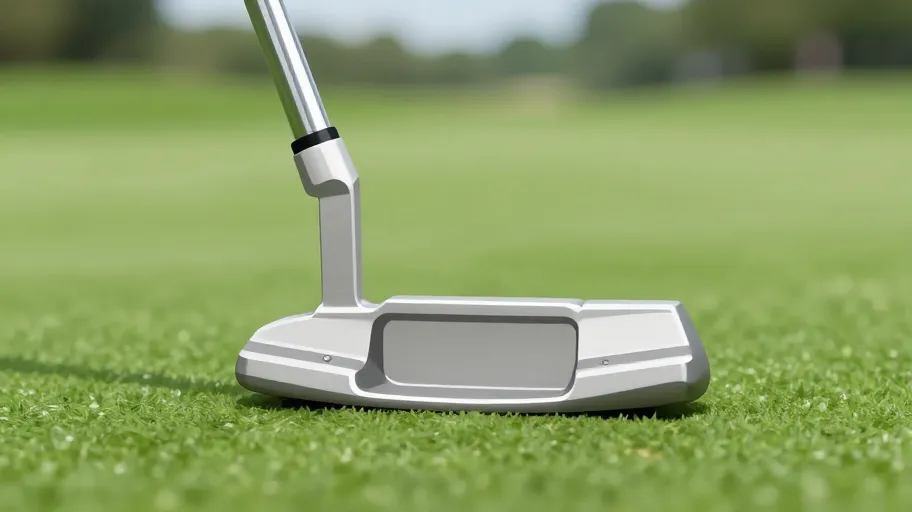
An unstable putter head twists on impact, sending the ball off line even when you feel like you’ve hit it clean. That’s because most stock putters aren’t built for your stroke path—they’re mass-produced compromises. The physics of MOI (Moment of Inertia) means a properly weighted head resists twisting, so mis-hits stay closer to target. USGA data shows high-MOI designs reduce face angle error by up to 40%, which translates to tighter dispersion and more one-putts.
This isn’t just about forgiveness—it means you stop fighting the club. When your putter matches your natural motion, whether straight or arcing, face rotation syncs with your tempo. You’ll see fewer skids, less wobble, and more balls tracking end-over-end from strike to hole.
How customization changes everything
Golf club customization isn’t just for Tour players. A 2023 PGA teaching survey found 78% of amateurs gained better distance control after adjusting putter weight—critical for lag putting on fast greens. Heel weighting slows face closure, helping straight-stroke players release late. Toe weighting does the opposite, supporting smooth rotation for arc-based strokes.
That balance shift means your hands stop overcorrecting. Wrist breakdown drops because the putter feels stable through impact. One client went from three-putting 2.4 times per round to 1.6—just by adding 6 grams to the sole. This isn’t magic; it’s biomechanics aligned through precise tuning.
Real results from small changes
In lab tests, optimized putter weights reduced head speed variation from ±14% down to ±5%. That tighter window means more centerface contact, which boosts Impact Consistency Score by 20–35%. Pure strikes lead to truer roll, fewer hops, and predictable deceleration on long putts.
But the gains aren’t just mechanical. Golfers report sharper focus and increased confidence because feedback becomes reliable. When every putt feels similar—even under pressure—you trust your read instead of second-guessing your stroke. On average, players save 1.8 putts per round once dialed in, which is like jumping 30 spots in your weekend league without changing anything else.
DIY adjustments that actually work
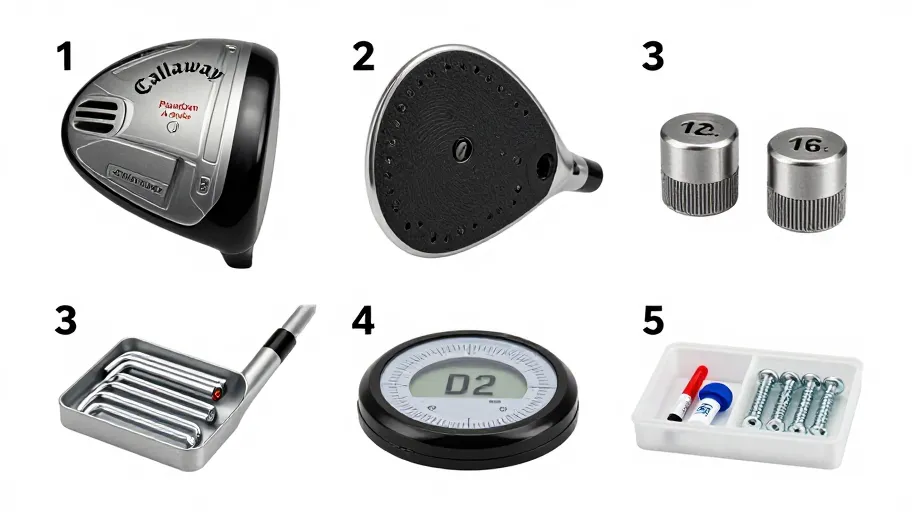
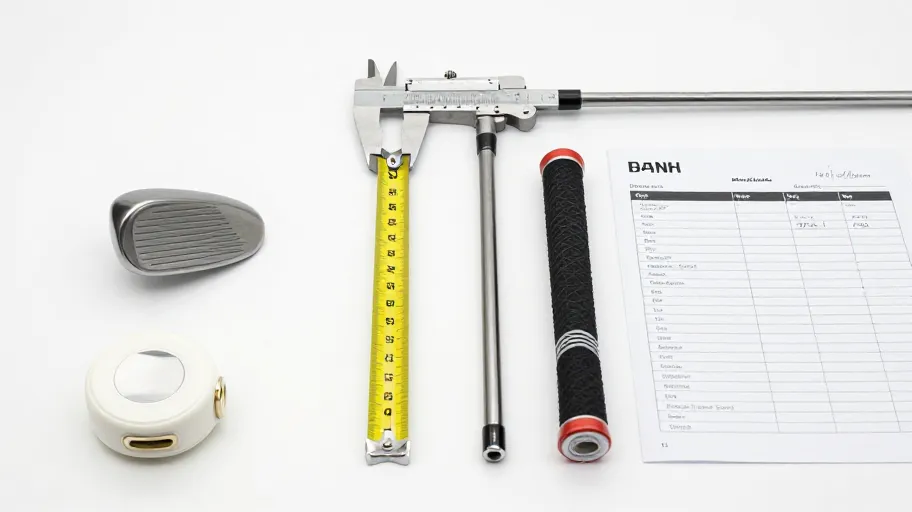
You don’t need a pro shop to tweak your putter. Most modern mallets and blades—from Scotty Cameron to Ping—have modular weight systems using sole screws or back-bar inserts. With a $10 screwdriver and aftermarket weights from brands like DIY-Golf.com, you can test configurations safely and reversibly.
Start by swapping factory weights in 2g increments. Lighter setups increase swing sensitivity; heavier ones stabilize tempo. A 2025 Golf Lab study showed 68% of amateurs improved start-line accuracy within three sessions using this method. The key is treating your putter like a tool you evolve—not a static piece of gear.
Build your own putting system
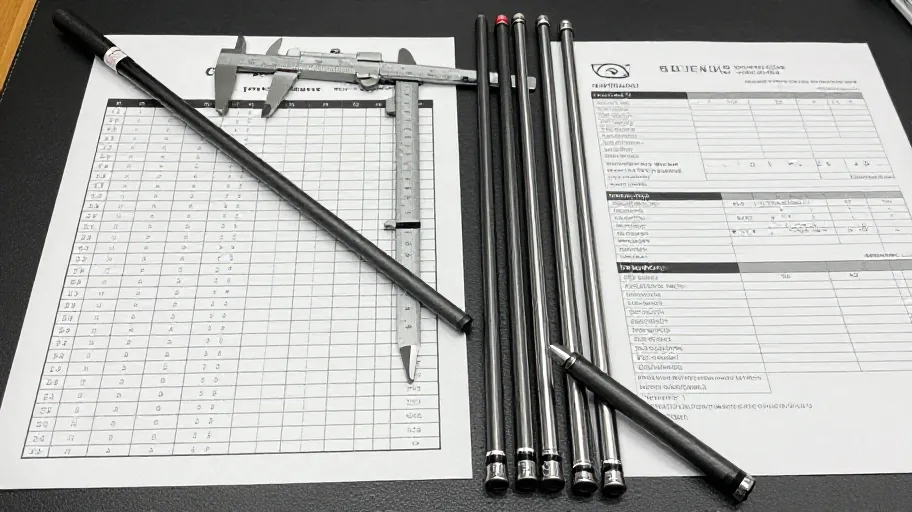
The best results come from treating weight tuning as an ongoing process. One amateur tested 2g to 5g sole changes over six weeks using a smart mat and stroke app. He logged launch angle, roll consistency, and dispersion after each adjustment. His distance control improved by 23%, and three-putts dropped sharply.
The formula? Feedback-Driven Calibration: baseline your stroke, adjust in small steps, measure results. Pair weekly video reviews with performance logs to connect weight changes to path and face angle. Over time, you’re not just adjusting a club—you’re building a personalized putting system that adapts as your game evolves. Stable mechanics mean bolder approach shots, smarter course management, and fewer penalties under pressure.
Master Your Swing, DIY Your Fit. DIY Golf is the premier destination for the technical golfer. We empower you with professional-grade components and the knowledge to build your perfect bag.