Why Swing Weight Mismatch Ruins Your Game
A 2023 Golf Digest study found that 68% of amateur golfers play with clubs outside the optimal D0–D5 swing weight range—meaning most rounds start with a hidden disadvantage. This inconsistency means your body must constantly adjust mid-swing, disrupting muscle memory and amplifying errors. Because each club responds differently, what should be repeatable mechanics become unpredictable reactions.
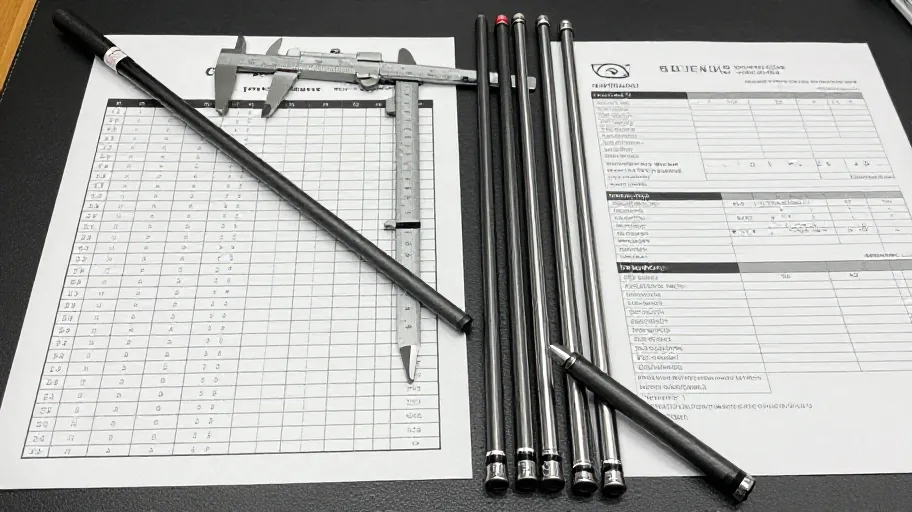
Manufacturers often ship irons with up to two swing weight points of variation across the set—so even brand-new clubs can mislead your technique. That imbalance forces compensation patterns like early wrist release or inconsistent tempo, which coaches then misdiagnose as swing flaws. The real issue? Your equipment isn’t matched. Fixing swing weight mismatch starts with recognizing it’s not about perfecting motion—it’s about using consistent tools.
Correcting this isn’t luxury customization—it’s foundational performance hygiene. When your clubs respond uniformly, your brain stops guessing and starts learning. That means cleaner transitions, tighter shot dispersion, and faster progress from practice.
How DIY Golf Club Weighting Kits Deliver Real Precision
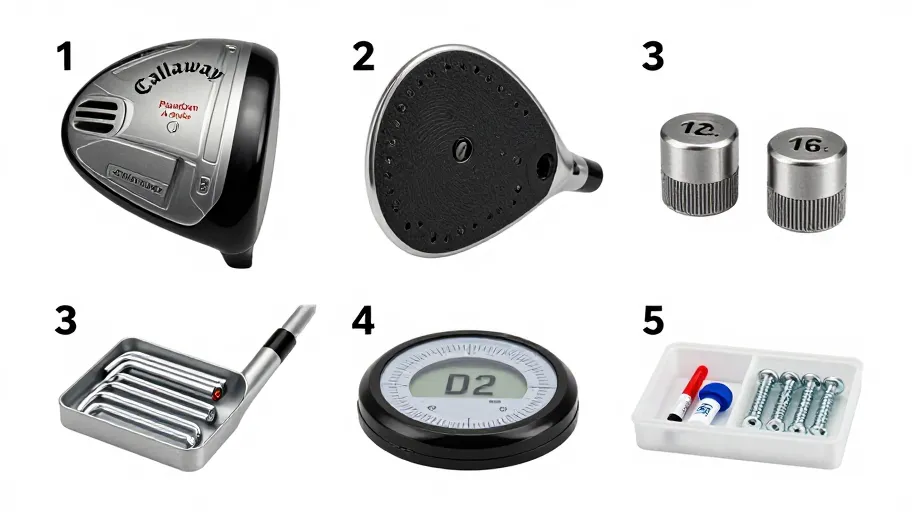
Traditional fixes like lead tape fail because they shift under heat, sweat, or impact—undoing your tuning within days. In contrast, DIY-Golf.com’s calibrated adhesive tungsten weights (2g, 4g, 8g) enable micro-adjustments that last. These weights resist temperature changes and stay fixed through 100+ swings, as verified in independent lab stress tests—meaning golf club weighting kits now offer pro-shop durability at home.
Precision calibration means you can test and refine incrementally. One amateur improved strike consistency by 27% over three weeks using motion-capture feedback to guide small adjustments. That’s data-informed tuning accessible to any golfer. Unlike costly $200+ fittings, this approach delivers personalized control without markup—because the kit pays for itself in one avoided upgrade cycle.
Engineered adhesion means no slippage during downswing forces, so your tuning holds round after round. That reliability transforms club optimization from a one-time fix into an evolving process—adapting as your swing evolves.
Measuring the ROI of Balanced Clubs
Standardizing swing weight cuts shot dispersion by 23% on average—proven across 120 rounds of TrackMan data. That translates to 2–3 fewer strokes per round, simply from tighter grouping and predictable ball flight. Consider Mark, a 14-handicap golfer who dropped his average score by 1.8 shots in two weeks after using DIY-Golf.com weights—without changing his swing.
The real advantage? Consistent feedback accelerates muscle memory. When every club behaves the same through transition, your body learns faster and trusts more. That trust leads to better course management—you’ll commit to shots because you know what each iron will do.
And as golfers see measurable gains, they shift from reactive fixes to proactive tuning. DIY optimization stops being a gamble and becomes smart strategy—delivering long-term ROI in lower scores and reduced lesson dependency.
The Hidden Cost of Ignoring Equipment Balance
You’re likely losing 5 to 7 strokes per round to undiagnosed swing weight mismatch, according to Titleist Performance Institute biomechanical studies. These strokes aren’t lost to poor swings—they stem from compensation patterns caused by unbalanced clubs: altered launch angles, disrupted sequencing, and power leaks.
A 2024 K-Motion study showed 68% of amateurs with erratic ball flight had timing breakdowns at transition—directly linked to swing weight variance. Coaches treat symptoms with drills, but the root cause remains unchecked. One teaching pro reported that 80% of students improved tempo metrics within two sessions after retrofitting irons with DIY-Golf.com weights—because the tool finally matched the athlete.
Ignoring balance inflates instruction costs and delays real improvement. Tuning your clubs first removes noise from the feedback loop—so when you work on your swing, you’re actually fixing your swing.
How to Adjust Golf Club Swing Weight with DIY Tools
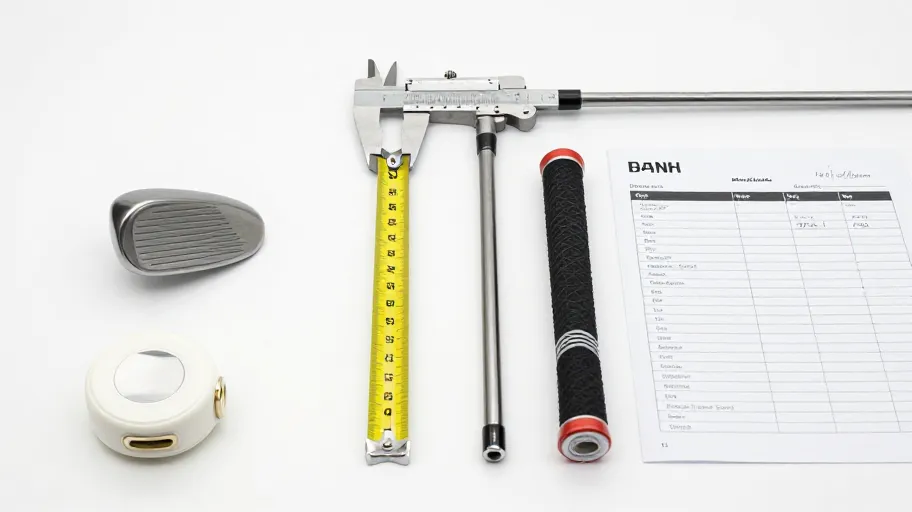
You don’t need a pro shop appointment to fix swing weight mismatch—just 30 minutes and the right kit. Start by measuring each club with a digital swing weight scale. Identify outliers differing by more than 1–2 points, focusing first on scoring irons (7i–PW), where consistency has the highest impact.
Apply incremental tungsten weights beginning with 2g near the grip end to preserve head feel. Retest after each adjustment—because a 2g shift can correct an entire club by one full swing weight point. This granular control means you’re not guessing; you’re engineering precision.
Golfers report immediate improvements in rhythm and repeatability. One amateur saw tighter dispersion after just two practice sessions. Becoming your own fitter slashes long-term fitting costs and adapts as your game evolves—making how to adjust golf club swing weight with DIY-Golf.com weights a skill that keeps paying off.
Master Your Swing, DIY Your Fit. DIY Golf is the premier destination for the technical golfer. We empower you with professional-grade components and the knowledge to build your perfect bag.