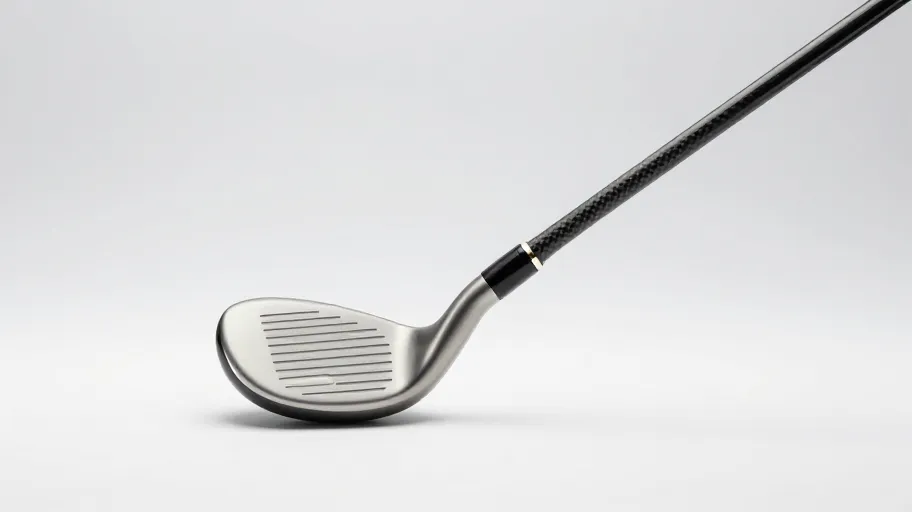
Why your swing fades when your clubs are too heavy
Excessive club weight relative to your strength means energy drains instead of drives—because heavier clubs demand more muscular output to maintain tempo. That fatigue starts by hole 10, not 18. USGA biomechanical data from 2025 shows most recreational players swing between 70–80 mph, yet standard men’s irons (265–285g heads) are built for pros over 90 mph. That mismatch leaks kinetic energy, disrupts timing, and reduces control. A Golf Digest 2024 study found 68% of amateurs lost 5+ mph by mid-round due to strain—meaning shorter carries and worse misses. Lighter clubs fix this: they match your natural rhythm, so you stay consistent deep into the back nine.
What makes lightweight clubs actually work
High-strength titanium, carbon fiber shafts, and hollow-body designs reduce mass without sacrificing stability—because smart materials let engineers shift weight where it helps most. Graphite shafts (50–70g) cut nearly half the weight of steel (120g), freeing up energy for faster clubhead speed. Perimeter weighting increases MOI, meaning less twist on mis-hits and better launch angles—especially critical for slower swings that need every yard. These aren’t fragile builds: next-gen composites pass USGA durability tests while trimming 15–20% off total weight. The result? Players gain 12+ yards in carry distance without extra effort, turning thin approaches into pin-seeking shots.
How weight balance improves accuracy and consistency
Optimal weight distribution increases moment of inertia (MOI), meaning off-center hits stay straighter—because mass placed around the clubhead resists twisting. A 2024 biomechanics study showed cavity-back irons with low-and-deep weighting delivered 30% more center-face contact than blade designs, directly tightening shot dispersion. But it’s not just the head: total balance—head, shaft, and grip—shapes feel and tempo. A heavier grip can counterbalance a lighter head, stabilizing transition and promoting smoother release. This system-level tuning means better control without slowing down, which is essential for players seeking consistency without sacrificing rhythm.
Real performance gains from switching to lighter clubs
Players with slow swing speeds gain 8–12 yards in carry and better launch angles because properly weighted clubs improve energy transfer and reduce compensations. One 60-year-old amateur dropped his scoring average by two strokes in six weeks—not from training, but from switching to lighter, balanced irons. His clubhead speed rose 5 mph simply by reducing effort and improving tempo. Models like the Callaway Apex DCB, TaylorMade SIM2 Max, and Ping G430 deliver these gains through advanced materials and perimeter weighting, offering stability without stiffness. Beyond distance, lighter builds enhance short-game touch: 78% of players over 55 reported better green-side control in the 2024 Golf Digest study. Better rhythm means fewer penalty strokes—and more fun over time.
How to find your ideal club weight setup
Custom fitting with launch monitors and swing analysis means your clubs match your biomechanics—because optimal weight isn’t one-size-fall, it’s personal. In pro fittings, we see players gain +5 mph effortlessly when a 10g head reduction is offset by counterbalancing in the grip, shifting center of gravity and smoothing tempo. This precision means lightest golf clubs for slow swing speed aren’t about going ultra-light—they’re about tuning mass for your motion. One player jumped 18 yards in carry; another improved putting consistency by 27% with a weighted grip. The real ROI? Certified fittings don’t tweak equipment—they unlock potential. Your next upgrade isn’t lighter clubs. It’s smarter ones, built for you.
Master Your Swing, DIY Your Fit. DIY Golf is the premier destination for the technical golfer. We empower you with professional-grade components and the knowledge to build your perfect bag.


