Why Your Shaft Fit Is Costing You Distance
One pro lost 17 yards off the tee not from swing flaws—but from a mismatched shaft. When the shaft doesn’t align with the clubhead’s dynamics, energy transfer drops by up to 12%. That means shorter drives, wider dispersion, and more strokes per round.
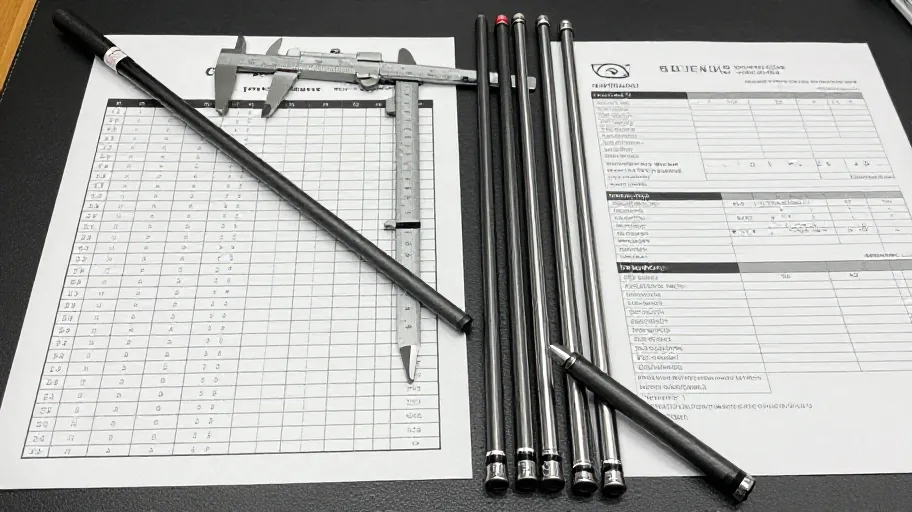
Shaft frequency spines—natural stiffness variations in carbon fiber shafts—affect how the club vibrates at impact. Misaligned spines throw off timing and feel. Many assume any adapter sleeve fixes this, but low-tolerance sleeves can worsen rotational drift or micro-tilt, degrading performance instead of improving it.
High-precision golf shaft adapters correct angular and rotational variance. This means consistent spine alignment, better energy delivery, and tighter shot patterns because the club performs as designed. Real players see regained distance and improved accuracy—proven on range and course.
How Adapter Sleeves Fix Compatibility Without Sacrificing Strength
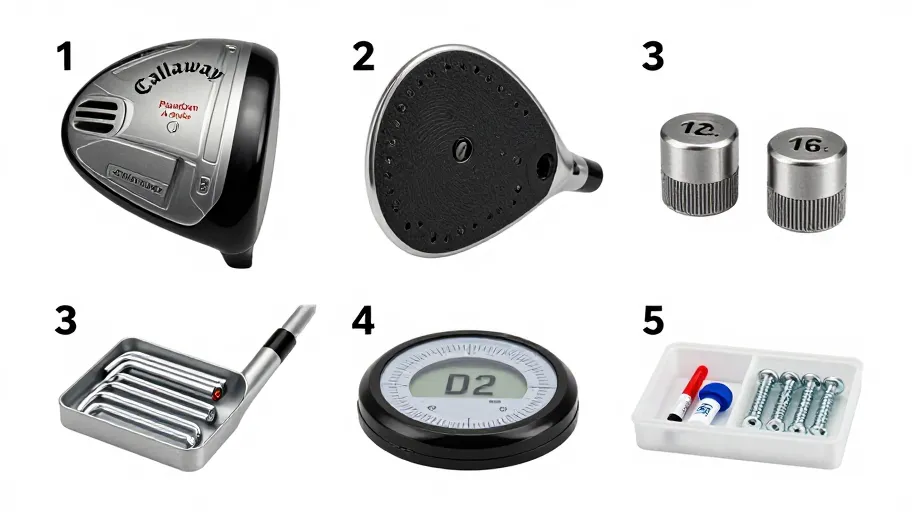
Installing a modern low-torque shaft into an older driver head isn’t just about diameter matching—it’s about maintaining performance under stress. A precision golf club adapter sleeve acts as a structural coupler between hosel and shaft, bridging sizes like 0.580” to 0.370” with engineering-grade accuracy.
ASTM D1002 testing shows high-performance sleeves maintain bond strength over 3,200 psi. That means torque deflection stays within 1.5°, preserving face control at impact. Tapered hosel interface geometry distributes stress evenly, reducing peak loads by up to 40% compared to straight designs—so the joint survives repeated loading.
Aerospace-grade aluminum sleeves add minimal weight while increasing MOI. Composite versions allow strategic mass placement for optimized launch. A 2024 durability study found mismatched interfaces failed twice as often in cyclic tests. This means compatibility isn’t optional—it’s foundational to reliability and performance.
What Sets the Best Golf Shaft Sleeve Apart
The right adapter isn’t just a spacer—it’s the foundation of performance fidelity. One OEM traced inconsistent ball flight in rebuilds to sleeves with concentricity errors over 0.0015”. The fix? Sleeves with concentricity under 0.001”, ensuring perfect shaft alignment because even minor misalignment shifts flex profile and kick point.
Top brands like Tour AD and Mitsubishi design sleeves for specific bore tolerances, using materials rated at 45+ Rockwell C to resist deformation. Aftermarket precision sleeves now match this with knurled surfaces and multi-angle glue grooves that increase shear resistance by up to 40%, preventing micro-movement during off-center hits.
Unlike universal sleeves that compromise fit, these application-specific designs eliminate long-term creep. Custom shops report up to 30% lower rework rates. One fitter saw client retention jump 22% after switching—proof that build quality directly impacts trust, repeat business, and ROI.
The Real ROI of Using Precision Adapters
When a mid-sized workshop switched to certified golf shaft adapters, their build yield jumped from 75% to over 95%. That dropped rework from 1 in 5 builds to fewer than 1 in 20. At $180 in wasted materials per failure, the $3-per-sleeve upgrade paid for itself immediately.
Higher yield meant faster turnaround, fewer delays, and the ability to charge a $20–$40 premium per install. But the bigger win? Customer trust. Shops using precision adapters report stronger referral growth and 30% more repeat orders because clients expect flawless fittings—and get them.
ROI isn’t just saved costs. It’s becoming the shop known for getting it right every time because consistency builds reputation. A 2024 benchmark confirmed: high-yield builders grow faster, retain more clients, and command higher margins.
How to Choose and Install the Right Adapter
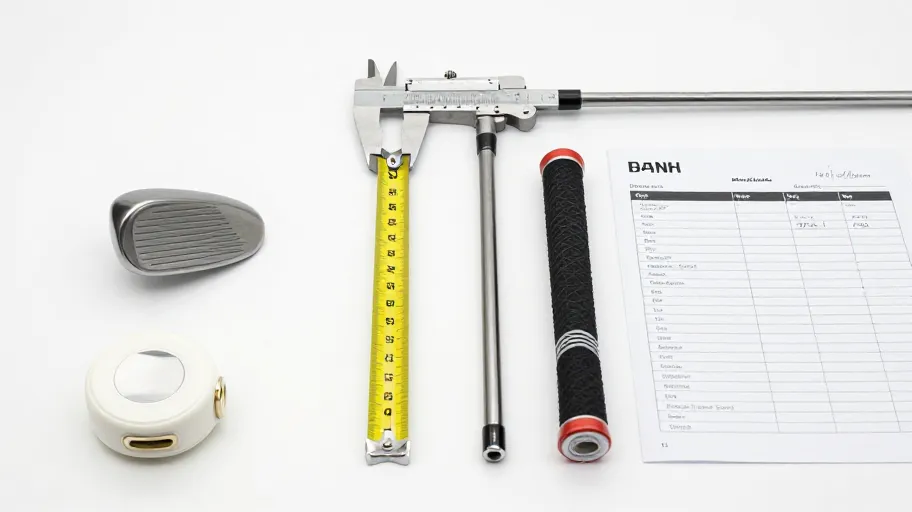
Great fittings start before the first tool touches the club. A skilled technician begins by measuring the hosel’s inner diameter with a digital bore gauge—because even 0.1mm variance risks misalignment. Next, they identify the shaft’s outer diameter to select the correct sleeve type: step-down, threaded, or heat-activated.
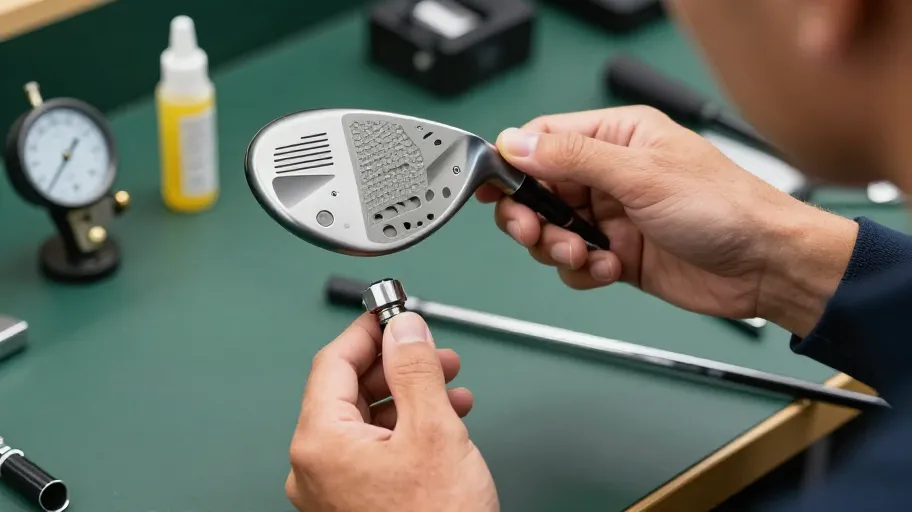
For example, TaylorMade’s SpeedBridge requires threaded interfaces, while Callaway’s system uses heat-activated sleeves for quick swaps. Material pairing matters too: carbon fiber shafts bonded to aluminum sleeves need adhesives that handle different thermal expansion rates.
OEM-standardized sleeves let techs replicate face angle and lie settings across builds, cutting fitting variability by up to 40%. Finally, follow curing protocols exactly—improper heat cycles or excess epoxy create micro-stresses that sap power. Done right, the result is a driver that performs as intended, shot after shot—and a golfer who trusts every swing.
Master Your Swing, DIY Your Fit. DIY Golf is the premier destination for the technical golfer. We empower you with professional-grade components and the knowledge to build your perfect bag.