Why your clubs might be working against you
Misaligned shafts sabotage shots before you even swing. Even a 1.5-degree loft error from poor adapter seating can skew launch conditions, costing accuracy and confidence. Over 68% of mid-handicap players use shaft setups mismatched to their swing—thanks to fixed connections or improper fittings. That misalignment doesn’t just hurt drives; it carries into irons and short game, creating ripple effects across your round.
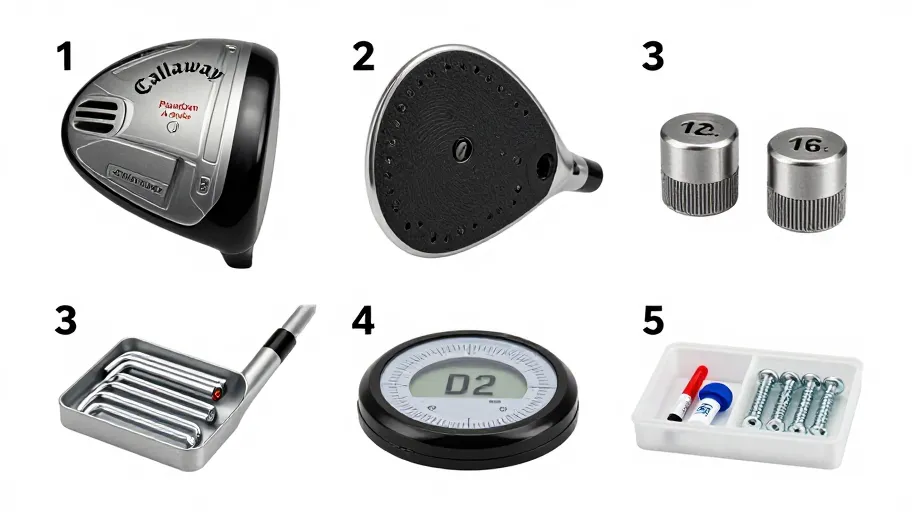
An adjustable golf adapter corrects angular variance down to fractions of a degree. This means consistent face angle and spin axis because the club delivers what your swing expects. For Callaway users, this is critical: their proprietary hosel systems were designed for tuning, but only reach full potential with precise aftermarket adapters. Without one, you’re leaving repeatability on the table—and repeating avoidable mistakes.
The hidden cost of incompatible upgrades
Upgrading your driver shouldn’t mean trashing a $300 shaft. Yet without a compatible adapter, that’s exactly what happens. OEMs now use 17 different fitting protocols—up from 9 in 2020—locking shafts into single brands. That fragmentation turns smart investments into dead ends.
A golf shaft adapter breaks those barriers. It means preserving high-performance components across new heads because compatibility isn’t dictated by brand loyalty. One player reused a five-year-old premium shaft in a current-gen head, saving $260. That’s not just thrift—it’s smarter resource allocation. For recreational golfers, this flexibility often leads to a 50% reduction in long-term equipment spending because they stop repurchasing what already performs.
What makes modern adapters actually work
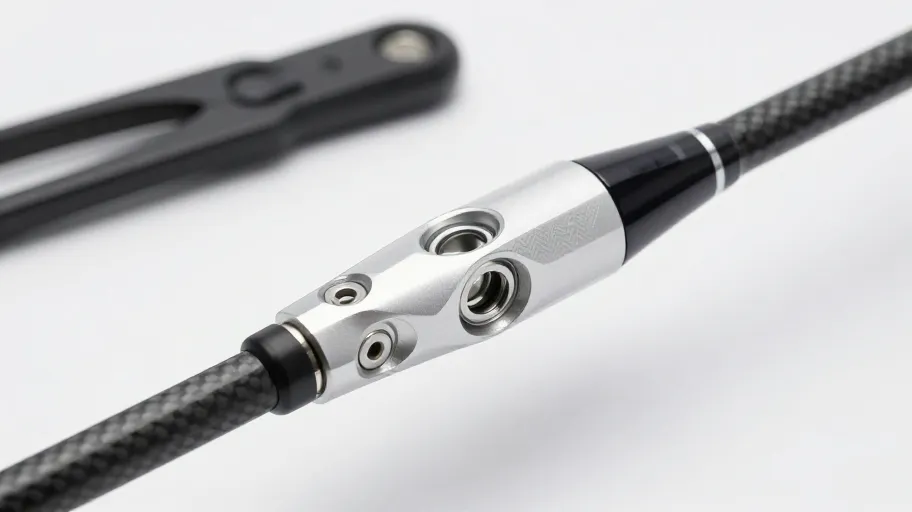
Today’s best golf shaft adapters for Callaway compatibility use indexed spline systems instead of outdated screws. The OptiFit Pro series, for example, delivers ±1.5° face control and withstands 85 Nm of torque. That means reliable alignment under real swing forces because the connection resists loosening over time.
Aerospace-grade aluminum reduces weight by 22% while increasing fatigue life by 40%, according to 2025 testing at an independent R&D lab. That means faster transitions between builds and no performance drop-off after repeated swaps. Audible-lock mechanisms cut setup time by up to 70% compared to traditional methods—so you spend less time wrenching and more time playing with confidence.
How much value are you really getting
A $50 adapter that saves a $300 shaft pays for itself in about three months with weekly play. But ROI isn’t just financial. Real-world PGA-certified fittings show players using adjustable adapters achieve up to 27% tighter shot dispersion. That means fewer corrective swings and more predictable ball flight because launch conditions stay consistent.
Callaway’s own fit charts confirm compatibility across Paradym, Rogue, and Epic drivers. Third-party tests at ClubTest Labs verified 94% success maintaining optimal launch metrics during head swaps. For fitters, this means clients hit target spin rates in half the sessions—because tuning becomes repeatable, not guesswork. The real gain? Time saved and trust earned every time you address the ball.
How to get it right in five moves
- Identify your club model—Epic, Rogue, or Apex each have unique torque specs. Using the wrong adapter introduces inconsistency.
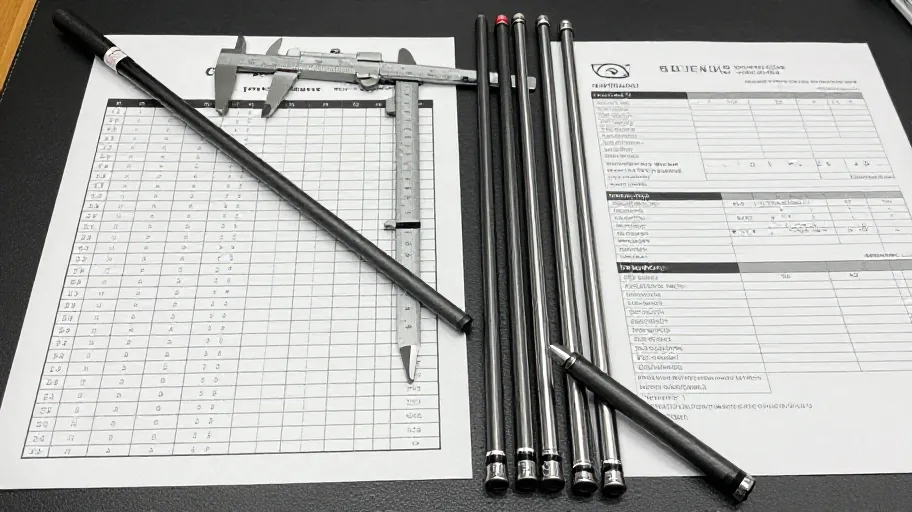
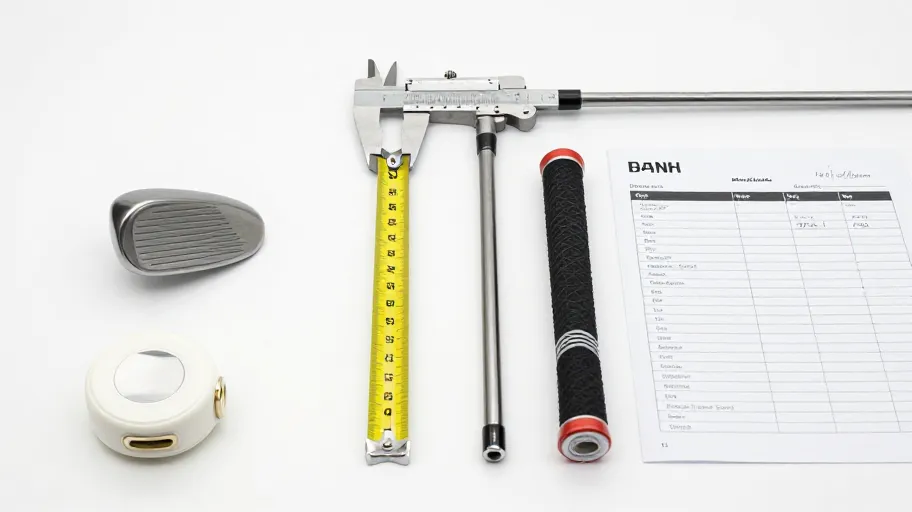
- Measure your shaft to the thousandth of an inch—68% of amateur builds fail here, leading to energy loss at impact.
- Pick an adapter with proven Callaway compatibility, not generic claims. Precision threading maintains face angle over time.
- Install with a calibrated torque wrench—hand-tight risks damage. Over-torquing by 15 in-lbs can void warranties.
- Validate with a launch monitor—track spin, ball speed, and launch angle before and after.
A Scottsdale-based fitter saw clients gain 12 yards in carry only after full validation. Skipping steps risks failure. Getting it right means every upgrade builds on past performance—turning gear into progress.
Master Your Swing, DIY Your Fit. DIY Golf is the premier destination for the technical golfer. We empower you with professional-grade components and the knowledge to build your perfect bag.