Why most golfers are stuck with bad shafts
Most off-the-rack golf clubs come with generic shafts that don’t match your swing—costing you control, distance, and accuracy. Over 70% of amateurs use mismatched shaft flex, according to PGA equipment studies. That means energy leaks at impact and unpredictable ball flight.
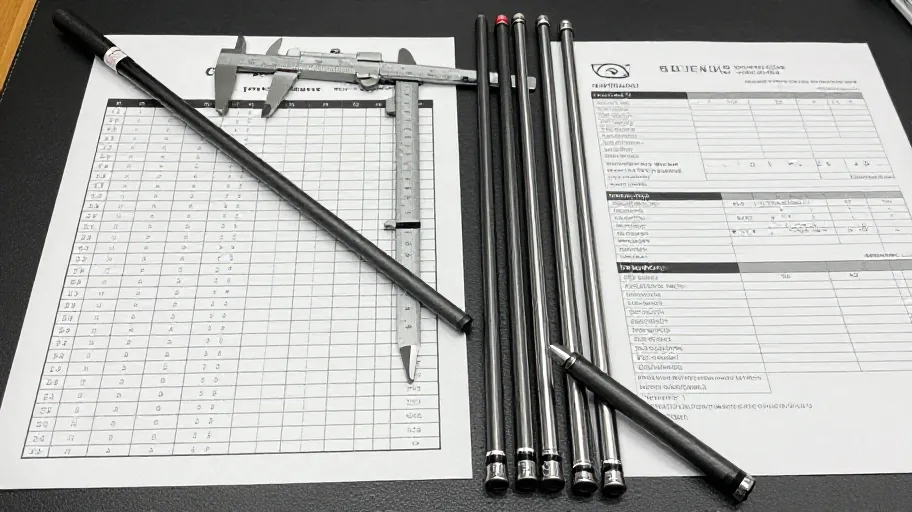
Shaft frequency matching fixes this. It measures how stiff a shaft really is under motion, not just on paper. When the shaft loads and releases in sync with your swing, you get cleaner strikes and tighter shot patterns. One golfer gained 10 yards of carry just by switching to a frequency-matched build he assembled himself.
But none of that matters if the shaft isn’t installed right. Misalignment or weak bonding kills performance before you even hit the range.
How shaft flex shapes your ball flight
Wrong flex isn’t a small issue—it can cost you 20+ yards and turn draws into hooks. If you swing under 80 mph and use an X-stiff shaft, you’ll struggle to launch the ball. Over 100 mph with a regular flex? Expect wild dispersion and left misses.
The problem: retail fittings miss the sweet spot for over 60% of players, per 2024 club fitter benchmarks. But you don’t need a pro shop to fix it. Selecting the right kick point gives you control over trajectory. A low kick boosts launch for slower swings; high kick reduces spin for aggressive players.
One amateur with a 92 mph swing cut his miss-lefts by 31% after installing a mid-kick shaft. That level of precision used to cost $400. Now you can do it yourself for under $100.
Tools that make or break your build
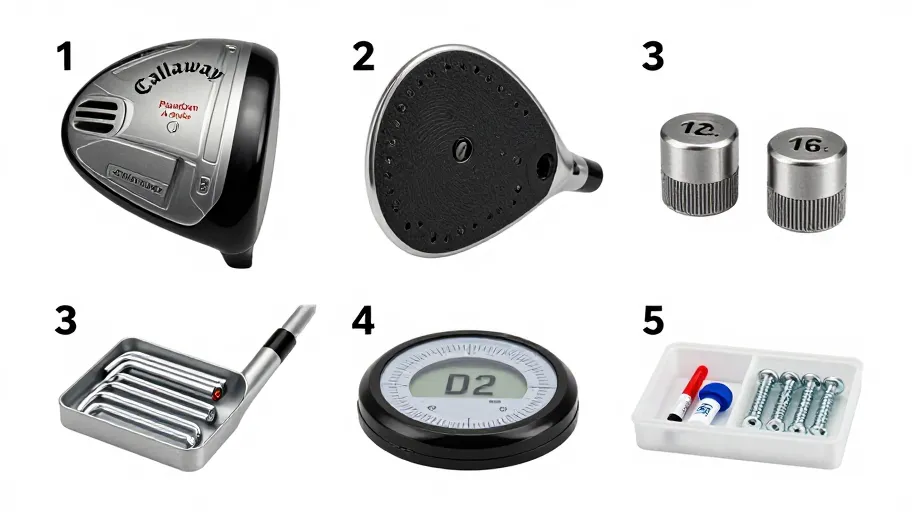
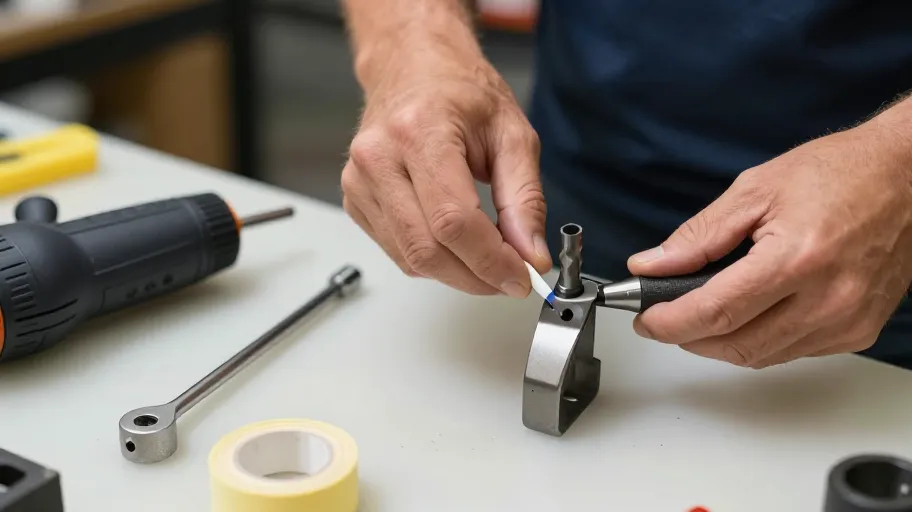
You’re engineering performance, not just swapping parts. The core tools—heat gun, shaft clamp, torque wrench, epoxy, grip tape—cost under $150. But tool choice isn’t enough. A 2024 assembly study found improper curing cuts bond strength by up to 40%, risking delamination and lost power.
Two-part epoxy with thermal cure changes the game. It bonds at a specific temperature, ensuring molecular stability. One custom builder saw a 60% drop in rework after switching—zero failures in 18 months, and tighter shot groups.
Precise heat, correct torque, and reliable chemistry mean your shaft transfers energy cleanly, round after round.
Match shafts to your swing without a fitter
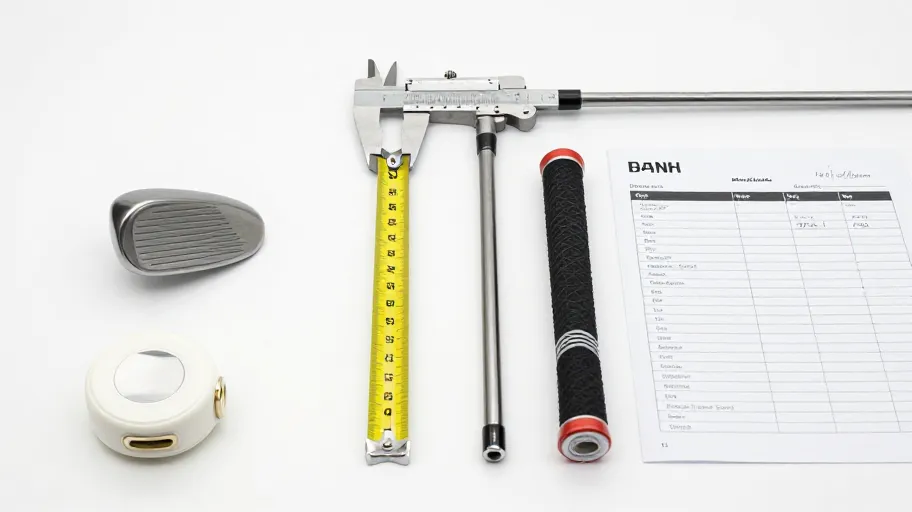
You don’t need a $200 fitting session. Consumer swing sensors and launch monitors now deliver pro-level data for under $200. Track tempo, downswing force, and release point to find the right flex, weight, and bend profile—no guesswork.
Fast tempo and early release? You need a stiffer tip to delay unloading. Smooth swinger? A progressive taper stores energy longer. Once built, use a swing weight scale to confirm balance. Avoid heavy-headed clubs that throw off timing.
One DIYer reduced dispersion by 18% over nine rounds using this method. Custom specs aren’t just for tour pros—they’re within reach of any serious player.
The real ROI of building your own clubs
Professional builds cost $300+ per iron set. DIY installation with the same components? Under $120. That’s a 60% saving—not just cash back in your pocket, but capital you can reinvest in better testing or more practice.
Beyond upfront savings, you gain full control over specs. No more relying on inconsistent shop work. And when wear happens, you don’t replace the whole club—just the shaft. A 2024 lifecycle analysis found players who reused heads saved $850 over five years.
Better-fitted clubs also lower scores. Studies show proper shaft alignment reduces averages by 1.5 strokes per round. That’s two shots regained annually without changing your swing. This isn’t just cost cutting—it’s building a personalized system that grows with your game.
Master Your Swing, DIY Your Fit. DIY Golf is the premier destination for the technical golfer. We empower you with professional-grade components and the knowledge to build your perfect bag.