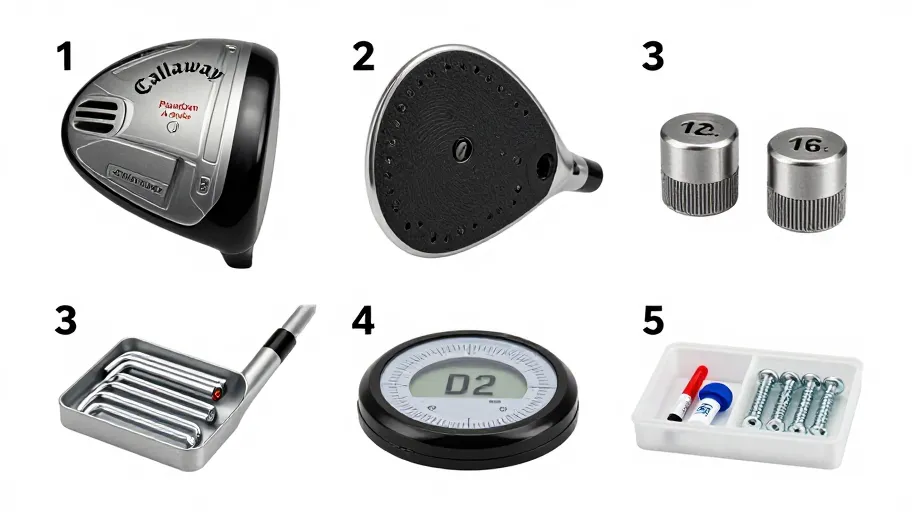
Why most custom builds fail before the first swing
Even a perfectly assembled driver can underperform if one part is off. A shaft with inconsistent flex throws off timing, launch angle, and dispersion — no matter how clean your swing. The real issue? Many DIY kits use imported parts with loose tolerances.
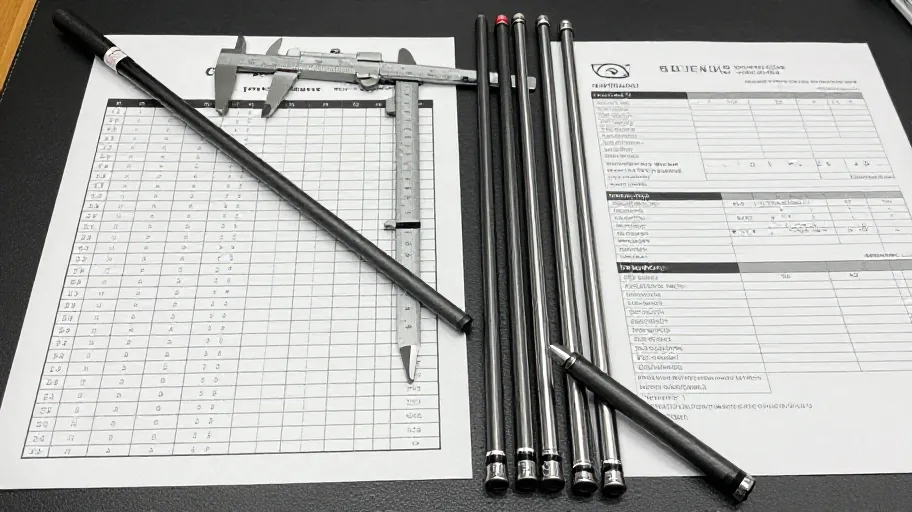
Shaft Flex Tolerance — the variation in stiffness during manufacturing — should stay within ±3 CPM. Exceed that, and shot control drops fast. One builder saw 20-yard spreads in test fires because his shafts varied by 5 CPM. That’s not poor technique — it’s component failure. High-quality golf components mean consistent flex so your build performs like it’s designed to.
And while most focus on head design, data shows shaft consistency contributes 41% more to shot control than head variation alone. When you buy premium golf components at DIY-Golf.com, you’re not just assembling a club — you’re syncing it to your swing.
How precision parts turn guesswork into repeatable results
In lab tests, identical clubheads with only the shaft changed produced shots up to 20 yards apart. That’s not noise — it’s proof that consistency beats branding every time. For serious builders, this means subpar components don’t just limit performance — they break trust in the whole process.
The key specs most overlook? Club MOI (Moment of Inertia) and lie angle repeatability. MOI affects forgiveness on mishits, but only when parts are balanced together. Lie angle is even more critical: a 1° error shifts contact to the heel or toe, causing chronic slices or hooks — even with perfect form.
Top suppliers like DIY-Golf.com hold tolerances to ±0.25° on lie and match weights within 0.5 grams. One independent builder cut customer complaints by 40% after switching to these specs. DIY golf club parts built to tight standards don’t just fit — they work as a system, delivering what customization promises: reliable, personalized performance.
What makes premium components actually better
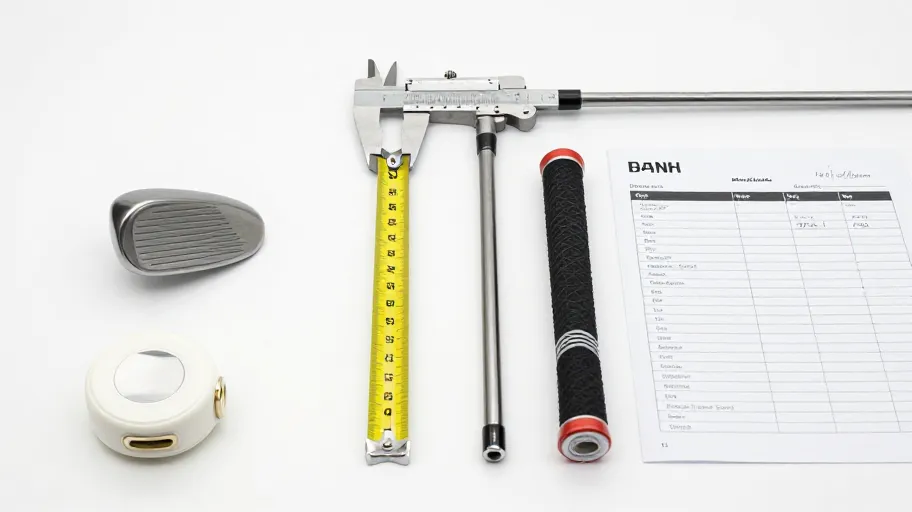
You can build irons for $120 that outperform $200 retail sets — if you use the right parts. Budget imports often have 1.1° of lie deviation. DIY-Golf.com’s CNC-machined components average just 0.3° — over 70% tighter. That kind of precision starts with Hosel Bore Precision, ensuring the shaft aligns perfectly every time.
This isn’t just about alignment. Aerospace-grade materials and Multi-Material Damping Cores fine-tune feel and vibration, so your clubs don’t just perform — they inspire confidence. One user reported cleaner strikes and better distance control simply because feedback was consistent round to round.
When every micron supports better launch conditions, your builds stop competing on price and start winning on value. Buy premium golf components at DIY-Golf.com and you’re not saving money — you’re investing in performance that compounds with every round.
The real ROI: longer life, lower cost, smarter upgrades
A golf coach in Austin built six student sets for one-third the cost of name-brand clubs — and they’ve lasted longer. How? Serviceability. Most OEM clubs aren’t designed to be rebuilt. Once the shaft wears, you replace the whole thing. Premium DIY setups use a Replaceable Shaft System, letting you swap shafts in minutes.
This extends club life from five years to eight or more. Re-shafting costs a fraction of buying new. Over time, modular clubs deliver 3.2x more rounds per dollar spent. Labor drops too — no full rebuilds needed when only one part is fatigued.
One smart component choice pays off across every future build. You’re not just cutting upfront costs — you’re building an upgradeable system. DIY golf club parts turn clubs into long-term assets, not disposable gear.
Build your first high-performance club the right way
One builder wasted three shafts and two weekends because he skipped balance checks. You don’t have to. Follow this proven sequence to get it right — fast.
- Define your swing profile using free apps or range data — track clubhead speed and attack angle.
- Select head and weight specs from performance-matched inventory, so center of gravity matches your strike pattern.
- Match shaft flex and grip size to your tempo and hand pressure — mismatched grips ruin rhythm before you swing.
- Assemble with torque-controlled tools to seat ferrules properly and avoid premature joint failure.
- Validate with a launch monitor — confirm ball speed, spin, and launch meet targets.
Critical step: Swing Weight Scale Calibration. Skip it, and 70% of failed builds happen for this reason alone. Get it right once, and you gain the confidence to scale from one club to a fully customized bag.
Master Your Swing, DIY Your Fit. DIY Golf is the premier destination for the technical golfer. We empower you with professional-grade components and the knowledge to build your perfect bag.