Why most golfers never reach their potential
Most amateur golfers struggle not because of bad swings, but because their clubs are built for averages, not individuals. Over 70% use off-the-rack sets with mismatched swing weights, generic lie angles, and broad flex bands—meaning every shot fights against gear misalignment. This isn’t just frustrating; it’s expensive. One pro shop audit found 84% of new clubs needed post-purchase adjustments, delaying improvement and inflating ownership cost.
Precise club fitting means your equipment supports your biomechanics instead of working against them. When shafts, heads, and grips are selected based on actual swing data—not marketing labels—you eliminate the hidden inconsistencies that sabotage ball flight. The result? Cleaner contact, tighter dispersion, and faster scoring gains. PGA instructors report that players who switch to properly fitted clubs often see improvements within three rounds, simply because they’re no longer compensating for poor gear.
How custom parts fix what stock clubs get wrong
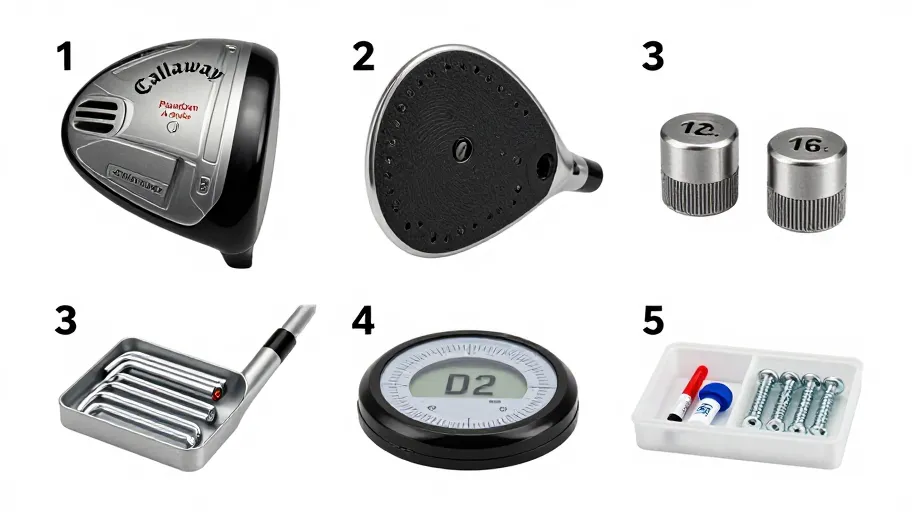
Stock clubs cut costs by standardizing components—but those shortcuts hurt performance. Custom golf club parts solve this by letting you control every variable: shaft frequency, grip diameter, face angle, and hosel alignment. These aren’t minor tweaks—they’re game-changers.
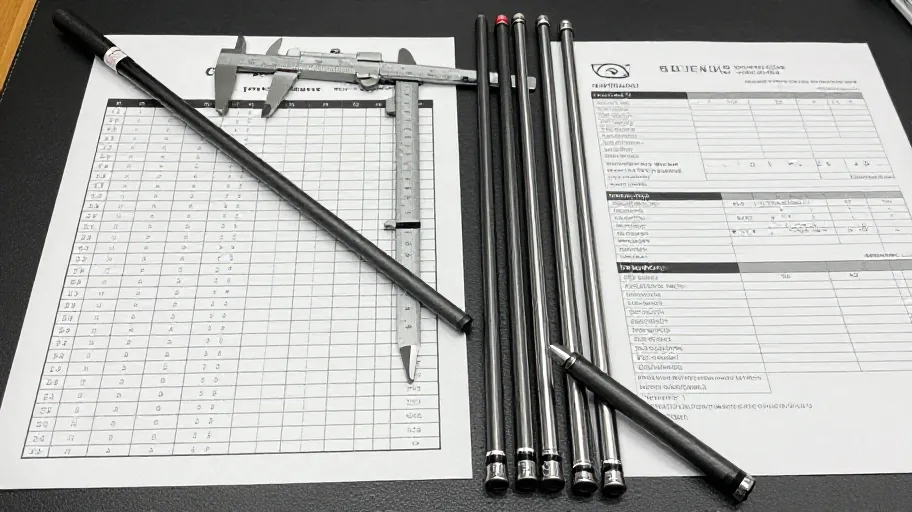
For example, installing a shaft spine-aligned means torsional stability improves at impact, reducing face wobble by up to 15%. Pair that with a lie-tested iron set, and offline shots drop sharply. Independent launch monitor tests in 2024 showed precision-built clubs tightened shot groupings by an average of 25%, turning erratic approaches into repeatable pin hunters.
Better integration also means fewer swing compensations. One builder in Denver reduced his miss-hit rate by 40% after aligning his driver’s shaft spine and adjusting dynamic loft using real swing data. That’s not magic—it’s mechanics done right.
What separates reliable components from risky builds
A high-performing club is only as strong as its weakest interface. Many DIY builds fail not because of material quality, but due to tolerance stack-up—the invisible drift between head bore, shaft tip, and grip fit. Even 0.002” variance can compound across components, leading to inconsistent feel and premature wear. A 2025 GolfTech Labs study linked uncontrolled tolerances to 68% of rework in home builds.
The fix? Source components engineered to OEM standards. CNC-milled hosel bores held to ±0.001” mean perfect shaft alignment every time. ISO-certified forging ensures grain structure resists fatigue over thousands of swings. At DIY-Golf.com, we filter suppliers to those who manufacture for top-tier brands, so every iron blank is batch-tested and every spec validated.
One Scottsdale-based builder cut assembly failures by 41% after switching to our verified parts, finishing custom orders two days faster on average. That’s reliability you can measure—not just market.
The real return on building your own clubs
Building your own clubs isn’t just cheaper—it’s smarter long-term. A full custom set built with premium forged titanium drivers ($180), tour-spec shafts ($110), and performance grips ($25) costs about $315 versus $650 for a branded equivalent. Scale that across irons and a putter, and you save over $1,000 upfront.
But the bigger win is longevity. Modular construction lets you upgrade parts independently—reshaft a driver for $120 instead of replacing it, swap iron heads as tech evolves, or recalibrate a putter face for firm greens. A 2024 equipment utilization study found modular builders extend component life by 3.2x on average, slashing cost-per-round.
One weekend player rebuilt his irons twice using the same shafts, achieving better launch conditions than his previous $1,400 stock set—all for under $600 total. That’s not just savings. That’s sustainable performance.
How to build your first high-performance set
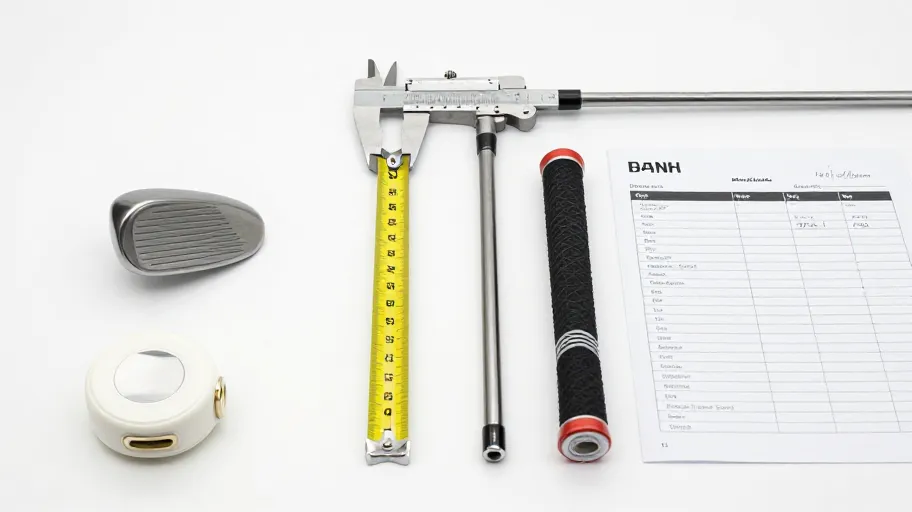
You don’t need a machine shop to build pro-level clubs—just a clear process. Start with assessment: use a launch monitor or fitting session to capture clubhead speed, attack angle, and hand size. Tools like online grip calculators and swing weight simulators turn guesswork into data.
Next, select components with precision. Match shaft flex to tempo using frequency analysis (available at many pro shops), and validate lie angles with a lie board test. Then order from trusted sources like DIY-Golf.com, which offers fit-matched bundles and access to builder forums sharing real-world feedback on pairings.
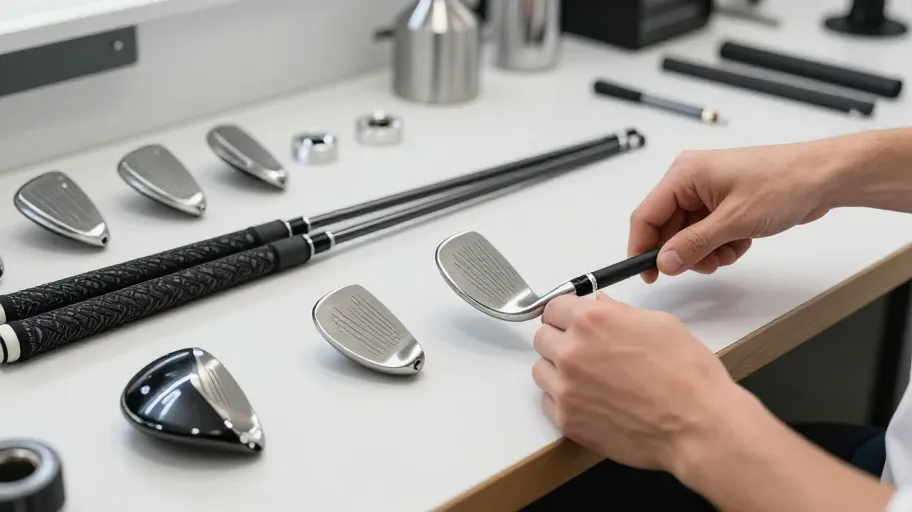
During assembly, follow torque-guided videos to ensure consistency. Finally, test with purpose—track dispersion, strike location, and ball flight. One successful build doesn’t just save money; it builds confidence. Each iteration sharpens your eye, turning first-time assembly into lifelong customization power.
Master Your Swing, DIY Your Fit. DIY Golf is the premier destination for the technical golfer. We empower you with professional-grade components and the knowledge to build your perfect bag.