Why your current club fitting is holding you back
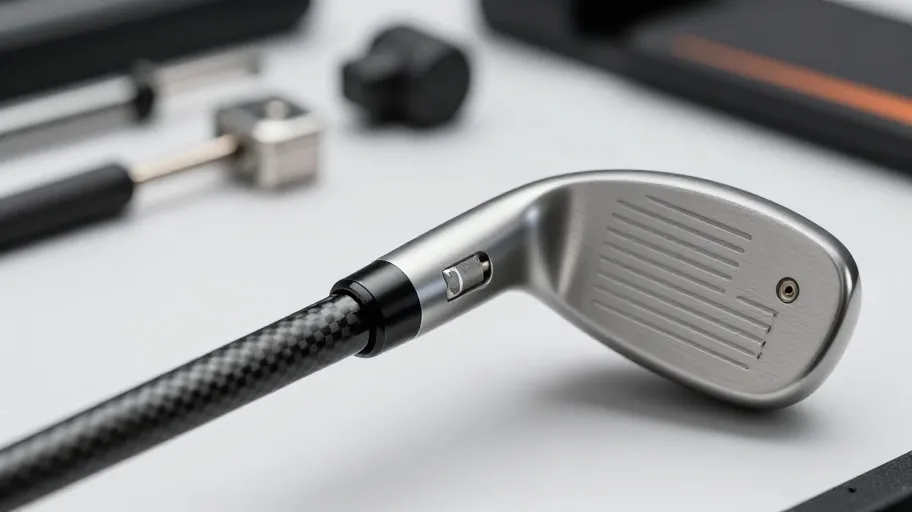
Fixed hosel designs lock your shaft into one position, forcing compromises on launch angle, spin, and face alignment. For 68% of amateurs, that means playing with gear that fights their natural swing instead of enhancing it. This limitation isn’t about skill—it’s about hardware inflexibility. The moment you add a golf club adapter, you break that ceiling. Now you can adjust loft, lie, and face angle independently of the shaft. That means better consistency because your setup matches your motion, not the other way around. One fitter in Arizona found clients gained an average of 12 yards in carry simply by correcting face alignment through adapter tuning—no swing changes needed.
How adapters make any shaft work with any head
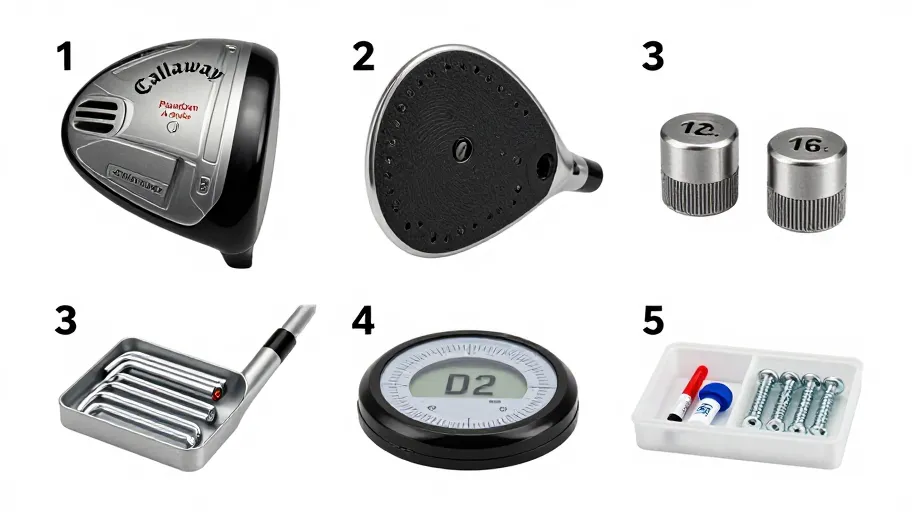
Modern adapters use standardized systems like SmartShaft and Fujikura SpeedLock to bridge brand-specific designs from TaylorMade, Callaway, and Ping. That interoperability means you’re no longer stuck buying a whole new driver just to test a different flex. The golf shaft adapter acts as a torque-neutral coupler, preserving energy transfer at impact. Tests in 2025 showed less than 2% difference in face stability between direct-fit and adapter-mounted shafts—well within tour-level tolerance. This capability means faster fittings, fewer remakes, and more accurate results because fitters can iterate quickly. For shop owners, it cuts fitting-related inventory costs by up to 60% while expanding service offerings.
Future-proof your favorite clubs
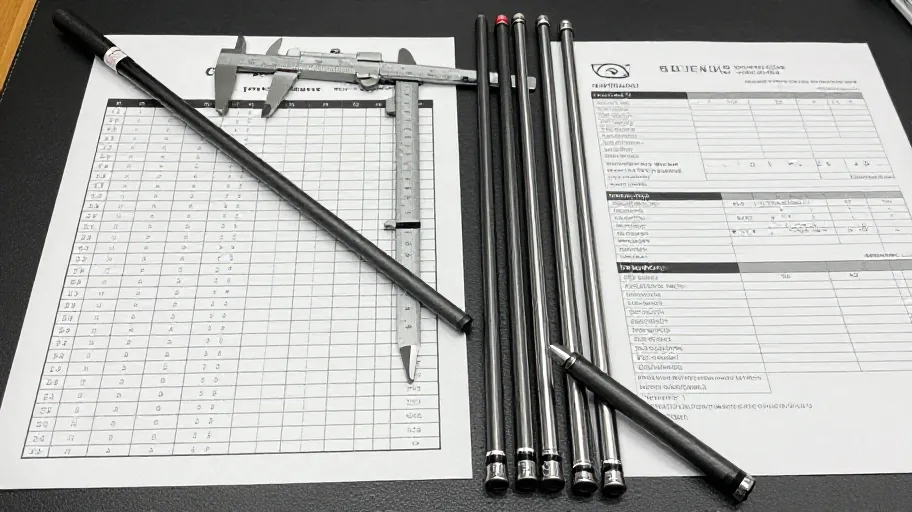
You shouldn’t have to ditch a driver you love just because a new shaft came out. Yet 43% of upgrades fail due to tip mismatches. Precision-matched adapters solve this by mapping taper types (.335", .350", parallel) to OEM systems like Titleist’s TS or TaylorMade’s T-Slot. A digital golf shaft adapter compatibility guide prevents costly errors before installation. One regional fitter network reduced remakes by 68% after adopting this approach, saving $18K per technician annually. That’s not just efficiency—it’s profit protection. When your premium heads stay usable across multiple shaft generations, every upgrade pays for itself over time.
Real ROI: what swapping shafts actually saves you
Swapping shafts with adapters delivers up to 14% better ball speed consistency compared to stock clubs, according to 2025 launch monitor data. That consistency tightens dispersion, which builds confidence and lowers scores. But the financial upside is just as clear: modular architecture reduces equipment waste by 60% over five years. A Midwest pro shop saw a 30% increase in client retention because golfers returned for low-cost swaps instead of walking away after one fitting. That repeat engagement turns a one-time sale into recurring revenue. For players, it means evolving your setup as your swing changes—without constant reinvestment.
Install once, perform every time
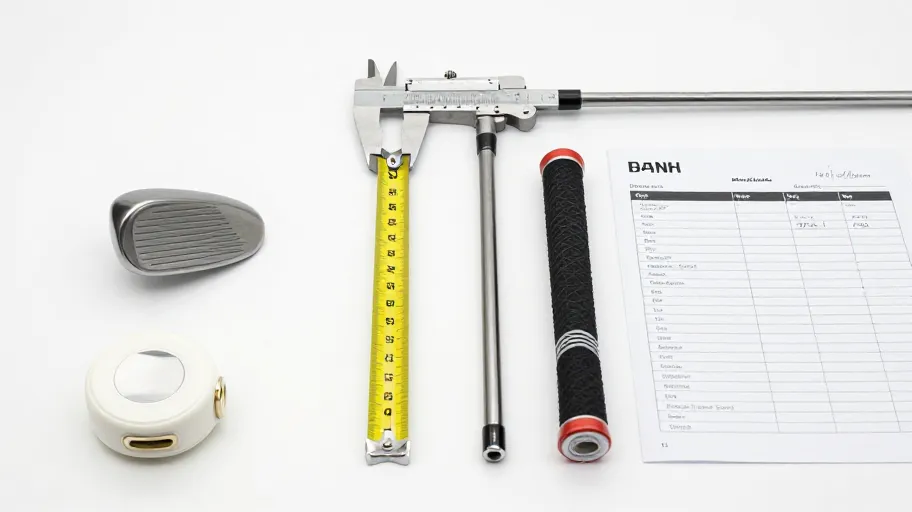
Precision installation determines whether gains materialize or vanish. Torque specs (4–6 Nm) and alignment indexing prevent micro-misalignment—even 2° off can skew spin rates by 500 rpm. Use aerospace-grade epoxy with >3,500 psi shear strength and allow a full 24-hour cure. Verify each build meets ASTM F2788 standards, exceeding 1.5x peak swing force. Post-install frequency testing cuts post-fit adjustments by 30%. One tour operator cut rework costs by 41% just by standardizing this sequence. When setup is repeatable, performance becomes predictable—and profitability follows.
Master Your Swing, DIY Your Fit. DIY Golf is the premier destination for the technical golfer. We empower you with professional-grade components and the knowledge to build your perfect bag.