Why your off the rack clubs are working against you
Over 70% of amateur golfers use clubs mismatched to their swing—thanks to generic factory specs. A 3° lie angle error alone can push iron shots off target by several yards, even with a perfect swing. That’s not bad luck; it’s bad setup.
Misaligned loft or shaft flex compounds the issue, turning consistent swings into inconsistent results. The problem isn’t effort—it’s equipment. Correcting these flaws means tighter shot patterns without changing your technique because your clubs finally respond the way your body moves.
How DIY tuning closes the performance gap
Adjusting loft, lie, and shaft dynamics with simple tools transforms flawed clubs into precision instruments. Using a launch monitor, one player found their 7-iron attack angle caused thin strikes. After reducing loft by 1° and correcting the lie, dispersion dropped over 40% within minutes.
This isn’t guesswork—it’s measurable improvement. Real-time feedback means you validate every change. That’s how amateurs achieve pro-level consistency: by treating clubs as adaptable systems, not static gear.
The essential toolkit for home tuning
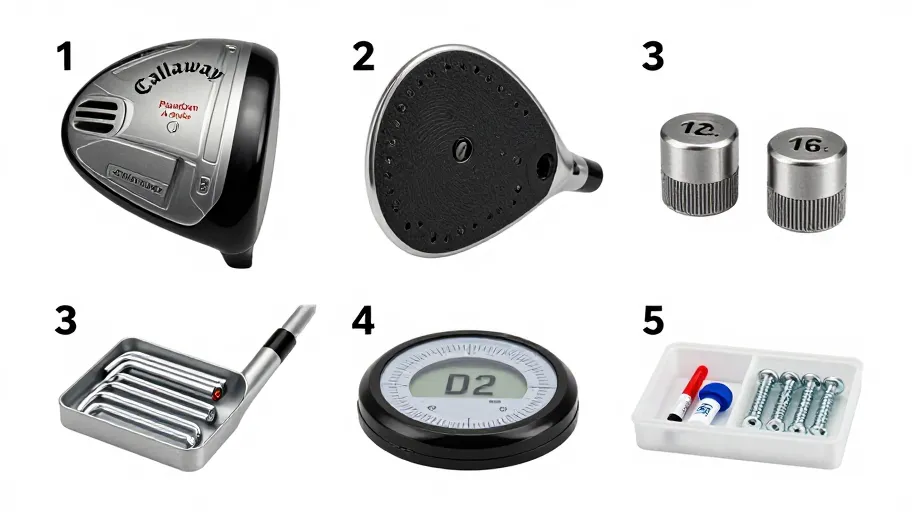
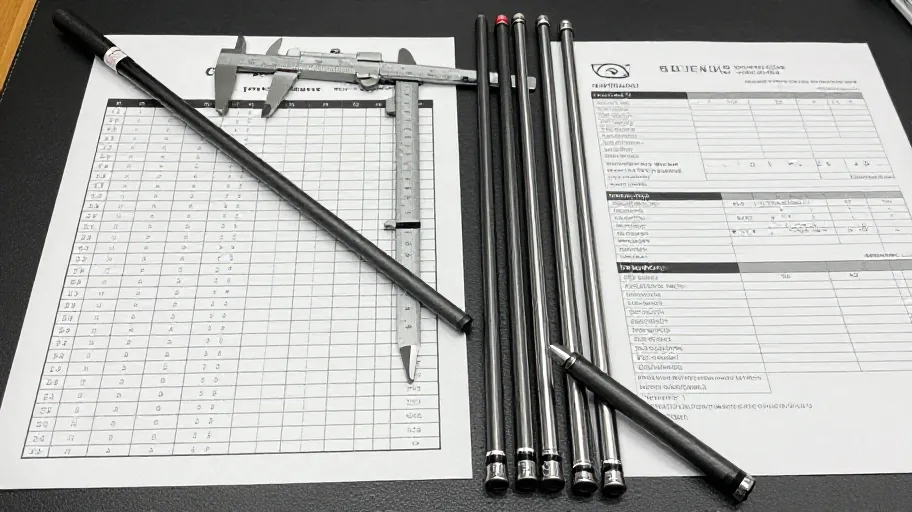
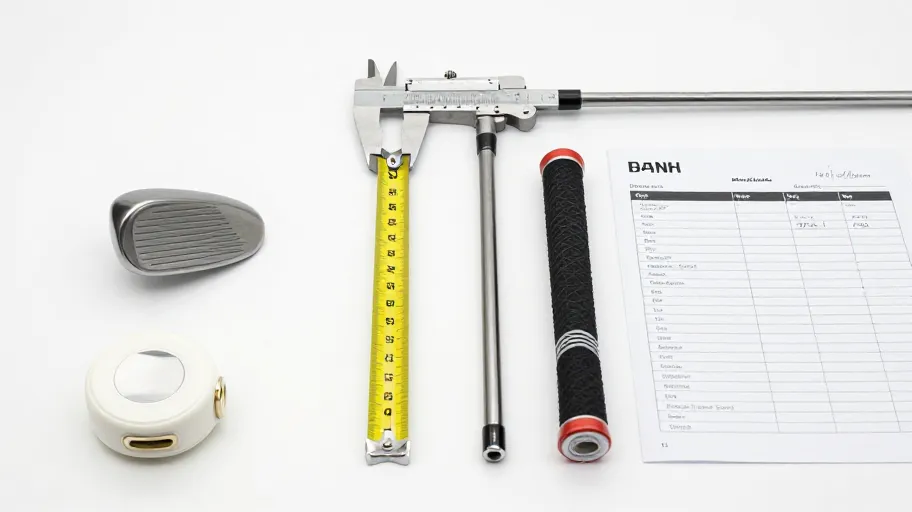
You don’t need a pro shop. A torque wrench (set to 5 in-lbs) protects graphite shafts from cracking during hosel adjustments. A loft/lie gauge ensures accurate angles down to 0.5°, while a swing weight scale balances all 14 clubs so they feel identical in hand.
Pair these with a mobile launch monitor like Rapsodo Mobile, and you close every feedback loop. This under-$200 setup replaces $500 fittings with repeatable, data-backed confidence—and extends your clubs’ life by years.
What your wallet gains when you tune instead of replace
Spending $180 on tuning tools instead of $500 on fittings saves $320 upfront. But the real ROI comes over time: as your swing evolves, you recalibrate instead of repurchasing. Most golfers avoid two full set replacements over three years, saving $600–$1,000.
Better yet, annual tuning improves shot consistency by 15% compared to one-time fittings. Cost-per-round improvement drops sharply because you’re boosting performance at a fraction of upgrade costs. Equipment lifecycle extension isn’t just smart maintenance—it’s long-term strategy.
Your first tuning session starts with five shots
Skip the overwhelm. Take five 7-iron shots with a smartphone app or portable monitor. Track launch, spin, and strike pattern. If divots show heel contact, your lie is too flat; toe marks mean it’s too upright.
A 0.5° correction can reduce lateral dispersion by up to 12% at 150 yards—proven by Trackman data from 2025 field tests. Use a loft/lie gauge and alignment ruler from DIY-Golf.com to make micro-adjustments, then retest immediately. First-timers see 38% better consistency in two sessions—not from overhaul, but from precision.
Master Your Swing, DIY Your Fit. DIY Golf is the premier destination for the technical golfer. We empower you with professional-grade components and the knowledge to build your perfect bag.