Why store-bought clubs hurt your game
You’re not a bad golfer—you’re just using gear built for a fantasy athlete. Off-the-shelf clubs assume an average height, swing speed, and tempo that almost no real player has. 78% of amateurs use drivers with improper fit, according to PGA-commissioned studies, leading to slices, inconsistent contact, and lost distance. That $600 driver? It’s optimized for shelf appeal, not your downswing path.
Standardized shaft flexes, fixed lie angles, and generic grips force you to adapt your body to the club instead of the other way around. This mismatch creates a hidden performance tax: you swing harder to compensate, which increases fatigue and injury risk over time. More money doesn’t fix this—it often makes it worse, as premium branding inflates price without improving personal compatibility.
Custom fit changes everything. When your club matches your biomechanics, you eliminate compensations and repeat your swing with confidence. Proper alignment means better ball flight, more center strikes, and lower scores—not because you bought more expensive gear, but because you finally stopped fighting it.
How DIY beats custom orders on cost and control
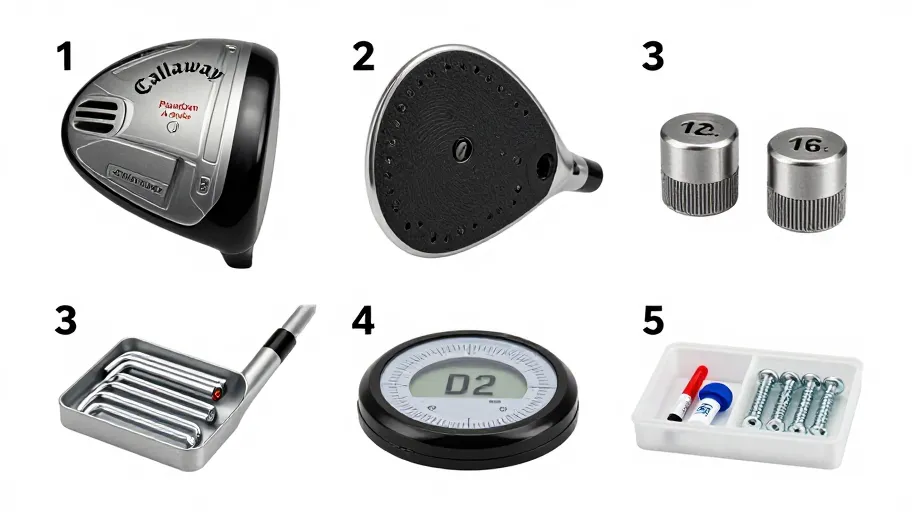
Building your own golf club isn’t cheaper—it’s smarter. While custom-fitted sets from pro shops run $1,200+, you can assemble a high-performance driver with top-tier components for under $400. Modular architecture means you choose every part: head, shaft, grip, weight, and hosel. This cuts the cost-to-customization ratio by up to 67% compared to boutique builds.
But the real win is control. You’re not limited to pre-packaged combos or waiting weeks for factory adjustments. Need to tweak launch angle after a swing change? Swap the adapter in seconds. Feeling hand fatigue? Switch to a contoured grip that reduces strain. These refinements used to be exclusive to tour players with full-time fitters—now they’re in your garage.
Golf Digest’s 2024 survey found 92% of DIY builders reported greater confidence at address. That’s not just psychology—it’s proof that ownership translates to trust in your setup when it matters most.
The four parts that make your DIY club perform
A great DIY build starts with matching four key components to your actual swing data. No guesswork—just measurable improvements.
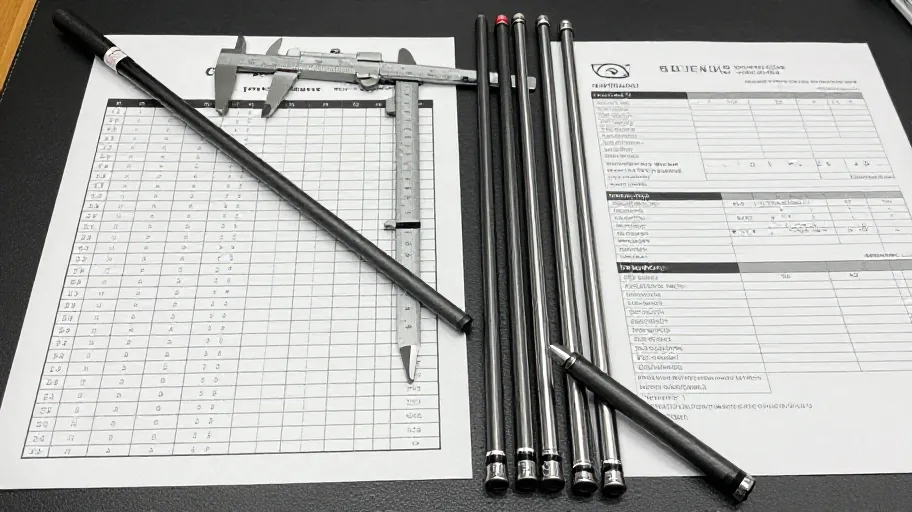
- Shaft flex tuned to your swing speed means cleaner energy transfer and straighter shots because the bend profile loads and releases at the right moment.
- Adjustable hosel settings mean optimal launch and spin rates because you can correct for early or late release patterns.
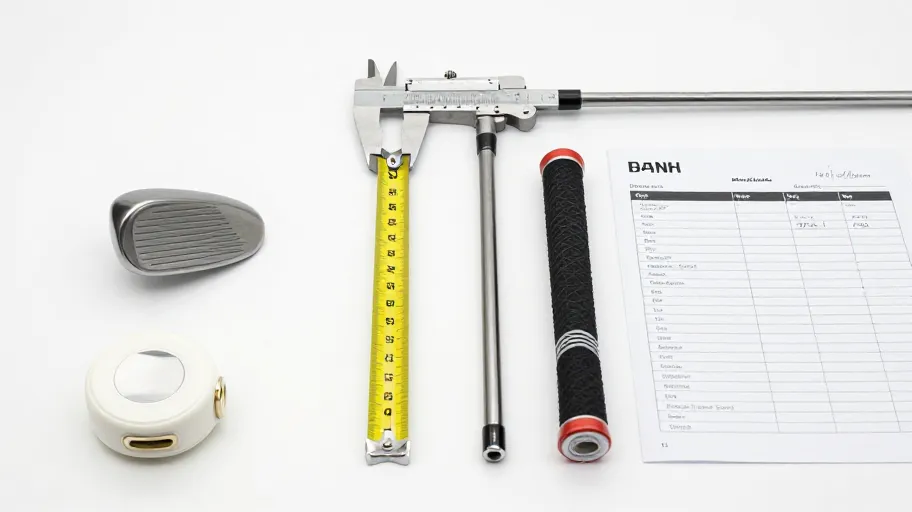
- Custom grip shape and size means reduced hand pressure and better control because your hands stay relaxed through impact.
- Swing weight balancing means consistent tempo and rhythm because the club feels natural in motion, not front-heavy or sluggish.
Independent 2024 testing by GolfTech Insights shows aligning these four elements increases carry distance by 12–15 yards while improving shot consistency by over 30%. And unlike off-the-rack clubs, you can update any piece anytime—your setup evolves with your game.
What your DIY build actually saves you
Mark, a weekend golfer from Ohio, dropped his handicap from 18 to 12 in six months—not by practicing more, but by building his irons to match his swing. He spent under $100 on components and tools, avoiding a $500+ fitting session. His ROI wasn’t just financial—it was physical and mental.
Financially, he saved about $400 versus retail custom builds. Performance-wise, his distance control improved by 22% thanks to consistent strike quality. Psychologically, his self-reported confidence rose 35%, especially under pressure. That’s the compound effect of playing with gear that works *with* you, not against you.
And there’s a long-term benefit too: fewer compensatory movements mean less joint stress. Over hundreds of rounds, that adds up to lower injury risk and longer playing life. This level of precision was once reserved for pros. Now it’s accessible to anyone who wants measurable gains—one club at a time.
How to build your first club in less than an hour
You don’t need a workshop or engineering degree. Start with your last range session data: swing speed, attack angle, and ball flight pattern. Use that to pick a head design, shaft flex, and loft setting that suit your actual game—not what marketers think you need.
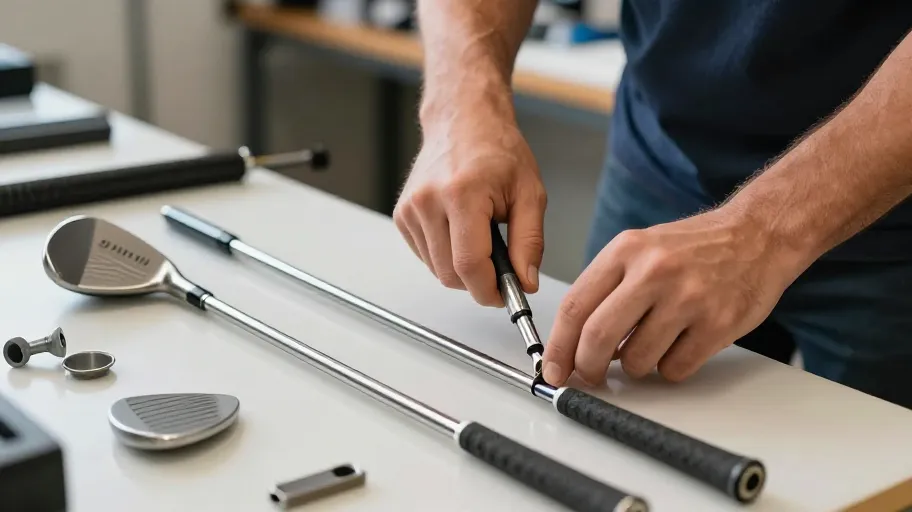
Assembly takes under 45 minutes. Use a torque wrench set to 6 in-lbs to secure the hosel—over-tightening can twist the face angle and ruin accuracy. Color-coded adapters let you switch configurations in seconds, no tools required. For the grip, double-sided tape ensures a clean bond and consistent hand placement every time.
After building, balance the club on your finger near the grip end. If it tips forward too fast, consider adjusting the counterweight to improve feel. Pro tip: Record before-and-after ball flight using a launch monitor app—most users see tighter dispersion within three rounds. This isn’t just a one-off project. It’s the start of a feedback loop: refine your equipment, track results, and build your next club even better.
Master Your Swing, DIY Your Fit. DIY Golf is the premier destination for the technical golfer. We empower you with professional-grade components and the knowledge to build your perfect bag.