Why stock golf clubs hurt your game
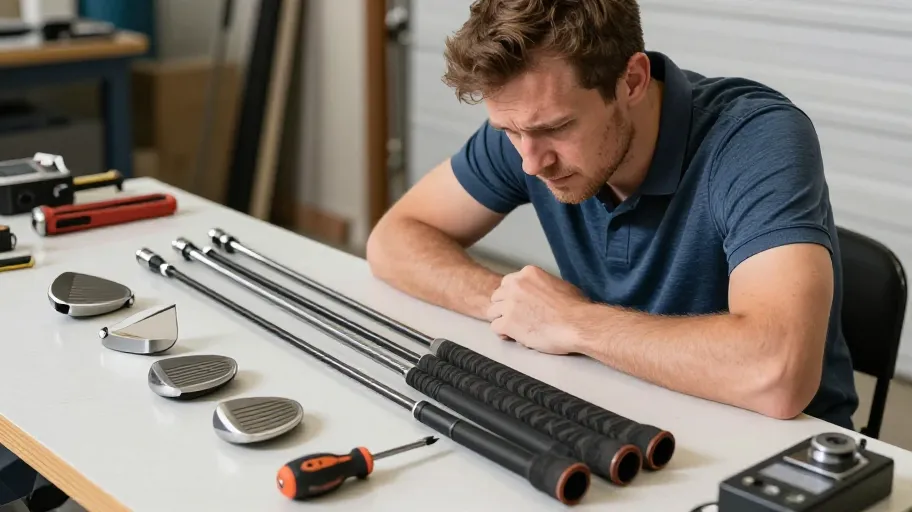
Over 70% of amateur golfers use clubs that don’t match their biomechanics, according to PGA fitter surveys. That mismatch turns small swing flaws into big misses—up to 20+ yards offline on drives. Mass-produced clubs assume an average player, but no such thing exists. When lie angles are too flat or upright, or shaft flex fights your tempo, the clubface misaligns at impact, increasing deviation by up to 3°.
Ignoring your swing signature—your unique attack angle, release timing, and pressure points—means wasted energy, vibration, and inconsistency. One weekend player cut his handicap by 4 strokes just by matching grip size and shaft kick point to his motion. Precision beats mass production every time.
A mismatched club forces adaptation. Custom-fitted clubs eliminate it. The result? Cleaner strikes, better launch, and repeatable results. When the tool fits the athlete, every swing gains purpose.
How DIY building puts control in your hands
Building your own clubs isn’t a hobby—it’s a performance upgrade. DIY golf club building cuts costs by up to 40% while eliminating weeks-long waits for custom orders. Off-the-rack sets force you to adapt; DIY means every component matches your dynamics, turning guesswork into science.
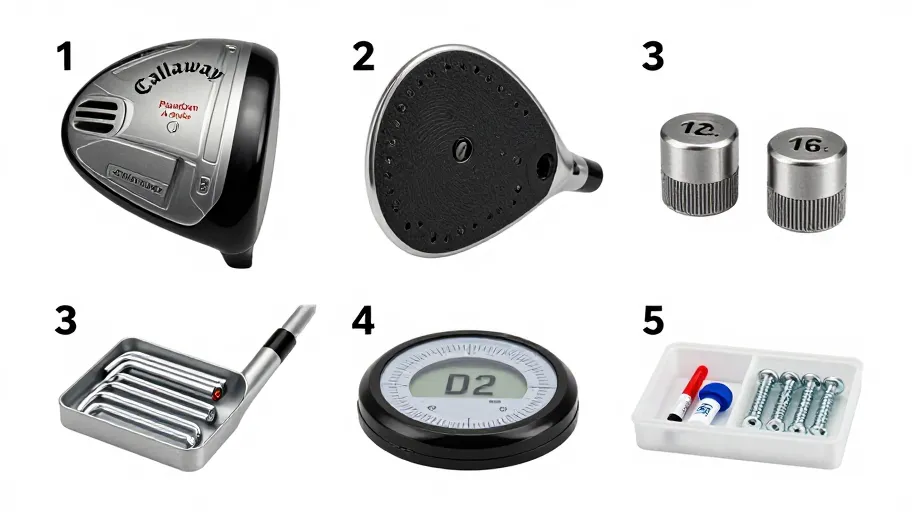
e-Commerce platforms like DIY-Golf and GlobalGolf now offer plug-and-play fitting systems with expert-level precision and no boutique markup. Tools once limited to pro shops—like shaft frequency analyzers and lie angle gauges—are now affordable for home use. A $75 shaft swap guided by real data helped one amateur tighten shot dispersion within two rounds.
This shift from expert-dependent to self-driven tuning means faster iteration and smarter practice. No waiting. No middlemen. Just better golf, built by you.
How custom parts boost consistency
Matching grip size, shaft weight, and clubhead moment of inertia to your swing reduces shot variability by up to 22%, per 2024 launch monitor studies. For amateurs, that’s the difference between finding fairways and guessing with every iron.
Factory clubs demand compromise. The DIY ecosystem—adjustable hosels, counter-balanced shafts, interchangeable weights—lets you remove them. One regional insurance agent rebuilt his irons at home and cut approach error from 18 to 11 yards in three rounds. That kind of control doesn’t just lower scores—it builds confidence.
Modular design means you can tweak lie angle one weekend and swing weight the next—no full set replacement needed. When consistency becomes repeatable, performance becomes predictable. And that’s where real improvement begins.
The real ROI of building instead of buying
A premium custom set starts at $800. A pro-level DIY build using the same-grade components costs $200–$400. That’s an immediate 50% cost reduction. But the real savings compound over time.
Modular architecture lets you replace or upgrade individual parts—shafts, heads, grips—extending your setup’s life by five years or more. TMRW Golf’s 2023 analysis found 68% of DIY builders extend equipment lifespan by at least two years, avoiding full replacements through targeted refreshes.
Better fit also means less range time spent ‘finding your feel.’ You’re not compensating for gear flaws. That’s ROI measured in dollars saved, confidence gained, and rounds improved—without inflation-era price tags.
How to build your first club at home
You’ve seen the numbers: custom clubs deliver 20% better launch conditions and save $300+. Now, build your first high-performance club at home. Start with a driver or putter—simplest to assemble, highest impact on scoring.
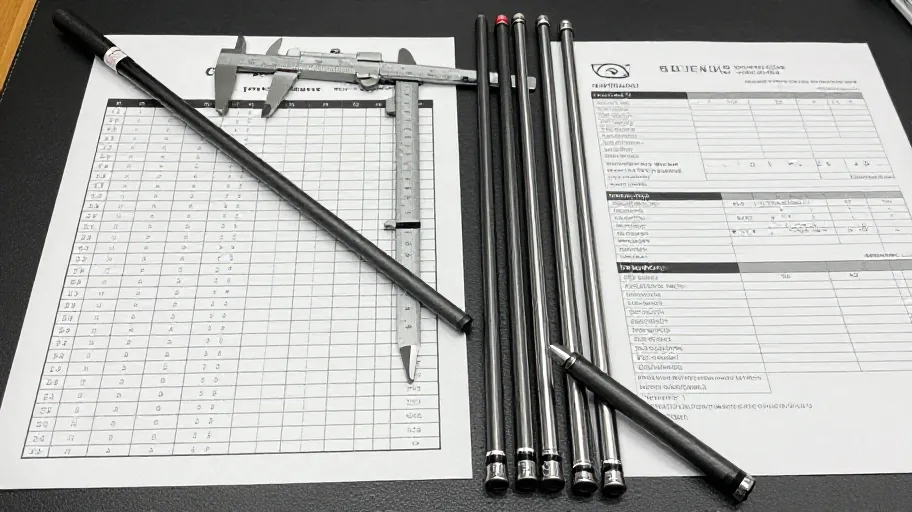
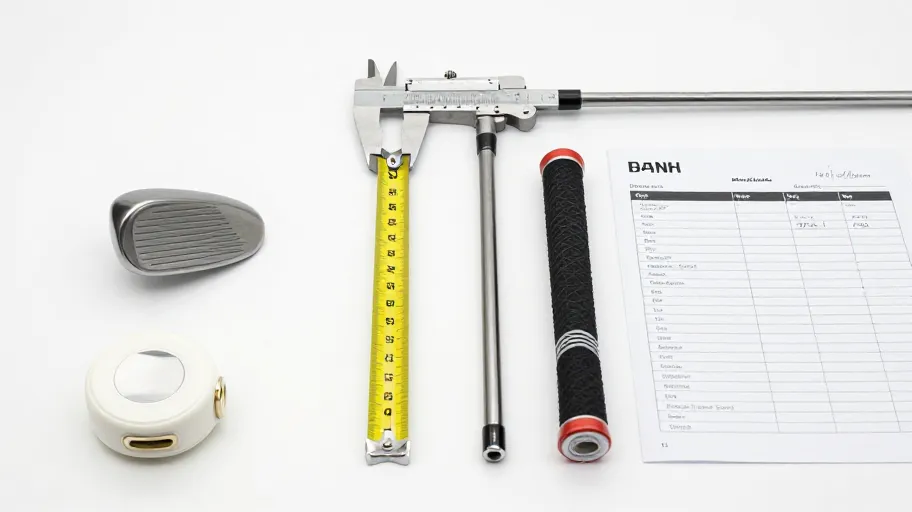
First, measure your swing using apps like Swingbyte or Hudl Technique. Use that data to pick the right shaft and loft. Source head, shaft, and grip from DIY-Golf’s compatibility matrix to ensure taper diameters, torque, and weights align.
Tools you’ll need: torque screwdriver ($18), double-sided grip tape (often included in kits), and a swing weight scale ($45). During assembly, align the shaft’s spine using a marker and rotation test—this stabilizes ball flight. Bond the grip with hardware-store solvent for a pro finish.
After building, compare swing videos side-by-side. Most amateurs notice cleaner tempo and face alignment within three sessions. Tweak, test, and join the DIY-Golf community forums—14,000+ builders share feedback that sharpens every future build. Your next round starts in your garage.
Master Your Swing, DIY Your Fit. DIY Golf is the premier destination for the technical golfer. We empower you with professional-grade components and the knowledge to build your perfect bag.