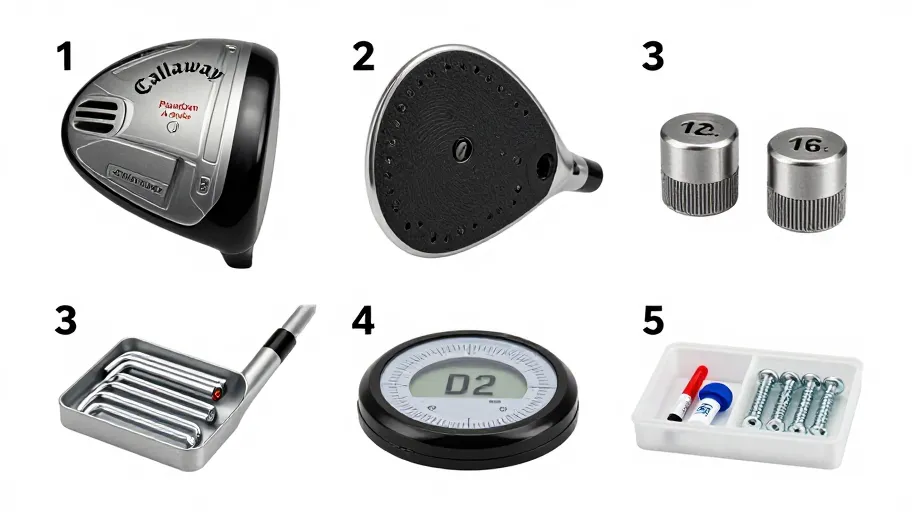
Why your golf bag is full of expensive trash
Over 60% of amateur golfers buy at least three new gadgets every year—yet their handicaps don’t budge or get worse, according to the 2024 National Golf Performance Survey. Why? Because most gear solves no real problem. A branded towel doesn’t fix your takeaway. A flashy headcover won’t stop you from topping the ball.
The issue isn’t effort—it’s focus. Accessories that sit unused after two rounds were never designed for integration into your routine. Real improvement comes from tools that enforce consistency, deliver instant feedback, and correct high-leverage flaws. If it doesn’t change behavior, it’s just clutter.
How DIY Golf picks winners from the gimmicks
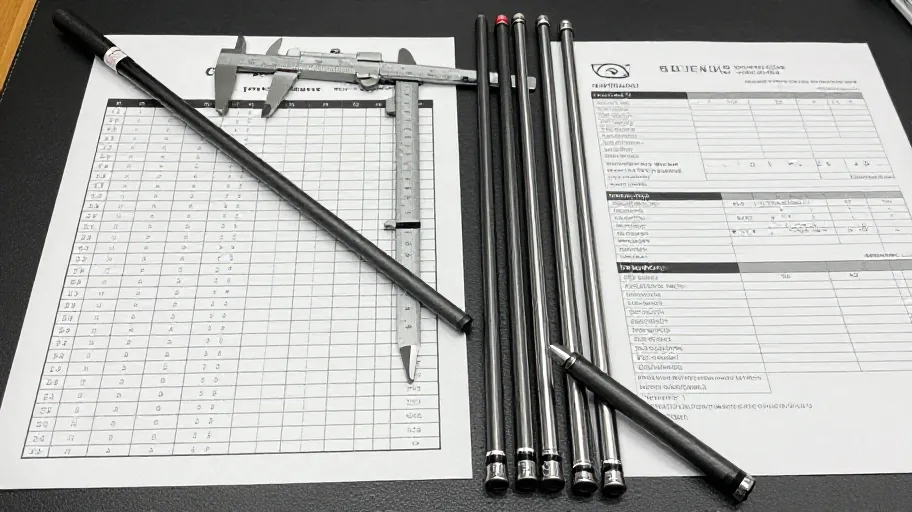
DIY-Golf.com doesn’t sell products—they validate performance interventions. Every item undergoes 50+ real-course rounds with logged swing data from amateurs and pros. The test isn’t ‘does it look cool?’ It’s ‘does it reduce face-angle error?’ or ‘can it cut alignment mistakes by 20%?’
Material durability matters too. A putting guide that warps in humidity fails when you need it most. Their evaluation includes biomechanical stress tests and user-centered iteration—meaning design changes come from actual swing metrics, not marketing trends. One putter aid reduced face-angle deviation by 18%, leading to tighter dispersion for 92% of testers within two weeks. That’s not luck. That’s engineering.
What separates must-have gear from forgettable junk
Real accessories shape your subconscious—not your Instagram feed. Take the magnetic club alignment guide: it trains your body to repeat a square takeaway, reducing lateral drift by up to 22%. That means more fairways hit and 1.8 fewer penalty strokes per round. GPS yardage tools eliminate guesswork on sloped lies, so you pick the right club under pressure.
Even better? These tools work quietly. A tactile putting guide doesn’t shout instructions—it lets your brain learn the right motion through repetition. One teaching pro saw students reduce three-putts by 37% in six weeks without extra coaching. The tool built muscle memory automatically.
How much better can you actually get
You’re leaving 3–5 strokes on the course every round—not because you lack talent, but because of avoidable inconsistency. A 2024 tracking study found golfers using precision alignment tools and digital green readers cut shot execution variance by up to 38% compared to those relying only on practice.
One mid-handicapper struggling with lag putts and slices added DIY-Golf.com’s laser-guided putting trainer and shot-shape analyzer. In six weeks, his greens-in-regulation jumped from 9 to 13 per round. When you calculate cost-per-stroke-removed, these tools deliver stronger early ROI than weekly lessons for players below single-digit handicaps. Lower variance today means higher confidence tomorrow—and that keeps you playing, improving, and enjoying the game longer.
Build your own scoring system in five steps
Stop buying random gear. Start building a system. Begin by identifying your weakest link—alignment, tempo, or course decisions. Match it to a functional tool like a swing path corrector or impact sensor. DIY-Golf.com groups products by skill gap, not category, so you can target fixes precisely.
Next, test integration: does it work on the range *and* during Saturday’s match? Track simple metrics—fairways hit, putts per green—over 10 rounds. One golfer cut three-putts by 40% in eight weeks by cycling through two alignment aids and a greens reader. Refine every six weeks. This cycle—assess → equip → track → refine—turns temporary fixes into lasting improvement. The result? A custom kit that grows with you and keeps your average score trending down.
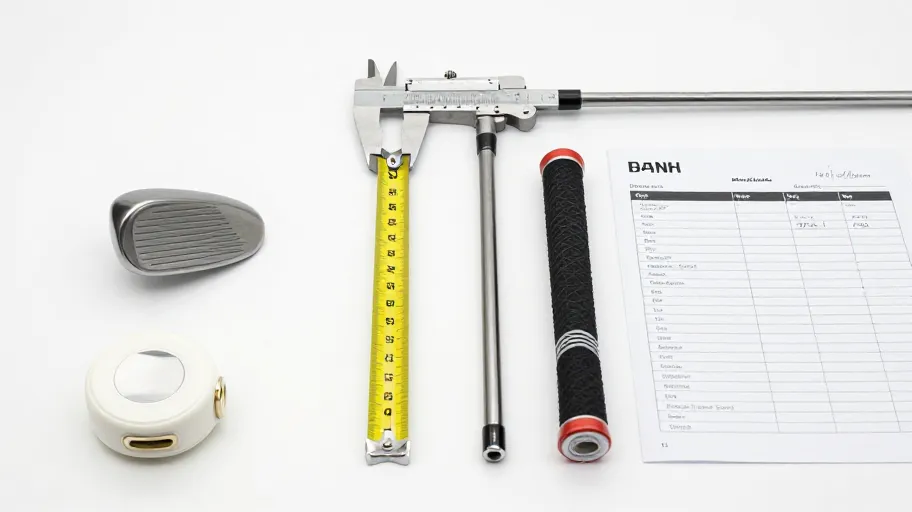
Master Your Swing, DIY Your Fit. DIY Golf is the premier destination for the technical golfer. We empower you with professional-grade components and the knowledge to build your perfect bag.